India shifts from tech follower to leader under Modi: Dr Jitendra Singh
Synopsis
India's science minister says the country has stopped following and started leading — with 400+ space startups, a near-USD 9 billion space economy, and advances in quantum tech, AI and clean energy as proof points. The claim reframes Modi's 12-year record as a structural technology shift, not just a policy headline.
Key Takeaways
Dr Jitendra Singh declared on 31 May that India has transitioned from a technology follower to a technology leader over the past 12 years .
The shift is credited to PM Narendra Modi's policy of placing science and technology at the centre of national governance.
India's space startups have grown from single digits to over 400 following sector liberalisation.
India's space economy is currently valued at nearly USD 9 billion and is projected to grow significantly.
Frontier sectors cited include space, nuclear energy, quantum technology, biotechnology, AI and clean energy .
The technology push is framed as foundational to the Viksit Bharat @2047 centenary vision.
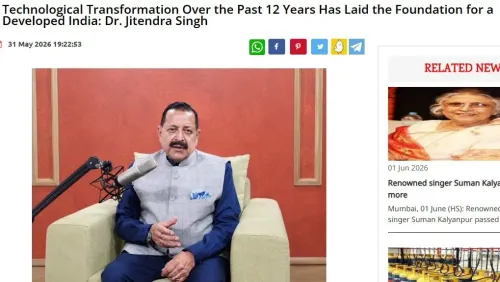
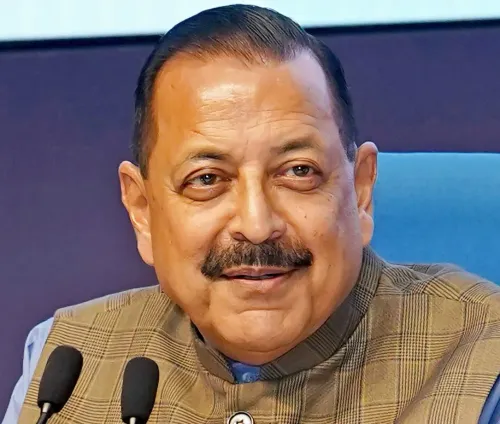
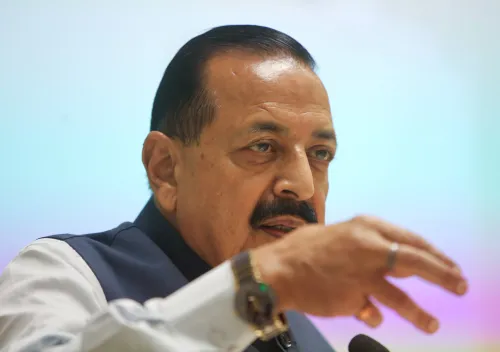
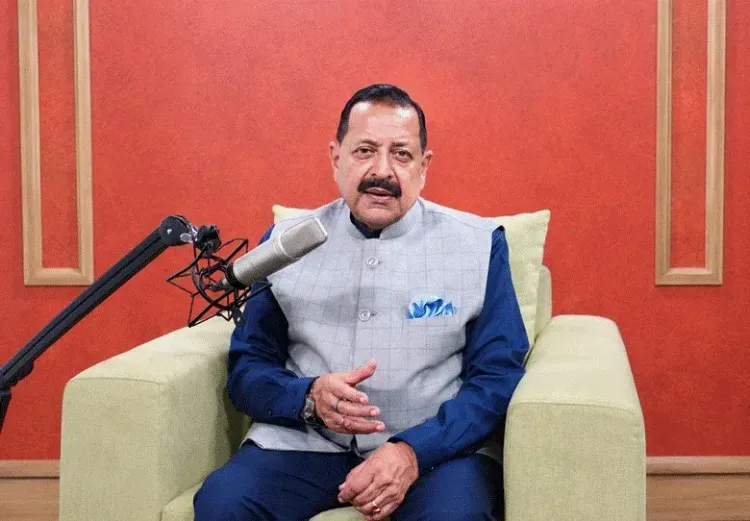
Union Minister of State (Independent Charge) for Science and Technology Dr Jitendra Singh on Sunday, 31 May said that India has completed a fundamental transformation — from a nation that adopted technologies developed elsewhere to one that is now actively shaping the future of global innovation. Speaking during a podcast, the minister attributed this shift to 12 years of science-first policymaking under Prime Minister Narendra Modi, calling it the bedrock of the Viksit Bharat @2047 vision.
From Follower to Frontier
'The last twelve years have witnessed India's transition from a technology follower to a technology leader. The scientific capabilities, innovation ecosystem and technological infrastructure created during this period have laid the foundation for Viksit Bharat @2047,' Dr Singh said.
He acknowledged that for decades India largely entered emerging technological domains years after developed nations. That pattern, he argued, has now reversed. 'Today, India is increasingly participating in the development of frontier technologies at the global level and, in several sectors, is helping shape the future direction of innovation itself,' he added.
Policy Shift Under PM Modi
Dr Singh credited Prime Minister Modi with placing science and technology at the centre of national policymaking, while simultaneously encouraging private-sector participation, innovation-led entrepreneurship and citizen-centric scientific advancement. This policy approach, he said, has enabled India to build a technology ecosystem that supports economic growth, strategic capability and public service delivery at the same time.
Key Sectors Leading the Charge
The minister highlighted major advancements across space, nuclear energy, quantum technology, biotechnology, artificial intelligence and clean energy as evidence of India's frontier-technology credentials. Each of these sectors, he noted, now carries both domestic utility and global strategic weight.
Space Economy: From Single Digits to 400+ Startups
On the space sector specifically, Dr Singh pointed to the liberalisation of private participation as a turning point. The number of space startups has grown from single digits to over 400, and India's space economy — currently valued at nearly USD 9 billion — is projected to expand significantly in the years ahead. This comes amid a broader global race for commercial space dominance, in which India is now considered a credible low-cost launch and services hub.
What This Means for Viksit Bharat
The minister's remarks frame technology leadership not merely as a point of national pride but as a structural prerequisite for India's 2047 centenary goals. Notably, the push spans both hard infrastructure — launch vehicles, reactors, quantum labs — and soft ecosystems such as startup culture and skilling pipelines. Whether the gains translate into sustained GDP impact and export competitiveness will be the real measure of the transition he described.
Point of View
But frontier-technology leadership is measured by patents, export revenues and global standards participation — metrics where India still trails the US, China and the EU by a significant margin. The Viksit Bharat framing also risks conflating aspiration with achievement: quantum and AI programmes are nascent, and private R&D spending as a share of GDP remains well below global innovation leaders. The minister's podcast is a political communication exercise as much as a policy update, and mainstream coverage should hold both truths simultaneously.
NationPress
14 Oct 2026
Frequently Asked Questions
What did Dr Jitendra Singh say about India's technology status?
Dr Jitendra Singh said India has transformed from a technology follower to a technology leader over the past 12 years under PM Narendra Modi. He made the remarks during a podcast on 31 May, linking the shift to consistent science-first policymaking and private-sector participation.
What is the Viksit Bharat @2047 vision and how does technology connect to it?
Viksit Bharat @2047 is India's development goal targeting a fully developed nation status by the country's centenary of independence. According to Dr Singh, the scientific and technological infrastructure built over the last 12 years forms the foundational layer for achieving that vision.
How has India's space sector grown under this technology push?
India's space startup count has risen from single digits to over 400 following the opening of the sector to private participation. The space economy is currently valued at nearly USD 9 billion and is expected to grow substantially in coming years.
Which frontier technology sectors has India advanced in, according to the minister?
Dr Singh highlighted space, nuclear energy, quantum technology, biotechnology, artificial intelligence and clean energy as key sectors where India has registered major advancements and is now contributing to shaping global innovation direction.
What drove this shift from technology follower to leader?
The minister attributed the transformation to PM Modi's policy of centering science and technology in national governance, encouraging private-sector participation, innovation-led entrepreneurship and citizen-centric scientific advancement over a 12-year period.