India pitches for secure, affordable energy at G20 Ministerial in US
Synopsis
At the G20 Energy Abundance Ministerial in the US, India's Power Minister Manohar Lal pushed for affordable baseload energy for developing nations, spotlighted India's 552 GW installed capacity milestone — majority from non-fossil sources — and called for G20-wide cooperation on critical mineral supply chains. It is a clear signal that India aims to shape global energy rules, not just follow them.
Key Takeaways
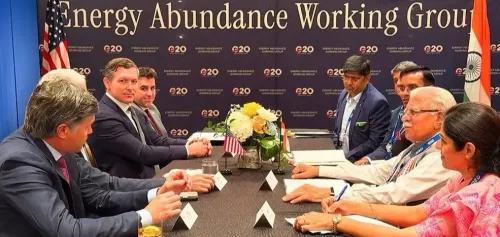
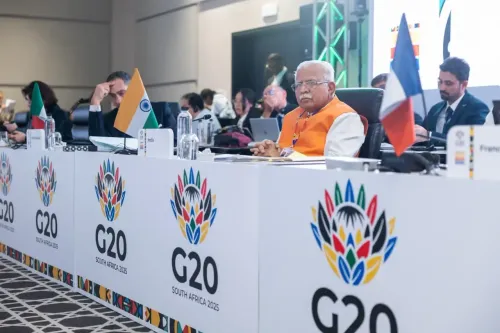
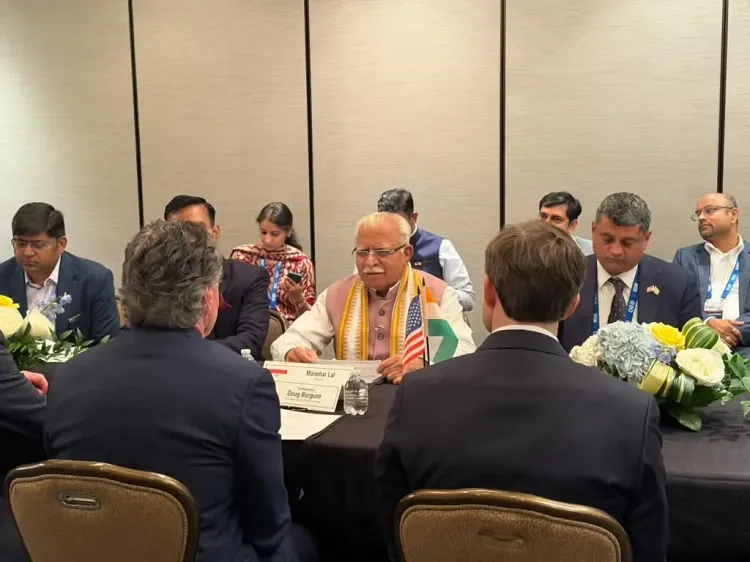
Union Minister Manohar Lal represented India at the G20 Energy Abundance Ministerial Meeting in the United States on 17 September 2026 .
India advocated for secure, affordable and reliable energy with emphasis on the needs of developing economies.
India's installed electricity generation capacity has reached 552 GW , with more than half from non-fossil fuel sources .
The minister highlighted India's National Critical Mineral Mission covering exploration to recycling, calling for G20 cooperation on supply chain diversification.
India reiterated its commitment to Net Zero emissions by 2070 and showcased regulatory tools — National Single Window System , PARIVESH and PM Gati Shakti — to attract energy investment.
The meeting endorsed the voluntary G20 Water Reuse Initiative and advanced outcomes on clean cooking access and regulatory efficiency.
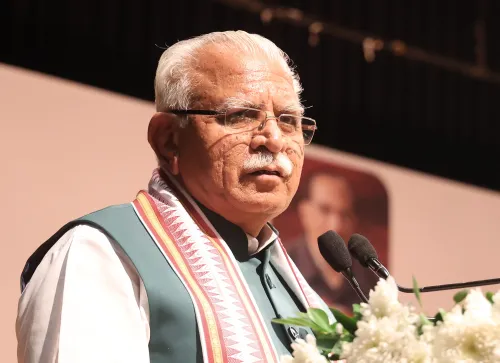
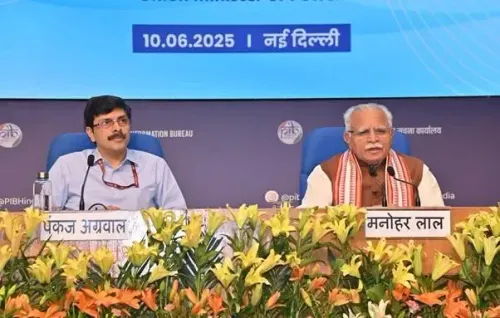
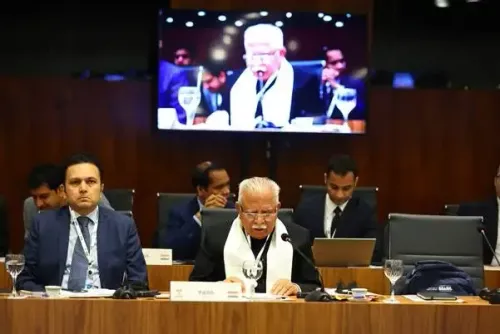
India on Thursday, 17 September 2026 called for secure, affordable and reliable energy to underpin development — especially for emerging economies — at the G20 Energy Abundance Ministerial Meeting held in the United States. The formal push came through Union Minister for Power and Housing & Urban Affairs Manohar Lal, who represented India at the high-table gathering, according to a statement issued by the Ministry of Power.
India's Core Position at the Ministerial
Minister Manohar Lal stressed the need for international cooperation that leverages complementarities among nations to advance collective progress, while respecting diverse national circumstances and varying development priorities. He underscored that India is building a resilient, future-ready energy system — one that is increasingly digital, decentralised and consumer-centric.
He participated in deliberations across three thematic pillars: energy security and affordable baseload power; permitting and regulatory efficiency; and critical minerals alongside resilient supply chains.
Critical Minerals and Supply Chain Resilience
On critical minerals — a subject of growing geopolitical salience — the minister emphasised the urgency of secure, resilient and diversified supply chains, calling for greater circularity and downstream value creation in developing countries. He spotlighted India's National Critical Mineral Mission, which covers the entire value chain from exploration through to recycling, and called for structured G20 cooperation on recycling, recovery and supply diversification.
This comes amid intensifying global competition over minerals essential to clean energy transitions — from lithium and cobalt to rare earths — where China currently dominates processing. India's push at the G20 is consistent with its broader strategy of reducing import dependence while positioning itself as a responsible supplier nation.
India's Energy Capacity and Net Zero Commitment
The Ministry of Power highlighted that India's installed electricity generation capacity has reached 552 GW, with more than half now drawn from non-fossil fuel sources. The minister reiterated India's long-term commitment to achieving Net Zero emissions by 2070.
Notably, crossing the 552 GW threshold — and the majority-clean milestone within it — represents a significant marker in a country that was adding coal capacity at scale less than a decade ago. India's renewable push has accelerated through policy incentives, falling technology costs, and international climate commitments.
Regulatory Reforms and Clean Cooking Access
Lal showcased key regulatory reform tools that India has deployed to improve investment predictability and streamline approvals for energy infrastructure. These included the National Single Window System, PARIVESH, and PM Gati Shakti — platforms designed to cut bureaucratic friction and encourage competition across the energy sector.
The meeting also advanced outcomes on clean cooking access and regulatory efficiency for energy infrastructure development. The G20 Water Reuse Initiative was endorsed as a voluntary, science- and evidence-based framework to promote cost-effective, fit-for-purpose water reuse aligned with national policies — encouraging cooperation and exchange of best practices to strengthen water security and resilience without prescribing a one-size-fits-all approach.
What Comes Next
The ministerial-level outcomes will feed into broader G20 energy track negotiations, with member nations expected to carry forward commitments on critical mineral cooperation and regulatory harmonisation. India's active positioning — on both energy access for the Global South and supply chain sovereignty for critical minerals — signals that New Delhi intends to be a rule-shaper, not merely a rule-taker, in the evolving global energy order.
Point of View
New Delhi positions itself as the voice of developing nations while simultaneously lobbying for critical mineral supply chain reforms that serve its own industrial ambitions. The 552 GW milestone is real, but the more significant test is whether India's regulatory reform showcase — Gati Shakti, single-window systems — actually translates into faster project delivery at scale. On critical minerals, India is playing catch-up with China's decade-long dominance of processing infrastructure; the National Critical Mineral Mission is a necessary start, but G20 diplomatic momentum alone will not close that gap without serious downstream investment.
NationPress
17 Sept 2026
Frequently Asked Questions
What did India advocate for at the G20 Energy Abundance Ministerial Meeting?
India called for secure, affordable and reliable energy to support development, with particular focus on the needs of developing economies. Union Minister Manohar Lal stressed international cooperation, respect for diverse national circumstances, and leveraging complementarities among G20 nations for the common good.
What is India's current installed electricity generation capacity?
India's installed electricity generation capacity has reached 552 GW, with more than half now coming from non-fossil fuel sources. This marks a significant shift in the country's energy mix over the past decade.
What is the National Critical Mineral Mission that India highlighted at the G20?
The National Critical Mineral Mission is an Indian government initiative covering the entire value chain of critical minerals — from exploration and extraction to recycling and recovery. At the G20 meeting, Minister Manohar Lal called for G20-wide cooperation on recycling, recovery and supply chain diversification to reduce dependence on single-source suppliers.
What regulatory reforms did India showcase at the G20 Energy Ministerial?
India highlighted the National Single Window System, PARIVESH and PM Gati Shakti as tools that have improved approval predictability and reduced bureaucratic friction for energy infrastructure projects. These reforms are aimed at encouraging competition and attracting greater private investment across the energy sector.
What is the G20 Water Reuse Initiative endorsed at the meeting?
The G20 Water Reuse Initiative is a voluntary, science- and evidence-based framework to promote cost-effective, fit-for-purpose water reuse in line with national policies. It encourages member nations to exchange best practices and strengthen water security without mandating a uniform approach.