Land records digitisation: DoLR briefs Sri Lankan delegation
Synopsis
India is exporting its land governance playbook. Sri Lankan civil servants were briefed in New Delhi on DILRMP, NAKSHA, and the Bharat Land Stack, a GIS platform that combines registration, zoning, litigation and ownership data into a single digital view of each land parcel.
Key Takeaways
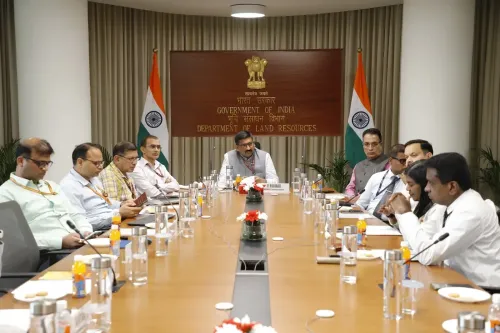
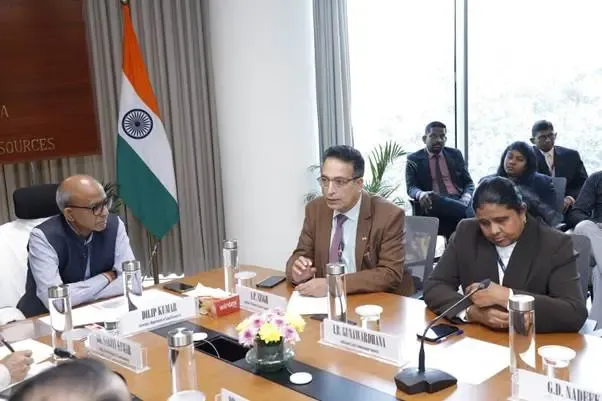
The Department of Land Resources hosted a Sri Lankan civil servants' delegation in New Delhi on 26 November 2026 .
The visit was part of an exposure programme coordinated by the National Centre for Good Governance (NCGG) .
The briefing covered DILRMP , registration computerisation, survey and re-survey, NAKSHA , and the Land Stack initiative.
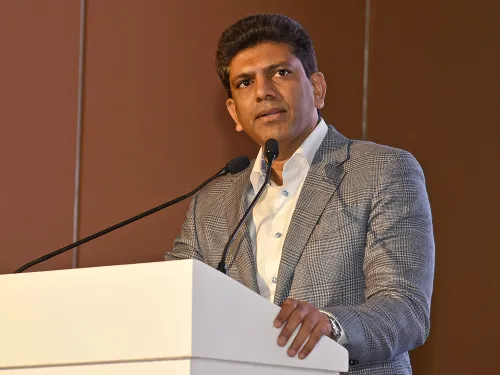
DoLR Secretary Dilip Kumar said digital land records are essential for transparent, efficient and citizen-centric governance.
The Bharat Land Stack integrates land records, geospatial data, registration, zoning, building approvals, and litigation on one GIS-based platform.
Paperless registration and automated mutation send registration details electronically to revenue authorities.
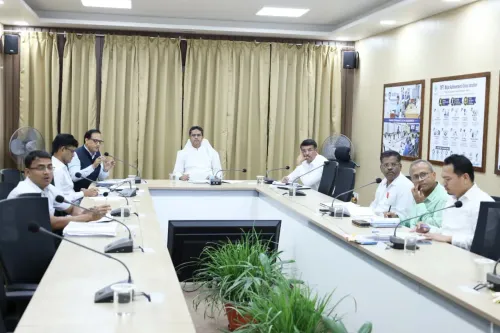
The Department of Land Resources (DoLR) under the Ministry of Rural Development on Thursday, 26 November 2026, hosted a delegation of Sri Lankan civil servants in New Delhi to share India's experience in digitising and modernising land records. The interaction centred on the Digital India Land Records Modernisation Programme (DILRMP), NAKSHA, and the Bharat Land Stack.
According to a statement from the Ministry of Rural Development, the session enabled an exchange of experiences on digital land governance and technology-driven reforms. The ministry said it also highlighted opportunities for closer cooperation and knowledge-sharing between India and Sri Lanka.
Key Areas Covered in the Interaction
The delegation visited India under an exposure programme coordinated by the National Centre for Good Governance (NCGG). Discussions focused on DILRMP, the computerisation of the registration process, survey and re-survey work, and the implementation of NAKSHA and the Land Stack initiative.
Officials also explained how property registration has been integrated with land records through paperless registration and automated mutation. Under this system, registration details are sent electronically to revenue authorities so that land records are updated on time, reducing delays and manual intervention.
What the DoLR Secretary Said
Dilip Kumar, Secretary, Department of Land Resources, outlined India's efforts to strengthen land governance through digital transformation, technology-driven reforms, and integrated land information systems. He gave a brief overview of the department's main initiatives and schemes.
Kumar stressed that digitisation improves transparency and service delivery. He also said it makes land administration more efficient and citizen-centric.
“Digital transformation of land records is essential for transparent, efficient and citizen-centric land governance. Sharing our experiences and learning from one another helps strengthen institutional capacity and advance land administration reforms,” Kumar said.
DILRMP, NAKSHA and Geospatial Progress
Shyam Kumar, Director, Land Resources, presented the key achievements of DILRMP and NAKSHA. He also covered the technological interventions behind them and the progress made in land records modernisation, geospatial mapping, and the integration of land-related databases.
This matters because land records are tied to property transactions, credit access, and dispute resolution. Delays in updating ownership details after a sale have long been a source of litigation and administrative friction. Automated mutation is intended to shorten that gap.
Bharat Land Stack: A Unified View of Land Parcels
The delegation was also briefed on the Bharat Land Stack, an integrated GIS-based platform. It brings together land records, geospatial data, property registration, zoning, building approvals, litigation, and other land-related information. The aim is to give a unified digital view of each land parcel.
Notably, the briefing reflects a wider pattern of India presenting its digital public infrastructure model to partner countries in the neighbourhood. NCGG-led exposure programmes are one of the main channels for this kind of administrative knowledge transfer.
How far Sri Lanka adapts elements of India's land records model will depend on its own institutional priorities. The exchange, however, sets the stage for deeper cooperation between the two countries on digital governance in the months ahead.
Point of View
And land records are a quieter but important part of that effort. The briefing showcased platforms like the Bharat Land Stack, but the harder question is how well these systems work on the ground, where land disputes still clog Indian courts. Integrating litigation data with ownership records is the right goal. India's credibility as a governance exporter will ultimately depend on whether citizens at home see faster mutations and fewer disputes, not on how polished its presentations are.
NationPress
26 Nov 2026
Frequently Asked Questions
Why did a Sri Lankan delegation visit the Department of Land Resources?
Sri Lankan civil servants visited the DoLR in New Delhi on 26 November 2026 to learn about India's experience in digitising and modernising land records. The visit was part of an exposure programme coordinated by the National Centre for Good Governance.
What is the Bharat Land Stack?
The Bharat Land Stack is an integrated GIS-based platform that combines land records, geospatial data, property registration, zoning, building approvals, litigation, and other land-related information. It is designed to give a unified digital view of land parcels.
How does automated mutation help land owners?
Automated mutation links property registration with land records, so registration details are sent electronically to revenue authorities for timely updates. This reduces delays and manual intervention in recording ownership changes.
Who briefed the Sri Lankan delegation?
DoLR Secretary Dilip Kumar outlined India's land governance reforms and key schemes. Shyam Kumar, Director, Land Resources, presented the achievements of DILRMP and NAKSHA and the progress in geospatial mapping.