Gulf crisis: India shielded consumers via timely energy policy, says ex-petroleum official
Synopsis
While a neighbouring country imposed fuel rationing within 24 hours of the Gulf crisis, India held retail prices steady — thanks to a decade of infrastructure investment and round-the-clock tanker diplomacy through the Strait of Hormuz that most consumers never heard about. Former petroleum Joint Secretary Vivek Kumar's account reveals how much happened behind the scenes.
Key Takeaways
Former Joint Secretary Vivek Kumar said India protected consumers from the Gulf crisis through proactive policy, infrastructure, and diplomacy.
A neighbouring country imposed work-from-home orders and fuel rationing within 24 hours of the crisis; India did neither.
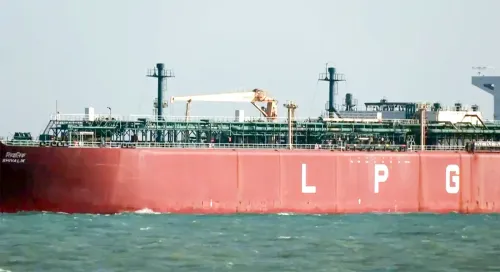
High-level diplomatic engagement reportedly began from February 29 to secure safe passage for Indian oil tankers through the Strait of Hormuz .
Kumar credited a decade of capital investment by the Government of India , the Ministry of Petroleum , and private sector companies for India's energy resilience.
No sharp retail fuel price hike was recorded in India during the crisis period, according to Kumar.
India successfully protected ordinary consumers from the economic fallout of the Gulf crisis through a combination of proactive policy interventions, strategic infrastructure investments, and sustained high-level diplomacy, former Joint Secretary in the Ministry of Petroleum and Natural Gas, Vivek Kumar, said on Tuesday in Kolkata. Kumar stressed that the government's swift response prevented any sharp spike in retail fuel prices, sparing citizens the disruption that consumers in several other nations experienced.
India's Response Stood Apart
Drawing a pointed contrast with a neighbouring country, Kumar noted that within 24 hours of the crisis breaking out, that nation had announced work-from-home directives and imposed quantitative restrictions on petrol and diesel sales at fuel stations. India, he said, took no such steps.
'India did no such thing and I think the government deserves credit for that. The ordinary consumer did not feel the full impact of this massive crisis in the Gulf,' Kumar said.
He attributed this outcome to deliberate policy absorption — the government chose to bear the brunt of supply disruption costs rather than pass them on to end consumers through price hikes or rationing.
A Decade of Infrastructure Investment Paid Off
Kumar underlined that India's ability to weather the crisis was not accidental but the product of sustained capital infusion into the oil and gas sector over the past decade, involving both the Government of India and private sector players.
'Oil and gas is essentially a global game today. No country is self-sufficient — we have exporters, importers, and a lot of give and take across the globe. It is a highly complex game that no country can play alone. Infrastructure plays a huge role in a country's energy security. The investments and capital infusions made by the Government of India and the Ministry of Petroleum over the last decade, along with some private sector companies, have been considerable,' he said.
This infrastructure depth, Kumar argued, gave India the operational resilience to manage supply-chain stress without triggering domestic shortages.
Diplomacy Behind the Scenes
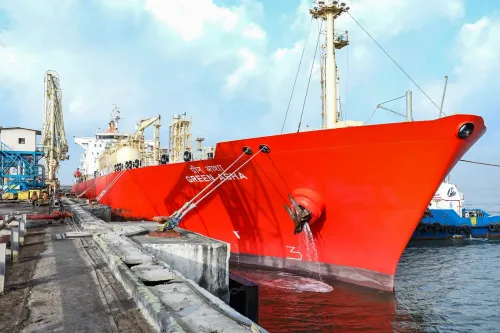
Beyond infrastructure, Kumar revealed that intensive diplomatic engagement had been critical to keeping energy supplies flowing. High-level discussions reportedly began as early as February 29, with officials working around the clock to secure safe passage for Indian oil tankers through the Strait of Hormuz — one of the world's most strategically sensitive maritime chokepoints — even during the most volatile phase of the conflict.
This behind-the-scenes effort, largely invisible to the public, ensured that supply lines remained intact and that India's import-dependent energy ecosystem did not face a crippling shortfall.
Energy Security in a Globalised Market
Kumar's remarks reflect a broader reality: in today's interconnected energy markets, no country can insulate itself through domestic production alone. India imports a significant share of its crude oil requirements, making diplomatic agility and infrastructure readiness as important as reserves. This comes amid growing global debate on energy transition and supply-chain diversification, with the Gulf crisis serving as a stress test for import-dependent economies worldwide.
As geopolitical risks around key energy corridors remain elevated, India's response during this episode is likely to inform future policy on strategic petroleum reserves, tanker diplomacy, and bilateral energy agreements.
Point of View
Public sector oil companies, or consumers through a slower pass-through? The Strait of Hormuz diplomacy, if as intensive as described, also deserves scrutiny: what concessions, if any, were made to secure tanker passage? And with the Gulf remaining a structural risk for an oil-import-dependent economy, one crisis managed well is not a permanent solution — India's strategic petroleum reserve capacity and supply diversification record remain works in progress.
NationPress
30 Jun 2026
Frequently Asked Questions
How did India protect consumers during the Gulf crisis?
India used a combination of policy interventions, strategic infrastructure, and diplomatic efforts to prevent supply shortages and avoid retail fuel price spikes, according to former petroleum Joint Secretary Vivek Kumar. The government chose to absorb the impact of supply disruption rather than pass costs to consumers through rationing or price hikes.
What did the neighbouring country do differently during the Gulf crisis?
According to Vivek Kumar, an unnamed neighbouring country announced work-from-home measures and imposed quantitative restrictions on petrol and diesel sales at fuel stations within 24 hours of the crisis. India took no such steps.
What role did diplomacy play in India's energy security during the Gulf crisis?
High-level diplomatic discussions reportedly began from February 29, with officials working continuously to ensure Indian oil tankers received safe passage through the Strait of Hormuz during the conflict. Kumar described this as a critical, largely behind-the-scenes effort.
Why is infrastructure important to India's energy security?
Kumar argued that because oil and gas is a globally interconnected market where no country is self-sufficient, domestic infrastructure determines how well a country can manage supply disruptions. Substantial investments by the Government of India, the Ministry of Petroleum, and private sector companies over the past decade gave India the resilience to handle the Gulf crisis without domestic shortages.
Who is Vivek Kumar and why does his assessment matter?
Vivek Kumar is a former Joint Secretary in India's Ministry of Petroleum and Natural Gas, making him a senior official with direct insight into energy policy and crisis management. His assessment carries weight as an authoritative insider account of how India navigated the Gulf crisis.