India to build indigenous civil aircraft in 2 years, says Aviation Minister Naidu
Synopsis
India's Civil Aviation Minister has set a two-year deadline to develop the country's first indigenously designed civil aircraft — a goal that goes well beyond manufacturing to include aircraft design. Paired with a ₹28,840 crore airport expansion plan and a push into eVTOLs, it signals one of the most ambitious aviation policy bets India has made in recent memory.
Key Takeaways
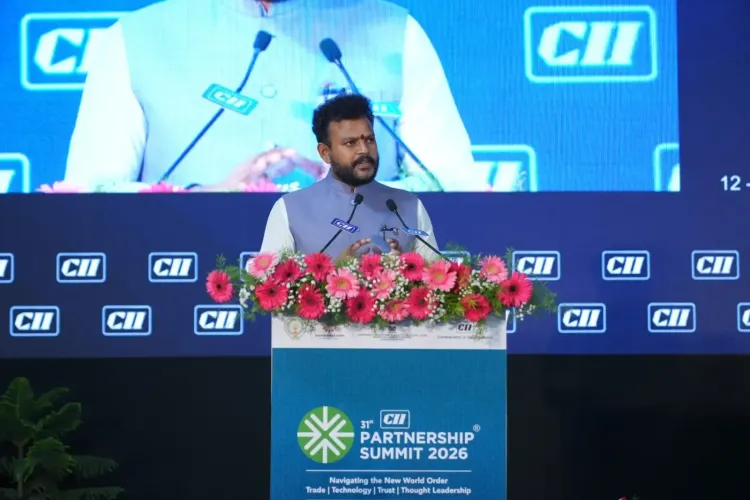
Civil Aviation Minister Ram Mohan Naidu announced India's goal to develop indigenous civil aircraft within two years , speaking at the CII Partnership Summit in Visakhapatnam on 12 November 2026 .
India aims to develop domestic aircraft design capabilities, not just manufacturing.
The Modified UDAN scheme , approved by the Union Cabinet in March 2026 , earmarks ₹28,840 crore for FY27–FY36 to build 100 airports and 200 helipads .
The government is exploring eVTOL aircraft for urban and regional air mobility.
Naidu also stressed strengthening India's air cargo network and deepening ties with Global South nations in Africa and South America.
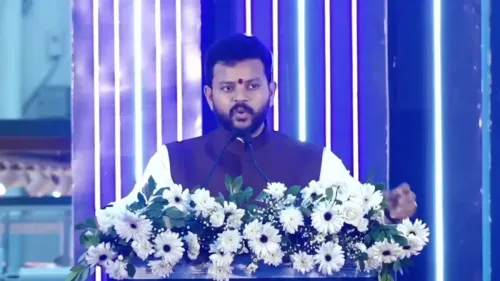
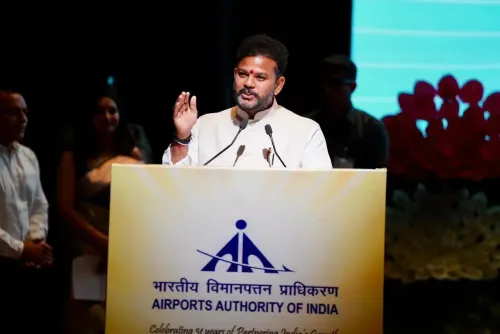
Union Civil Aviation Minister Ram Mohan Naidu on Thursday, 12 November 2026, announced that India aims to develop its own civil aviation aircraft within the next two years, signalling an ambitious push to deepen domestic aerospace manufacturing capabilities and reduce the country's reliance on foreign aircraft makers. The minister made the announcement at the CII Partnership Summit in Visakhapatnam.
Beyond Manufacturing: India Eyes Aircraft Design
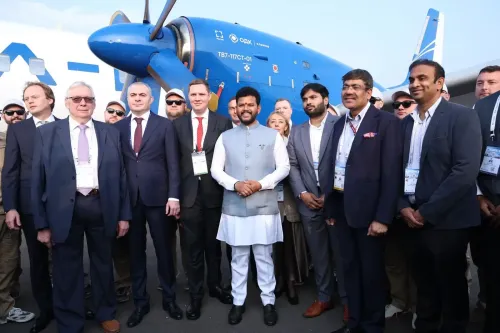
Naidu stressed that India's aerospace ambitions go beyond assembling or manufacturing aircraft — the government wants the country to develop indigenous aircraft design capabilities as well. 'We don't want to just get into manufacturing but designing them as well,' he said. The minister positioned indigenous aircraft development as a cornerstone of India's strategy to carve out a larger role in the global aerospace value chain.
Modified UDAN Scheme: 100 Airports Over a Decade
Naidu also reiterated the government's plan to develop 100 airports over the next decade under the Modified UDAN scheme, approved by the Union Cabinet in March 2026. The scheme envisages a total outlay of ₹28,840 crore spanning FY27 to FY36. The airport expansion programme will prioritise existing unserved airstrips and also includes the construction of 200 modern helipads in remote and difficult terrain, aiming to improve air connectivity for smaller cities and underserved regions.
eVTOLs and Air Cargo on the Horizon
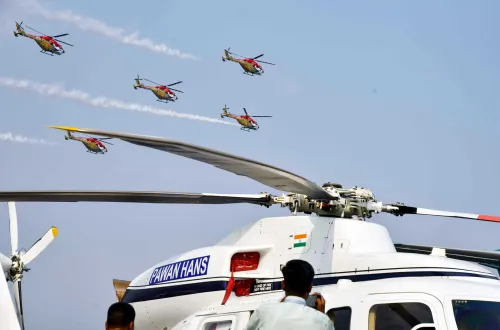
The minister said the government is actively exploring the potential of electric vertical take-off and landing (eVTOL) aircraft, which are expected to play a growing role in urban and regional air mobility. He also emphasised the need for better utilisation of India's air cargo network to facilitate trade and broader economic activity.
India's Global Positioning: Trust, Trade and Technology
Naidu used the summit platform to articulate India's approach to international partnerships, arguing that sustainable global ties require more than trade and technology. 'Trade alone and technology alone is not enough. What a country needs is trust,' he said. He highlighted India's growing economic weight and its young population as assets in shaping the emerging global order, and noted that India is actively strengthening ties with nations of the Global South, including those in Africa and South America.
The minister's remarks reflect a broader policy direction under which India is seeking to simultaneously expand domestic aviation infrastructure and establish itself as a credible player in aerospace design and manufacturing — two goals that have historically been treated as separate tracks.
Point of View
As the history of the HTT-40 trainer programme illustrates. The pivot from manufacturing to design is the right strategic instinct, but design capability requires sustained R&D investment, certified testing infrastructure, and global supply-chain integration that cannot be conjured quickly. The ₹28,840 crore UDAN airport expansion is on firmer ground, with Cabinet approval already in place. The bigger question is whether a credible civil aviation industrial policy follows Naidu's remarks, or whether the two-year aircraft promise remains a conference-stage aspiration.
NationPress
12 Nov 2026
Frequently Asked Questions
What did India's Civil Aviation Minister announce at the CII Partnership Summit?
Union Civil Aviation Minister Ram Mohan Naidu announced on 12 November 2026 that India aims to develop its own civil aviation aircraft within two years, with ambitions extending to indigenous aircraft design, not just manufacturing. He also outlined plans for 100 new airports under the Modified UDAN scheme and the government's interest in eVTOL aircraft.
What is the Modified UDAN scheme and how much funding does it carry?
The Modified UDAN scheme, approved by the Union Cabinet in March 2026, is a ten-year programme to expand air connectivity across India. It carries a total outlay of ₹28,840 crore spanning FY27 to FY36, with plans to develop 100 airports and build 200 modern helipads in remote and difficult terrain.
What are eVTOLs and why is India interested in them?
eVTOLs — electric vertical take-off and landing aircraft — are compact, electrically powered aircraft designed for short-range urban and regional travel. The Indian government is exploring their role in improving air mobility in cities and regions where conventional airports are not feasible.
Why does India want to develop its own civil aircraft?
India seeks to reduce its dependence on foreign aircraft manufacturers and to establish a stronger position in the global aerospace value chain. The government wants the country to develop design capabilities alongside manufacturing, which would add higher-value jobs and strategic self-reliance to the aviation sector.
What was the broader message Naidu delivered at the summit?
Beyond aviation specifics, Naidu argued that sustainable international partnerships require trust alongside trade and technology. He highlighted India's growing role in the global order through its young population and economic heft, and noted India's efforts to deepen ties with Global South nations in Africa and South America.