India on alert over West Asia tensions, aviation sector readies contingency plans

Synopsis
India's civil aviation minister has put the sector on a contingency footing over West Asia tensions, while simultaneously announcing a ₹29,000 crore UDAN revamp targeting 100 new airports and 200 helipads. The dual signal — vigilance abroad, expansion at home — defines the Centre's current aviation posture.
Key Takeaways
Civil Aviation Minister Kinjarapu Rammohan Naidu said India must stay vigilant over West Asia tensions but described the current situation as 'not worrisome at present.' The aviation sector is preparing short, medium, and long-term contingency strategies in response to the evolving geopolitical situation.
ATF prices and airport landing and parking charges have been reduced; Delhi cut ATF VAT from 25% to 7% to stabilise airfares.
The revised UDAN Scheme will be rolled out with an estimated allocation of ₹29,000 crore , targeting 100 new airports and 200 helipads over the next decade.
India's operational airports have grown from 74 in 2014 to 165 today; nearly five lakh passengers travel on domestic routes daily.
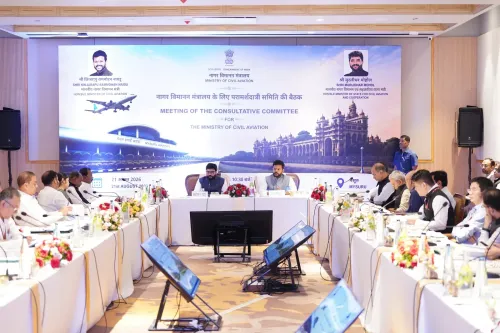
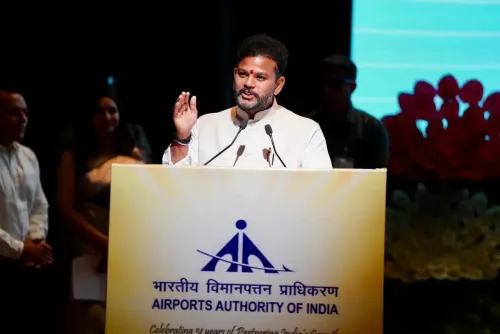
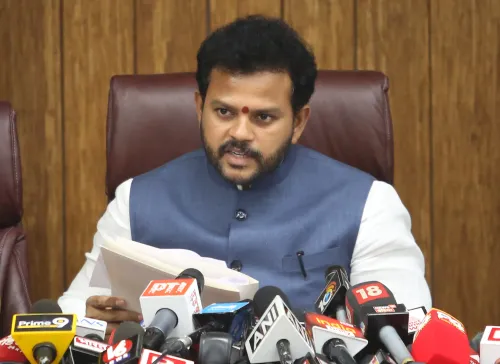
Union Civil Aviation Minister Kinjarapu Rammohan Naidu on Wednesday, 20 May said India must remain vigilant as the geopolitical situation in West Asia continues to deteriorate, even as he maintained that current developments are 'not worrisome for India at present.' The minister made the remarks during his first official visit to Ranchi, speaking to reporters on the sidelines of events at Birsa Munda Airport.
Aviation Sector on Alert
Naidu confirmed that the government and key industries, including civil aviation, are closely tracking the evolving situation and drawing up contingency strategies. 'The situation is not worrisome at present, but we need to remain alert. Every sector, including civil aviation, has to assess the impact and prepare short-term, medium-term and long-term strategies,' he said.
This comes amid broader concerns across South and Southeast Asia about supply chain disruptions, fuel price volatility, and potential airspace restrictions linked to the ongoing West Asia conflict. India's aviation sector, which handles nearly five lakh domestic passengers daily, is particularly exposed to fuel cost fluctuations.
Steps Taken to Stabilise Airfares
Addressing passenger concerns over rising ticket prices, the minister said the Centre has already moved to cushion the impact. Aviation turbine fuel (ATF) prices have been reduced, alongside cuts to airport landing and parking charges, to support airline operations and keep fares stable.
Naidu also highlighted the Delhi Government's recent decision to slash value-added tax on ATF from 25 per cent to 7 per cent — a move he described as a meaningful step toward fare relief. 'We are continuously monitoring airfares. If demand rises, we will increase connectivity and deploy more aircraft,' he said.
UDAN Scheme Revamp and Airport Expansion
During the Ranchi visit, Naidu launched several passenger-centric initiatives at Birsa Munda Airport and announced that a revised version of the regional connectivity scheme — the UDAN Scheme — will be rolled out shortly with an estimated outlay of approximately ₹29,000 crore.
The revamped scheme targets the development of 100 new airports and 200 helipads over the next decade, with a focus on connecting underserved regions. The government also plans to scale up the 'Udan Yatri Cafe' initiative across airports to provide affordable food options for travellers.
India's Aviation Growth in a Decade
Naidu highlighted the sector's rapid expansion under the current government, noting that airports, passenger numbers, and aircraft have all roughly doubled in the past 10 years. The country's operational airports have grown from 74 in 2014 to 165 today — a pace he described as unmatched globally. 'No other country saw such a boost in airports. This could be possible only through the PM's 'Hawai Chappal to Hawai Jahaj travel' mantra,' he said.
What Comes Next
With West Asia tensions showing no signs of immediate resolution, the aviation ministry's short-to-medium-term focus will be on fuel cost management, fare monitoring, and ensuring route continuity. The formal rollout of the revised UDAN Scheme and the airport expansion roadmap are expected to be announced in the coming weeks, with the sector watching closely for any escalation that could force airspace rerouting or further fuel price spikes.
Point of View
And the Centre's relief measures, while real, are reactive rather than systemic. The ₹29,000 crore UDAN revamp is the bigger long-term signal, but the gap between airport targets and actual operationalisation has historically been wide. Whether the 100-airport goal avoids the fate of earlier connectivity promises depends on execution timelines that have not yet been made public.
NationPress
22 Sept 2026
Frequently Asked Questions
What did Civil Aviation Minister Rammohan Naidu say about West Asia tensions?
Minister Naidu said India needs to remain vigilant as the geopolitical situation in West Asia worsens, though he maintained that current developments are 'not worrisome for India at present.' He confirmed the aviation sector is preparing short, medium, and long-term contingency strategies.
What steps has the government taken to control airfares?
The Centre has reduced aviation turbine fuel prices and cut airport landing and parking charges to support airlines. The Delhi Government also slashed ATF value-added tax from 25 per cent to 7 per cent, which is expected to ease cost pressure on airlines and help stabilise passenger fares.
What is the revised UDAN Scheme and how much will it cost?
The revised UDAN Scheme is a regional connectivity initiative being relaunched with an estimated outlay of approximately ₹29,000 crore. It aims to develop 100 new airports and 200 helipads across India over the next decade, with a focus on connecting underserved regions.
How has India's aviation sector grown in the last decade?
India's operational airports have grown from 74 in 2014 to 165 today, with passenger numbers and aircraft also roughly doubling over the same period. The minister said no other country matched this pace of airport expansion.
Who is affected by the West Asia tension contingency plans?
Primarily domestic and international air travellers, airlines operating West Asia routes, and the broader civil aviation sector. With nearly five lakh passengers flying on domestic routes daily, any fuel price spike or airspace disruption linked to the conflict would have a direct impact on fares and connectivity.