India 2nd-largest fish producer, holds 8% of global output
Synopsis
India holds 8% of global fish output and ranks second worldwide in aquaculture — yet that headline figure masks a sector still grappling with structural gaps. With ₹39,272 crore invested since 2015 and a fresh ₹6,000 crore sub-scheme running through FY 2026-27, the government is betting on digital traceability and institutional reform to convert global rank into durable export dominance.
Key Takeaways
India is the world's second-largest fish producer , contributing 8 per cent of global output as of August 2025 .
The country ranks second in aquaculture production and leads globally in shrimp production and export .
Cumulative government investment since 2015 stands at ₹39,272 crore across four key schemes.
The sector supports approximately 3 crore fishers and fish farmers across India.
PM-MKSSY , approved on 8 February 2024 , carries a ₹6,000 crore outlay covering FY 2023-24 to FY 2026-27 .
The scheme is being implemented in all states and Union Territories with a focus on institutional reform and technological intervention.
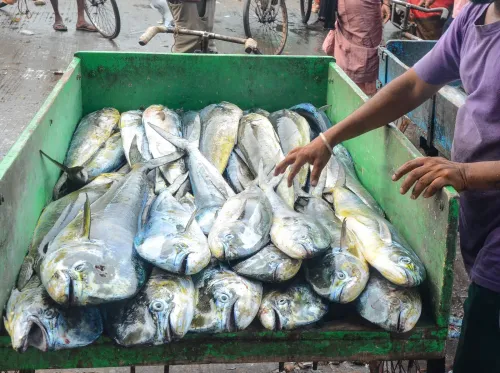
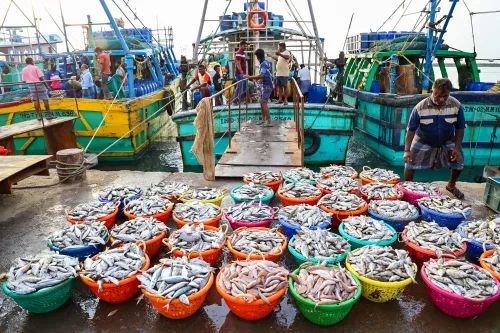
India is the world's second-largest fish producer, accounting for 8 per cent of global output, the Ministry of Fisheries, Animal Husbandry & Dairying said on Monday, 17 August 2025. The country also ranks second in aquaculture production, leads globally in shrimp production and export, and figures among the largest contributors to capture fisheries worldwide.
Decade of Investment in the Sector
Since 2015, the government has channelled a cumulative ₹39,272 crore into the fisheries sector through a series of flagship programmes. These include the Blue Revolution Scheme, the Fisheries and Aquaculture Infrastructure Development Fund (FIDF), the Pradhan Mantri Matsya Sampada Yojana (PMMSY), and its sub-scheme, the Pradhan Mantri Matsya Kisan Samridhi Sah-Yojana (PMMKSSY). The combined push is aimed at driving sustainable and long-term growth across the value chain.
Livelihoods and the Blue Economy
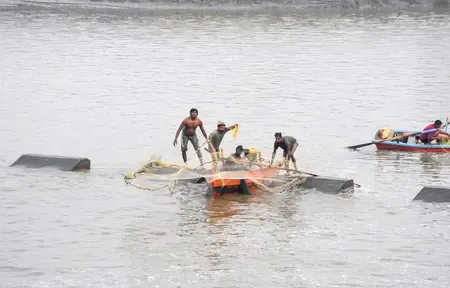
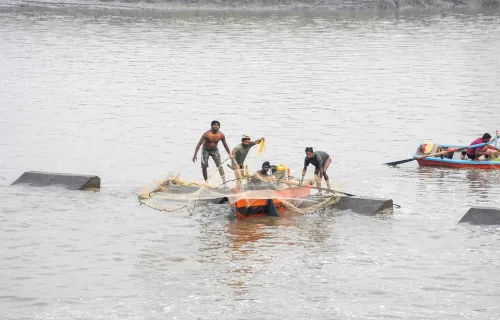
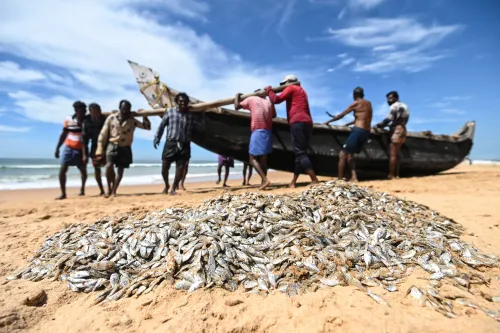
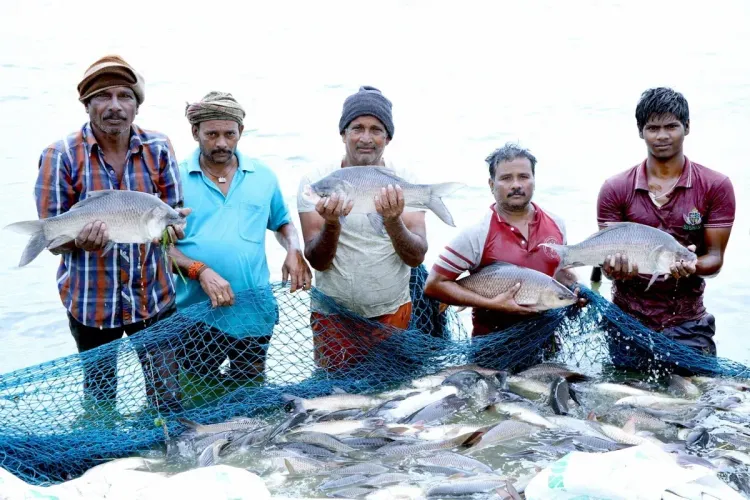
The fisheries and aquaculture sector directly supports the livelihoods of approximately 3 crore fishers and fish farmers across India, according to the ministry. Employment extends well beyond the water — spanning processing, cold-chain logistics, branding, and export — making the sector a significant pillar of rural economic activity.
The ministry highlighted that youth, fishers, and fish farmers are increasingly central to the sector's future, bringing innovation in modern aquaculture practices, digital traceability, and value addition. Their participation, officials said, is expected to further strengthen fisheries as a core component of India's Blue Economy agenda.
PM-MKSSY: The ₹6,000 Crore Sub-Scheme
The Union Cabinet approved PM-MKSSY on 8 February 2024 as a Central Sector Sub-scheme under PMMSY, covering a four-year period from FY 2023-24 to FY 2026-27. The scheme carries an estimated outlay of ₹6,000 crore and is being implemented across all states and Union Territories.
PM-MKSSY is designed to address structural weaknesses in the sector through targeted financial and technological interventions, with an emphasis on institutional reform to support the fisheries sector's long-term transformation.
Beneficiary Interaction After Independence Day
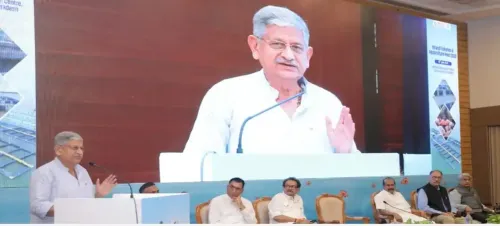
Following the Independence Day celebrations at the Red Fort on 15 August, the Department of Fisheries organised an interaction programme with beneficiaries under PM-MKSSY and their spouses. The event was held to recognise individual contributions and to highlight the on-ground impact of government schemes in the fisheries sector.
With India's global standing in fisheries now firmly established, the sector's next challenge is sustaining that position through improved traceability, climate-resilient aquaculture, and deeper integration into international supply chains.
Point of View
But the more consequential question is whether the sector can convert volume into value. Shrimp export leadership is real, yet India's seafood exports remain vulnerable to quality rejection notices from the EU and the US — a recurring problem that ₹39,272 crore in cumulative investment has not fully resolved. PM-MKSSY's emphasis on digital traceability and institutional reform is the right diagnosis; the test is execution speed against competitors like Vietnam and Norway who are moving faster on certification and cold-chain infrastructure. The Blue Economy framing is politically useful, but it will only hold if the 3 crore fishers at the base of the value chain see measurable income gains — not just headline rankings.
NationPress
17 Aug 2026
Frequently Asked Questions
What is India's rank in global fish production?
India is the world's second-largest fish producer, contributing 8 per cent of global fish output. It also ranks second in aquaculture production and leads globally in shrimp production and export.
How much has the government invested in fisheries since 2015?
The government has made cumulative investments of ₹39,272 crore since 2015 through schemes including the Blue Revolution Scheme, FIDF, PMMSY, and PMMKSSY. These initiatives are aimed at driving sustainable growth across the fisheries value chain.
What is the Pradhan Mantri Matsya Kisan Samridhi Sah-Yojana (PM-MKSSY)?
PM-MKSSY is a Central Sector Sub-scheme under PMMSY, approved by the Union Cabinet on 8 February 2024. It carries an outlay of ₹6,000 crore over four years from FY 2023-24 to FY 2026-27 and is being implemented across all states and Union Territories to address structural weaknesses in the fisheries sector.
How many people depend on India's fisheries sector for their livelihoods?
Approximately 3 crore fishers and fish farmers depend on the fisheries and aquaculture sector for their livelihoods. Employment also extends across the broader value chain, including processing, cold-chain logistics, and exports.
What role does the fisheries sector play in India's Blue Economy?
The fisheries sector is considered a key pillar of India's Blue Economy, with youth, fishers, and fish farmers expected to drive innovation in modern aquaculture, digital traceability, and export branding. The government sees their active participation as essential to sustaining India's global standing in the sector.