Indian Stock Markets Fall Over 1% Amid Rising West Asia Tensions

Synopsis
On March 30, the Indian stock market experienced a sharp drop of over 1%, driven by escalating tensions in West Asia. The Sensex and Nifty indices fell significantly, reflecting widespread selling pressure across multiple sectors. Analysts suggest a cautious approach for investors as geopolitical developments continue to influence market trends.
Key Takeaways
Domestic stock indices declined over 1% due to geopolitical tensions.
Sensex and Nifty both experienced significant drops.
All sectors faced selling pressure, with PSU banks and chemicals hit hardest.
Investors are advised to focus on fundamentally strong stocks.
Market analysts recommend caution and avoiding leveraged positions.
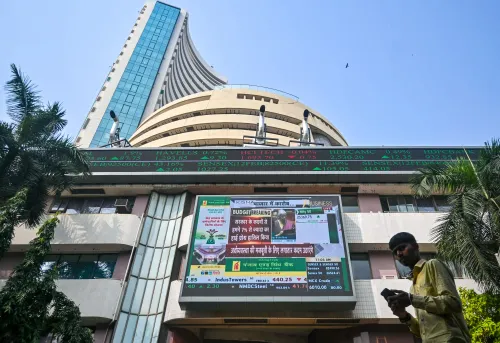
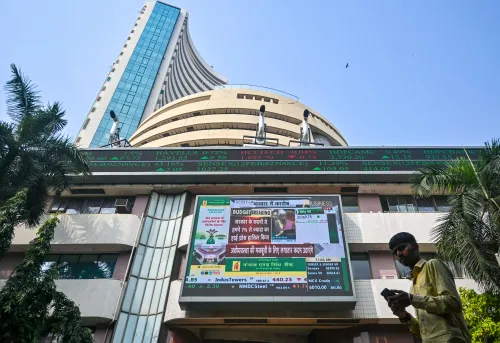
Mumbai, March 30 (NationPress) The domestic stock market indices saw a significant decline on Monday, dropping by more than 1 percent as tensions in West Asia intensified, marking the fifth week of unrest. The Sensex began trading at 72,565, down over 1,000 points or 1.38 percent, while the Nifty opened the session at 22,549, falling by 267 points or approximately 1 percent.
Across sectors, there was a broad-based sell-off, with all sectoral indices displaying losses. Notably, PSU banks and chemical stocks experienced the most significant declines, dropping by nearly 3-4 percent each, while real estate, automobile, and financial services sectors fell by up to 3 percent.
Even traditionally stable sectors such as FMCG, IT, and Pharmaceuticals were affected, witnessing declines of up to 2 percent.
Since February 28, when the conflict involving the US, Israel, and Iran began, the leading indices have plummeted by nearly 10 percent.
In the latest development, Iran reportedly launched an attack on an Israeli chemical facility, leading to Israel's retaliation targeting infrastructure in Tehran, escalating geopolitical tensions further.
Market analysts noted that the formation of a bearish candlestick indicates ongoing weakness and negative sentiment in the market. Immediate support for the Nifty is anticipated in the 22,450–22,500 range, while resistance is noted around 22,950–23,000.
They recommended that investors adopt a disciplined and selective strategy, concentrating on fundamentally solid stocks during significant declines, rather than pursuing short-term gains.
“New long positions should ideally be established only if the Nifty decisively surpasses and holds above 24,000, indicating an improvement in market sentiment and setting the stage for a more stable recovery,” analysts advised.
In the current landscape, where geopolitical events are more influential on market movements than technical indicators, it appears wise to avoid leveraged overnight positions, they added.
By 8:45 am, Brent crude futures surged by as much as 3.66 percent to reach an intraday high of $116.70 per barrel, approaching their 52-week peak.
Meanwhile, US WTI futures traded at $103.38, reflecting a 3.75 percent increase from the previous session.
On the international front, equities in both the US and Asian markets concluded lower. The S&P 500 dropped by 1.67 percent, while the Nasdaq fell by approximately 2 percent.
In Asia, Japan's Nikkei plummeted nearly 4 percent, Hong Kong's Hang Seng fell by over 1 percent, and South Korea's Kospi declined by almost 3 percent.
Point of View
It's crucial to approach the current market turmoil with a focus on national interests. The significant declines in the stock market underscore the impact of international conflicts on our economy, urging investors to remain vigilant and prioritize stability in their portfolios.
NationPress
9 Sept 2026
Frequently Asked Questions
What caused the recent decline in the Indian stock market?
The decline is attributed to escalating tensions in West Asia, particularly involving conflicts between Iran and Israel, which have heightened geopolitical concerns.
How much have the Sensex and Nifty fallen?
As of March 30, the Sensex has dropped over 1,000 points, or 1.38%, while the Nifty has decreased by 267 points, or around 1%.
Which sectors were most affected by the market decline?
All sectors experienced losses, with PSU banks and chemical stocks leading the decline, falling approximately 3-4% each.
What should investors do in this market environment?
Analysts advise maintaining a disciplined investment approach by focusing on fundamentally strong stocks and avoiding leveraged positions.
What is the outlook for the Nifty index?
Immediate support for the Nifty is seen in the 22,450–22,500 range, with resistance noted around 22,950–23,000.