Indian Stock Markets Enter Consolidation Phase Amid High Volatility
Synopsis
As Indian stock markets navigate through a consolidation phase filled with high volatility and uncertainty, market analysts reveal critical insights on the evolving situation. Discover the implications for investors and key resistance levels to watch.
Key Takeaways
Consolidation phase is marked by high volatility .
Global factors, including crude oil prices, significantly affect market direction.
22,500 is acting as immediate support, with 22,900–23,000 as resistance.
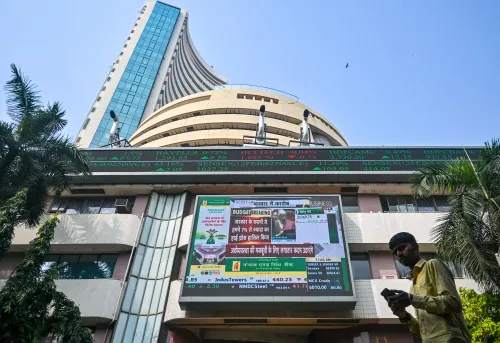
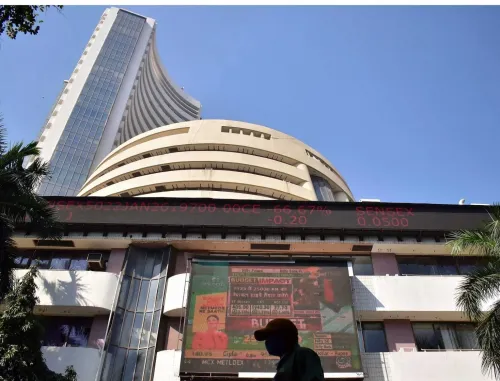
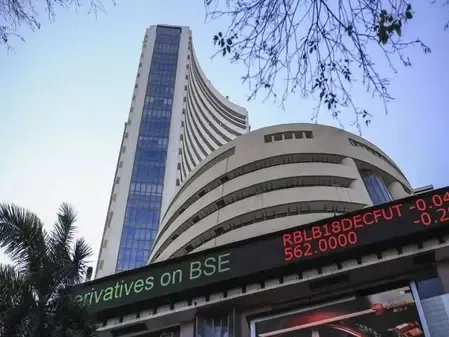
Mumbai, April 4 (NationPress) The Indian stock market seems to be entering a consolidation phase, characterized by significant volatility and unclear direction, as global uncertainties and mixed domestic signals keep investors vigilant, according to market analysts on Saturday.
Indian equity indices concluded the holiday-shortened week on a muted note, mirroring the ongoing market uncertainty.
The Nifty index fell by 0.47%, with the Sensex also closing lower, marking the sixth consecutive week of decline.
Despite the weak headline figures, experts highlighted a crucial transition occurring beneath the surface.
“From a broader perspective, the market is shifting into a consolidation phase characterized by high volatility and low visibility,” stated Hariprasad K of Livelong Wealth.
“While domestic capital flows and technical supports are providing some stability, global influences such as crude oil prices and geopolitical events will continue to shape market direction,” he added.
The overall market structure remains fragile yet not decisively bearish.
“The 22,500 mark is serving as immediate support, while the 22,900–23,000 range continues to act as a strong resistance zone due to substantial selling pressure,” he explained.
“Unless the index can maintain levels above this range, the prevailing trend will likely remain a ‘sell on rise’ strategy in the near term,” noted the expert.
Ajit Mishra from Religare Broking pointed out that ongoing volatility is primarily driven by global developments, especially tensions between the United States and Iran.
Such geopolitical concerns have kept crude oil prices high, posing a significant risk for India due to its reliance on imports. Elevated crude prices can affect inflation, currency stability, and overall market sentiment.
“The upcoming week is anticipated to be data-rich and influenced by both domestic and international cues,” Mishra mentioned.
Movements in the US-Iran conflict and their repercussions on crude oil prices will remain pivotal in shaping market sentiment, he observed.
Point of View
The current volatility in the Indian stock market reflects the broader global uncertainties. While fluctuations can create challenges, they also present opportunities for investors who remain informed and strategic.
NationPress
7 Oct 2026
Frequently Asked Questions
What is causing the current volatility in the Indian stock market?
The volatility is largely driven by global uncertainties, mixed domestic signals, and geopolitical tensions, particularly involving the US and Iran.
What are the key resistance levels to watch in the market?
The 22,900–23,000 zone is currently a strong resistance area due to heavy selling pressure, while the 22,500 level serves as immediate support.
Is the market outlook bearish or bullish?
The market structure is fragile but not decisively bearish, indicating a potential for consolidation amid ongoing volatility.