India's 52,718 public EV charging stations: 16,561 with fast chargers, govt tells Parliament
Synopsis
India's EV charging network has crossed 52,718 public stations — with 16,561 capable of fast-charging cars — as the government deploys over ₹2,912 crore across two flagship schemes. With 13,800 electric buses allocated to seven cities and PLI incentives live for EV manufacturers, the policy architecture is largely in place. The real test now is whether execution keeps pace with surging EV demand on Indian roads.
Key Takeaways
India has 52,718 public EV charging stations operational as of July 2025 , according to the government's reply to Lok Sabha .
16,561 of these stations are equipped with fast chargers for electric cars. ₹912.50 crore allocated under FAME-II and ₹2,000 crore under PM E-DRIVE for public charging infrastructure. ₹4,391 crore committed under PM E-DRIVE for 14,028 electric buses ; 13,800 already allocated to Delhi, Bengaluru, Hyderabad, Mumbai, Ahmedabad, Pune and Surat .
EV charging station setup classified as an unlicensed activity , opening the door to wider private investment.
PLI incentives of 13%–18% on incremental sales extended to electric four-wheeler manufacturers.
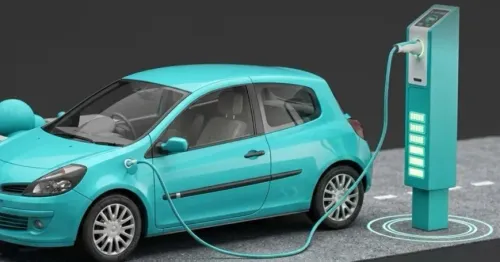
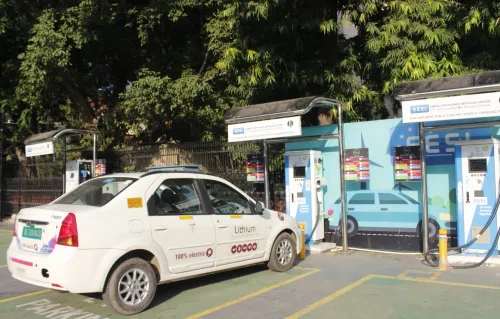
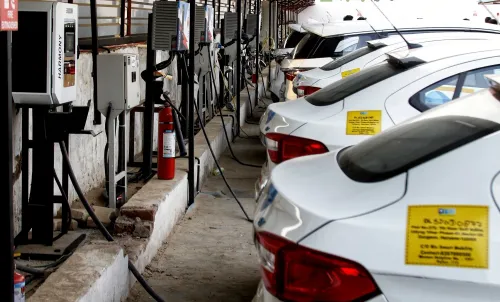
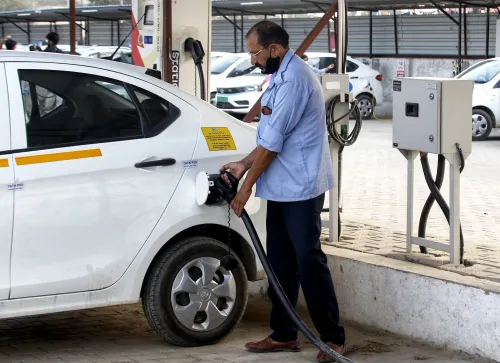
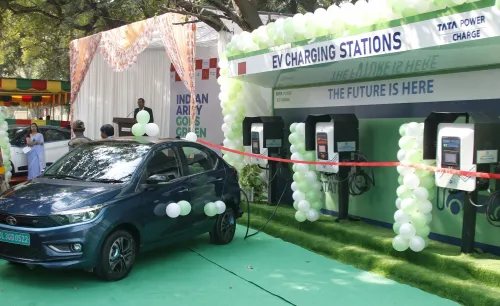
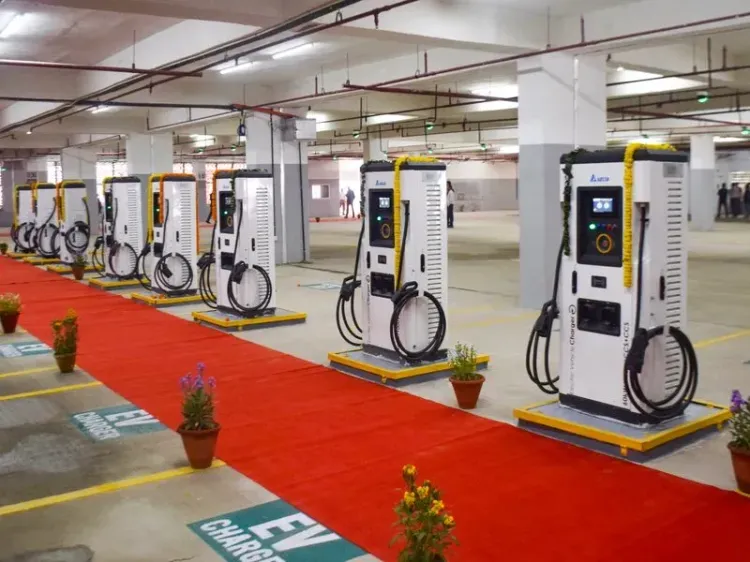
India now has 52,718 public electric vehicle (EV) charging stations operational across the country, with 16,561 of them equipped with fast chargers for cars, the Centre disclosed in Parliament on 22 July 2025. The figures, shared by Minister of State for Heavy Industries Bhupathiraju Srinivasa Varma in a written reply to the Lok Sabha, mark a measurable expansion of India's EV charging footprint as adoption of electric mobility accelerates.
Fast Chargers and Network Coverage
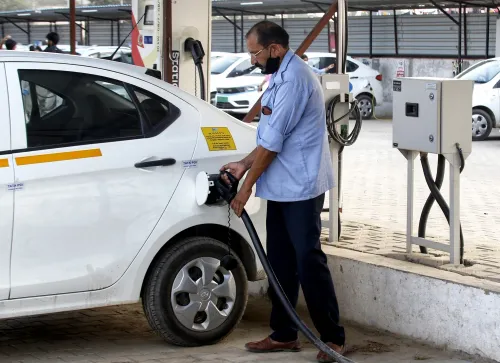
Of the 52,718 public charging stations currently functional, 16,561 are capable of fast-charging electric cars — a feature that directly addresses range anxiety, one of the most cited barriers to EV adoption in India. Fast chargers significantly cut down waiting times compared to standard AC chargers, making long-distance EV travel more viable. The government did not specify the geographic distribution of fast-charging stations, but the data signals a deliberate push beyond metro corridors.
Funding: FAME-II and PM E-DRIVE
The Ministry of Heavy Industries has channelled significant public funds to build out this network. Under the FAME-II scheme, ₹912.50 crore has been allocated for public charging infrastructure, while an additional ₹2,000 crore has been earmarked under the PM E-DRIVE scheme specifically for setting up charging stations across cities and national highways. Together, the two schemes represent a combined outlay of over ₹2,912 crore directed at public charging alone.
Notably, the Ministry of Power has also issued the 'Guidelines for Installation and Operation of Electric Vehicle Charging Infrastructure 2024', which establish standards for a connected, interoperable charging network — covering both plug-in charging and battery swapping facilities. Crucially, setting up an EV charging station has been classified as an unlicensed activity, lowering the entry barrier for private entrepreneurs and potentially accelerating private-sector investment in the space.
Electric Buses: 13,800 Allocated to Seven Cities
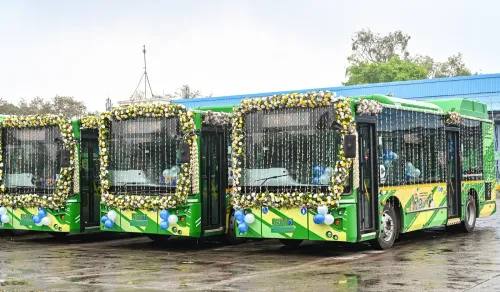
Beyond passenger cars, the government has committed ₹4,391 crore under the PM E-DRIVE scheme for the deployment of 14,028 electric buses. Of these, 13,800 buses have already been allocated to seven major cities: Delhi, Bengaluru, Hyderabad, Mumbai, Ahmedabad, Pune, and Surat. The tender process for selecting operators for all 13,800 buses has been completed across two phases, suggesting deployment is imminent.
PLI Incentives for EV Manufacturing
On the supply side, electric passenger cars have been brought under the Production Linked Incentive (PLI) Scheme for Automobile and Auto Components. Eligible manufacturers of Advanced Automotive Technology (AAT) vehicles — including electric four-wheelers — can claim financial incentives ranging from 13% to 18% on incremental sales. The inclusion of EVs in the PLI framework is designed to stimulate domestic production and reduce India's dependence on imported EV components.
What Comes Next
With operator tenders for the electric bus fleet concluded and charging infrastructure guidelines already in place, the immediate focus will be on execution — whether the allocated funds translate into operational stations at pace with rising EV sales. India's EV market has grown sharply in recent years, and the adequacy of public charging infrastructure will be a key determinant of whether that momentum is sustained.
Point of View
718-station figure is a headline win, but the more telling number is 16,561 fast chargers — barely 31% of total stations. For a country where urban charging at home remains inaccessible for most apartment dwellers, the quality and speed of public chargers matters as much as the count. The unlicensed-activity classification is a smart deregulatory move, but private capital will follow utilisation rates, not policy intent. With EV sales climbing and the electric bus fleet about to hit seven cities simultaneously, the stress test for this infrastructure is approaching faster than the rollout pace might suggest.
NationPress
20 Oct 2026
Frequently Asked Questions
How many public EV charging stations does India have in 2025?
India has 52,718 public EV charging stations operational as of July 2025, according to a government statement in Parliament. Of these, 16,561 are equipped with fast chargers for electric cars.
What is the PM E-DRIVE scheme for EV charging?
The PM E-DRIVE scheme is a government initiative under which ₹2,000 crore has been allocated for setting up public EV charging stations across cities and national highways, and an additional ₹4,391 crore for deploying 14,028 electric buses . It complements the earlier FAME-II scheme , which allocated ₹912.50 crore for charging infrastructure.
Which cities will receive electric buses under the PM E-DRIVE scheme?
13,800 electric buses have been allocated to seven cities: Delhi, Bengaluru, Hyderabad, Mumbai, Ahmedabad, Pune , and Surat . The tender process for selecting operators for all 13,800 buses has been completed in two phases.
Can private entrepreneurs set up EV charging stations in India?
Yes. The government has classified setting up an EV charging station as an unlicensed activity , significantly lowering the regulatory barrier for private entrepreneurs to invest in charging infrastructure. Interoperability standards are governed by the Ministry of Power's 2024 guidelines .
What PLI incentives are available for EV manufacturers in India?
Electric passenger cars are included under the PLI Scheme for Automobile and Auto Components . Eligible manufacturers of Advanced Automotive Technology (AAT) vehicles, including electric four-wheelers, receive financial incentives of 13% to 18% on incremental sales.