India's horticulture output set for record 3,869 lakh tonnes in 2025-26
Synopsis
India's horticulture sector is on track for its best-ever output — 3,869.15 lakh tonnes in 2025-26 — even as the area under cultivation shrank. The paradox of less land, more produce points to a productivity leap that, if sustained, could meaningfully lift rural incomes and reshape India's agricultural diversification story.
Key Takeaways
India's horticulture production is projected at a record 3,869.15 lakh tonnes in 2025-26 , up 4.36% from 3,707.38 lakh tonnes in 2024-25.
Output is rising despite a drop in cultivated area — from 301.36 lakh hectares to 297.21 lakh hectares .
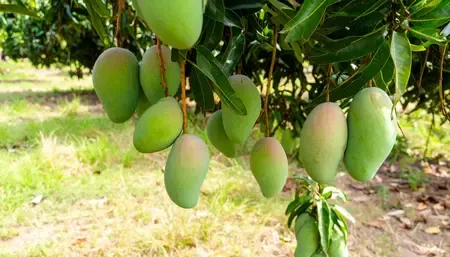
Fruit production is estimated at 1,230.66 lakh tonnes (up 4.60% ), led by banana, mango, papaya, apple, pomegranate and jackfruit.
Vegetable production is projected at 2,272.68 lakh tonnes (up 4.35% ), with potato and tomato among key drivers.
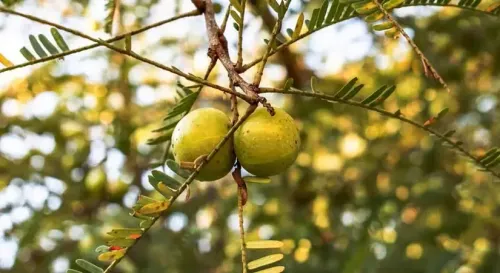
Plantation crops — arecanut, coconut, cashew, betel leaves, cocoa — are expected to rise 7.56% to 182.64 lakh tonnes .
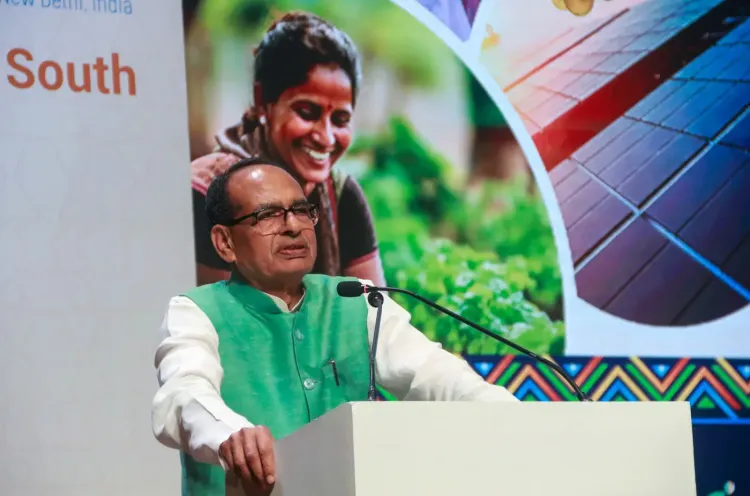
Union Minister Shivraj Singh Chouhan linked the growth to farmer efforts and central government agricultural policies.
India's horticulture production is projected to reach a record 3,869.15 lakh tonnes in 2025-26, a rise of 4.36 per cent from 3,707.38 lakh tonnes in the previous year, according to the Third Advance Estimates released by the Ministry of Agriculture and Farmers' Welfare. Union Minister Shivraj Singh Chouhan announced the figures on Tuesday, 17 November 2025, calling it a milestone for the country's farming community.
Key Figures Behind the Record
The projected output represents the highest horticulture production ever recorded in India. Notably, this growth has come despite a reduction in cultivated area — the total land under horticultural crops is estimated at 297.21 lakh hectares in 2025-26, down from 301.36 lakh hectares in 2024-25, pointing to measurable gains in productivity per hectare.
Fruit production is estimated to climb 4.60 per cent to 1,230.66 lakh tonnes, up from 1,176.49 lakh tonnes in 2024-25. The increase is supported by higher output of banana, mango, papaya, apple, pomegranate, and jackfruit.
Vegetables, Plantation Crops Lead Growth
Vegetable production is projected to grow 4.35 per cent to 2,272.68 lakh tonnes, with the area under vegetable cultivation expanding slightly to 119.31 lakh hectares from 117.91 lakh hectares. Potato, tomato, brinjal, bottle gourd, cucumber, cabbage, beans and peas are among the key contributors to this rise.
Plantation crops — including arecanut, coconut, cashew, betel leaves and cocoa — are estimated to post a 7.56 per cent jump in combined production to 182.64 lakh tonnes, with both area and output registering growth. Aromatic and medicinal plants are also expected to rise, from 9.01 lakh tonnes to 9.28 lakh tonnes.
Diversification Driving Farmer Incomes
Minister Chouhan highlighted that Indian agriculture is witnessing significant diversification, with farmers increasingly shifting from traditional crops to commercially viable options such as fruits, vegetables, flowers, spices, and plantation crops. 'The increase reflects the hard work of farmers and the impact of government policies,' Chouhan said, attributing the momentum to initiatives under the central government's agricultural framework.
According to the ministry, higher horticulture production is expected to strengthen nutritional security while generating improved incomes for farming households — a priority in a sector that employs a large share of India's rural workforce.
What This Means for the Sector
The data signals a structural shift in Indian agriculture toward high-value crops, with yield improvements compensating for the marginal drop in cultivated area. This comes amid sustained government support for cold-chain infrastructure, micro-irrigation, and cluster-based cultivation models. Analysts have noted that sustained diversification toward horticulture can help buffer farmers against commodity-price volatility in staple crops. With the final estimates still to be published, the Third Advance Estimates are subject to revision — but the trajectory points firmly upward.
Point of View
But the more instructive detail is what is driving the yield gain — and whether it is replicable. If productivity improvements are infrastructure-led (micro-irrigation, better seeds, cluster farming), they signal durability; if they reflect a one-year weather windfall, the record may not hold. The government's framing around farmer income is politically convenient ahead of state elections, but the data, if independently verified in final estimates, would represent a genuine structural shift. The critical gap in the announcement is a district-level breakdown: aggregate records can mask regional distress, and the states that most need horticulture diversification may still be lagging.
NationPress
17 Nov 2026
Frequently Asked Questions
What is India's projected horticulture output for 2025-26?
India's horticulture production is projected at a record 3,869.15 lakh tonnes in 2025-26, according to the Third Advance Estimates released by the Ministry of Agriculture and Farmers' Welfare. This is up 4.36 per cent from 3,707.38 lakh tonnes in 2024-25.
Which crops are driving the increase in horticulture production?
Fruits such as banana, mango, papaya, apple, pomegranate and jackfruit are driving a 4.60 per cent rise in fruit output. Vegetables including potato, tomato, brinjal and cucumber are behind a 4.35 per cent rise in vegetable production, while plantation crops — arecanut, coconut, cashew and cocoa — are up 7.56 per cent.
How is production rising even as the cultivated area has decreased?
The total area under horticultural crops has fallen to 297.21 lakh hectares in 2025-26 from 301.36 lakh hectares in 2024-25. The fact that output is rising despite less land indicates improved per-hectare yields, attributed to better farming practices, government support schemes, and crop diversification.
What did Agriculture Minister Shivraj Singh Chouhan say about the figures?
Minister Chouhan said the record output reflects the hard work of farmers and the impact of government agricultural policies. He also emphasised that diversification toward high-value and commercial crops is opening new income avenues for rural households and contributing to nutritional security.
Are these estimates final?
No. These are Third Advance Estimates and are subject to revision when the final figures are published. The Ministry of Agriculture and Farmers' Welfare typically releases final horticulture estimates after the full crop year data is consolidated.