J&K gets first-ever mineral block auctions; 2 limestone mines awarded in Anantnag
Synopsis
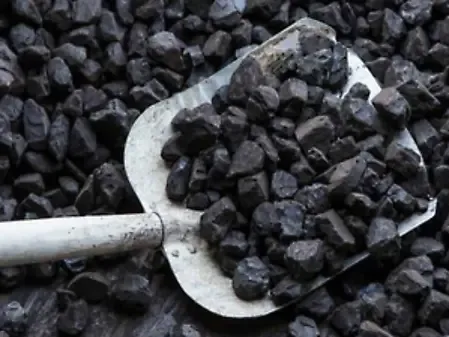
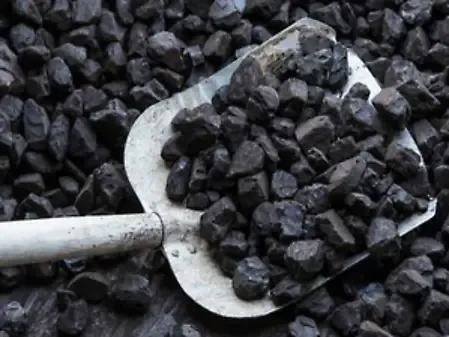
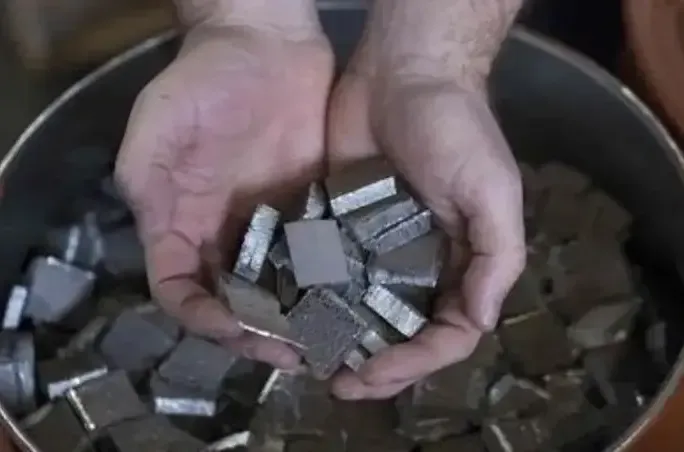
For the first time in its history, Jammu & Kashmir has seen mineral blocks go under the hammer — two limestone deposits in Anantnag district, together holding an estimated 15.6 million tonnes of resources, auctioned by the Ministry of Mines. It is a small but structurally significant step: the UT's mineral wealth has remained largely untapped, and this auction signals that the Centre intends to change that through the same transparent, competitive process applied elsewhere in India.
Key Takeaways
Jammu & Kashmir recorded its first-ever mineral block auctions on 2 October 2026 , conducted by the Ministry of Mines .
Two limestone blocks — Koot-Kapran ( 22.43 hectares , ~ 4.75 million tonnes ) and Wantrag ( 5.36 hectares , ~ 10.853 million tonnes ) — were awarded in Anantnag district .
The J&K administration had formally entrusted the Centre with conducting the auctions, reflecting the UT's unique post-2019 administrative structure.
The Wantrag block has been explored to the more advanced G-3 stage , with 159 metres of drilling completed.
The Ministry expects the development to attract investment, create direct and indirect employment, and boost local entrepreneurship in the mining sector.
Jammu & Kashmir has reached a historic milestone in its economic development journey, with two limestone mineral blocks successfully auctioned under the Central Government's mineral auction framework — the first-ever such auctions in the Union Territory. The development was announced on Friday, 2 October 2026, marking a structural shift toward the transparent, competitive allocation of the region's untapped mineral wealth.
How the Auctions Came About
The auctions were conducted by the Ministry of Mines after the Jammu & Kashmir administration formally entrusted the Centre with the responsibility of carrying out the mineral block auction process. This delegation paved the way for the first systematic, regulation-backed allocation of mining rights in the UT — a process long overdue given the region's estimated geological reserves.
This comes amid sustained focus on infrastructure creation, investment promotion, and economic development in Jammu & Kashmir in recent years. The Ministry described the commencement of mineral block auctions as adding 'a new dimension' to those efforts, opening the path to both exploration and commercial-scale development of mineral assets.
The Two Blocks: Location, Scale and Geology
The first auctioned block is the Koot-Kapran Limestone Block, situated in Dooru tehsil of Anantnag district. Spread across 22.43 hectares across the villages of Koot and Kapran, the block is estimated to hold approximately 4.75 million tonnes of limestone resources. Geological exploration has been completed to the G-4 level, with further detailed investigation expected before commercial development begins.
The second is the Wantrag Limestone Block, also located in Anantnag district. Covering 5.36 hectares, this block holds an estimated 10.853 million tonnes of limestone resources and has been explored to the more advanced G-3 stage, including 159 metres of drilling — providing a stronger geological baseline for future mining operations and resource assessment.
Economic Impact and Employment Potential
According to the Ministry of Mines, development of these two limestone blocks is expected to attract fresh investment and trigger a broader economic multiplier in the Union Territory. Mining operations and ancillary activities are projected to generate both direct and indirect employment, while opening business opportunities for local entrepreneurs, contractors, service providers, and allied industries.
The Ministry further noted that the initiative will support greater community participation in Jammu & Kashmir's emerging mining ecosystem and help maximise value creation from its mineral endowment.
Broader Policy Context
Notably, this is the first time the Centre has directly conducted mineral block auctions in Jammu & Kashmir — a function previously managed at the state level across most of India. The shift reflects the UT's unique administrative status post-2019 and the Centre's more direct role in shaping its economic trajectory. The move aligns with the broader national push toward transparent, auction-based natural resource allocation that replaced the discretionary allocation regime in the mining sector after legislative reforms in 2015.
The development signals that Jammu & Kashmir's mineral sector — long underexplored relative to its geological potential — may be entering a new phase of structured commercial activity, with limestone likely serving as an entry point for deeper mineral development ahead.
Point of View
But the scale — two limestone blocks totalling roughly 15.6 million tonnes across fewer than 28 hectares — is modest. The more consequential question is whether this marks the opening of a systematic mineral development pipeline or remains an isolated milestone. J&K's geology is broadly underexplored, and limestone, while industrially useful, is not the region's most strategically significant resource. The real test will come when — and if — auctions extend to higher-value minerals, and whether the employment and investment multipliers the Ministry projects actually materialise at the community level rather than accruing primarily to outside capital.
NationPress
2 Oct 2026
Frequently Asked Questions
What are the first mineral block auctions in Jammu & Kashmir?
On 2 October 2026, the Ministry of Mines conducted the first-ever mineral block auctions in Jammu & Kashmir, awarding two limestone blocks in Anantnag district. The auctions were held after the J&K administration delegated the process to the Centre.
Which two limestone blocks were auctioned in Jammu & Kashmir?
The two blocks are the Koot-Kapran Limestone Block (22.43 hectares, ~4.75 million tonnes, explored to G-4 level) and the Wantrag Limestone Block (5.36 hectares, ~10.853 million tonnes, explored to G-3 stage with 159 metres of drilling), both in Anantnag district.
Why did the Centre conduct the auctions instead of the J&K government?
The Jammu & Kashmir administration formally entrusted the Ministry of Mines with conducting the mineral block auctions, a reflection of the UT's unique administrative status. This allowed the Centre to apply the same transparent, competitive auction framework used across other states.
What economic benefits are expected from these limestone block auctions?
The Ministry of Mines expects the development to attract fresh investments and generate direct and indirect employment in J&K. Local entrepreneurs, contractors, service providers, and allied industries are expected to benefit from the emerging mining ecosystem.
How do these auctions fit into India's broader mining reform?
India moved from discretionary to auction-based mineral allocation following legislative reforms in 2015. Jammu & Kashmir's first-ever auctions bring the UT into alignment with this national framework, signalling a shift toward systematic, transparent exploitation of its long-underexplored mineral resources.