KOSPI foreign net selling hits record ₩44.71 trillion in May 2025
Synopsis
Foreign investors dumped a record ₩44.71 trillion in KOSPI stocks in May 2025 — the longest sell streak since the 2008 financial crisis — yet simultaneously poured record money into KOSDAQ, chasing AI and battery plays via a new tax-advantaged fund. The split tells two stories at once: profit-taking on blue chips and a speculative pivot to growth sectors.
Key Takeaways
Foreign investors sold a record net ₩44.71 trillion (US$29.66 billion) worth of KOSPI stocks in May 2025 , topping the previous record of ₩35.74 trillion set in March.
The foreign selling ran for 16 consecutive sessions from 7 to 29 May — the longest streak since February 2009 .
Domestic retail investors countered with a record net purchase of ₩36.09 trillion in the same period.
Foreign investors simultaneously bought a record net ₩2.8 trillion on the KOSDAQ , driven partly by the new Korea National Growth Fund .
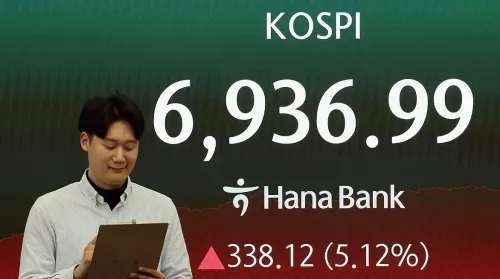
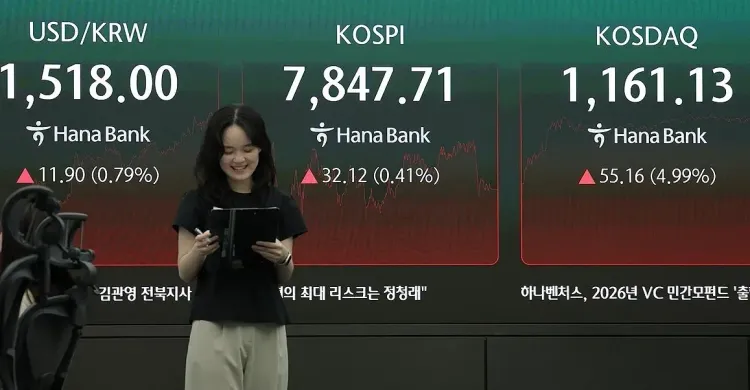
The KOSPI still climbed 3.55% to a record 8,476.15 , but the VKOSPI volatility index rose 3.72% to 74.26 , signalling mounting risk concerns.
Foreign investors offloaded a record net ₩44.71 trillion (approximately US$29.66 billion) worth of stocks listed on the Korea Composite Stock Price Index (KOSPI) in May 2025, surpassing the previous record of ₩35.74 trillion in net selling set in March, according to data from the Korea Exchange (KRX). The figures, released on Sunday, 31 May, mark the most aggressive single-month foreign exit from South Korean equities on record.
Record Selling Streak
Offshore investors remained net sellers for 16 consecutive trading sessions from 7 May to 29 May — the longest unbroken selling streak since February 2009, when foreign investors sold for 17 straight trading days in the wake of the 2008 global financial crisis. Market watchers attributed the sell-off largely to profit-taking following a sharp tech-led rally, driven by chipmakers Samsung Electronics Co. and SK hynix Inc.
Domestic Investors Step In
Retail investors moved in the opposite direction, purchasing a net ₩36.09 trillion worth of stocks during the month — itself a record for monthly net buying. The divergence between foreign outflows and domestic inflows underscores a growing split in market conviction over near-term valuations.
KOSDAQ Sees Record Foreign Inflows
Even as foreign investors fled the KOSPI, they simultaneously poured a net ₩2.8 trillion into the secondary KOSDAQ market — exceeding the previous record of ₩2.7 trillion in net buying set in July 2023. Market observers said the strong inflow into KOSDAQ was partly driven by expectations surrounding a newly launched investment fund offering tax benefits and loss protection, made available through local banks and securities firms earlier in the month.
The fund, operating under the Korea National Growth Fund, targets companies specialising in artificial intelligence, rechargeable batteries, hydrogen, biotechnology, and related sectors — sectors that dominate the KOSDAQ's composition.
KOSPI Nears 9,000 as Volatility Builds
Despite the record foreign selling, the KOSPI continued its rally, climbing 3.55% to close at a record high of 8,476.15 — pushing toward the unprecedented 9,000-point mark. However, rising volatility is fuelling concern that gains are increasingly concentrated in a handful of heavyweight stocks. The KOSPI 200 volatility index (VKOSPI) closed at 74.26, up 3.72% from the previous session, according to KRX data.
The concentration risk, combined with the longest foreign selling streak in over 15 years, raises questions about the durability of the rally as the market approaches uncharted territory.
Point of View
And profit-taking was overdue. What is more revealing is the simultaneous record inflow into KOSDAQ: foreign money did not leave South Korea, it rotated into higher-risk, higher-upside growth plays backed by a government fund with tax sweeteners. The real risk is that the KOSPI's continued climb to near-9,000 is now resting almost entirely on domestic retail shoulders — the same dynamic that amplified losses in 2021-22 when retail conviction cracked. If the VKOSPI reading of 74.26 is a warning sign, the market's dependence on a narrow set of heavyweight stocks makes the next correction potentially sharper than the headline index suggests.
NationPress
15 Oct 2026
Frequently Asked Questions
Why did foreign investors sell record amounts of KOSPI stocks in May 2025?
Foreign investors sold a record net ₩44.71 trillion in KOSPI stocks in May 2025, primarily due to profit-taking after a strong tech-led rally driven by chipmakers Samsung Electronics and SK hynix. The 16-session sell streak was the longest since February 2009.
What is the Korea National Growth Fund and why is it attracting investors?
The Korea National Growth Fund is a newly launched investment fund that offers tax benefits and loss protection to investors, made available through local banks and securities firms in May 2025. It targets companies in artificial intelligence, rechargeable batteries, hydrogen, and biotechnology, driving record foreign inflows into KOSDAQ.
Did the KOSPI fall despite record foreign selling?
No — the KOSPI actually rose 3.55% to a record high of 8,476.15, even as foreign investors were net sellers. Domestic retail investors absorbed much of the selling pressure, recording a record net purchase of ₩36.09 trillion for the month.
What does the VKOSPI reading of 74.26 indicate?
The KOSPI 200 volatility index (VKOSPI) closed at 74.26, up 3.72% in a single session, signalling rising market anxiety. Analysts note that gains are increasingly concentrated in a small number of heavyweight stocks, raising concerns about the sustainability of the rally as the KOSPI approaches the 9,000-point level.
How does May 2025's foreign selling compare to past records?
May 2025's net foreign selling of ₩44.71 trillion surpassed the previous record of ₩35.74 trillion set in March 2025. The 16-session consecutive sell streak is the longest since February 2009, when foreign investors sold for 17 straight days following the 2008 global financial crisis.