KOSPI surges 12.82% as Samsung, SK Hynix lead semiconductor rebound
Synopsis
South Korea's KOSPI posted one of its most dramatic single-session rebounds on record — up nearly 13 percent — after Microsoft's earnings gave global chip stocks a lifeline. But with the index still down roughly 40 percent for July, Friday's surge is a relief rally inside a brutal month, not a clean recovery.
Key Takeaways
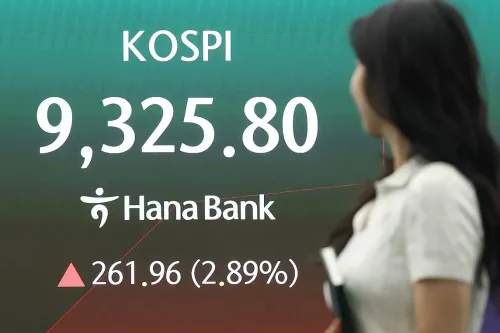
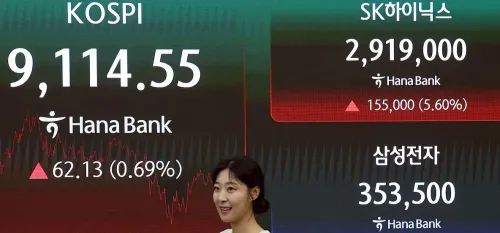
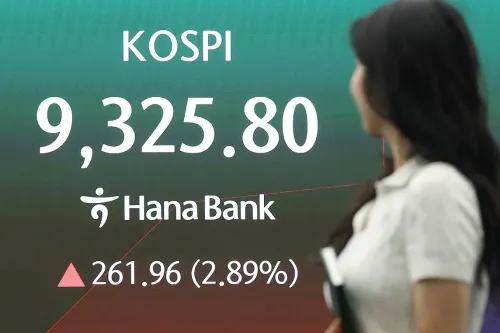
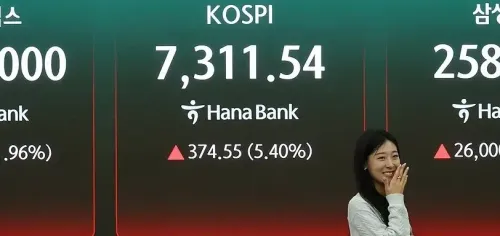
The KOSPI surged 12.82 percent to 6,310.86 as of 11:20 a.m. on 31 July , adding 717.3 points .
Samsung Electronics jumped 18.24 percent and SK Hynix skyrocketed 21.86 percent , leading the rebound.
The rally was triggered by Microsoft's stronger-than-expected earnings, which eased fears over AI infrastructure spending.
The KOSPI had fallen nearly 40 percent in July alone before Friday's bounce.
South Korea's industrial output rose 2.3 percent in June — the sharpest growth since June 2020 — with manufacturing up 6.4 percent .
The Korean won traded at 1,432.4 per US dollar, down 14.4 won from the prior session's close.
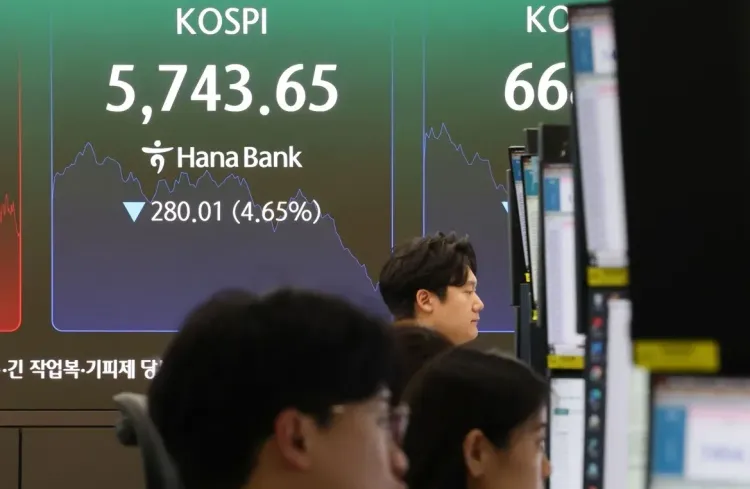
South Korea's benchmark Korea Composite Stock Price Index (KOSPI) soared 717.3 points, or 12.82 percent, to trade at 6,310.86 as of 11:20 a.m. on Friday, 31 July, as investors aggressively bought into semiconductor stocks following Microsoft's stronger-than-expected quarterly earnings. The rally marked a sharp reversal after a bruising three-session sell-off driven by fears over artificial intelligence (AI) infrastructure spending.
What Triggered the Rebound
The catalyst came from Wall Street, where markets closed sharply higher overnight after Microsoft's earnings report eased concerns about the sustainability of massive AI-related capital expenditure. The S&P 500 climbed 1.66 percent, the Nasdaq gained 2.78 percent, and the Dow Jones Industrial Average rose 1.19 percent. The PHLX semiconductor index, a key gauge of US chip giants, surged 8.2 percent — a direct signal that sent South Korean chipmakers sharply higher at the open.
Key Movers in Seoul
Market bellwether Samsung Electronics shot up 18.24 percent, while memory chip specialist SK Hynix skyrocketed 21.86 percent, leading the broader index higher. Gains were not confined to the chip sector: top automaker Hyundai Motor jumped 6.98 percent, internet major Naver gained 5.03 percent, leading shipbuilder HD Hyundai Heavy Industries rose 4.13 percent, and defence conglomerate Hanwha Aerospace advanced 4.86 percent. The breadth of the rally suggested broad-based risk appetite returning to Seoul markets after weeks of pressure.
The Scale of the Preceding Sell-Off
The rebound must be read against a severe backdrop: the KOSPI had fallen nearly 40 percent in July alone, according to reports, as AI spending concerns rippled through global technology markets and hit South Korea's chip-heavy index disproportionately hard. Friday's bounce, while dramatic, does not fully recover those losses, underscoring the fragility of sentiment in the current global tech cycle.
Currency and Industrial Output
The Korean won was trading at 1,432.4 won against the US dollar as of 11:20 a.m., down 14.4 won from the previous session's close — a sign that currency markets remained cautious even as equities surged. On the economic data front, South Korea's industrial output rebounded 2.3 percent in June from the prior month, snapping two consecutive months of decline, according to data from the Ministry of Data and Statistics. The mining and manufacturing sector — a cornerstone of the economy — surged 6.4 percent, led by the automobile and semiconductor industries. It was the sharpest industrial production growth since a 2.9 percent rise recorded in June 2020, and the first time since March that industrial output, retail sales, and facility investment all rose simultaneously.
What to Watch Next
With the KOSPI still well below its pre-July levels despite Friday's historic single-session gain, investors will be watching whether the Microsoft-driven optimism holds through subsequent US earnings reports and Federal Reserve signals. Any renewed concern about AI spending discipline or a softer US demand outlook could quickly reverse sentiment in a market as tech-concentrated as South Korea's.
Point of View
But it needs context: the KOSPI had shed roughly 40 percent in July alone, meaning Friday's surge recovers only a fraction of the damage. South Korea's equity market is structurally hostage to global AI sentiment because Samsung Electronics and SK Hynix together carry outsized index weight — when US tech earnings wobble, Seoul bleeds disproportionately. The real question is whether Microsoft's one-quarter beat signals a durable AI spending floor or merely delays the reckoning. Friday's industrial output data — the strongest manufacturing print since June 2020 — offers a more solid domestic foundation, but it will count for little if the next round of US tech earnings disappoints.
NationPress
14 Sept 2026
Frequently Asked Questions
Why did the KOSPI surge nearly 13 percent on 31 July?
The KOSPI jumped 12.82 percent to 6,310.86 after Microsoft reported stronger-than-expected quarterly earnings, easing investor fears about AI infrastructure spending. The positive sentiment on Wall Street — where the Nasdaq gained 2.78 percent and the PHLX semiconductor index surged 8.2 percent — directly lifted South Korean chipmakers Samsung Electronics and SK Hynix.
How much had the KOSPI fallen before Friday's rebound?
The KOSPI had declined nearly 40 percent in July alone, according to reports, driven by a three-session heavy sell-off rooted in concerns over AI spending sustainability. Friday's 12.82 percent gain, while historic, does not fully recover those losses.
Which South Korean stocks gained the most on 31 July?
SK Hynix led all gainers with a rise of 21.86 percent, followed by Samsung Electronics at 18.24 percent. Hyundai Motor rose 6.98 percent, Naver gained 5.03 percent, Hanwha Aerospace advanced 4.86 percent, and HD Hyundai Heavy Industries rose 4.13 percent.
What did South Korea's industrial output data show for June?
South Korea's industrial output grew 2.3 percent in June from May, snapping two consecutive months of decline and marking the sharpest expansion since June 2020's 2.9 percent rise, according to the Ministry of Data and Statistics. The mining and manufacturing sector surged 6.4 percent, led by automobiles and semiconductors.
How did the Korean won perform alongside the equity rally?
The Korean won weakened to 1,432.4 won per US dollar as of 11:20 a.m. on 31 July, down 14.4 won from the previous session's close, suggesting currency markets remained cautious despite the sharp equity rebound.