Modi's tourism push could lift forex earnings 25-30%, says HAI
Synopsis
The Hotel Association of India says PM Modi's domestic tourism push could lift India's forex earnings by 25 to 30 per cent, while triggering a wave of investment in hotels, MICE infrastructure and heritage circuits. With global travel patterns in flux, India's window to become a top-tier inbound destination may be wider than ever — but only if policy moves as fast as the rhetoric.
Key Takeaways
Hotel Association of India (HAI) says PM Modi 's domestic tourism push opens a major economic opportunity for India's hospitality sector.
Sustained tourism growth could raise tourism-linked foreign exchange earnings by 25 to 30 per cent , according to HAI estimates.
Kachru , HAI President and Radisson Hotel Group Chairman–South Asia, called inbound tourism 'decisive' for hospitality sector growth.
Rising demand is expected to accelerate investment in mid-market, luxury hotels, cruises, heritage destinations and MICE infrastructure.
HAI flagged faster approvals, predictable regulations and targeted incentives as critical under India's Vision 2047 roadmap.
Prime Minister Narendra Modi's call for Indians to prioritise domestic destinations for leisure travel, weddings, conferences and events has unlocked a significant economic opportunity for India's hospitality sector, according to the Hotel Association of India (HAI). The industry body, speaking from Thiruvananthapuram on 22 May, said the initiative arrives at a pivotal moment as geopolitical turbulence and shifting global travel patterns reshape international tourism.
Why the Timing Matters
The HAI noted that slowing global growth and instability abroad have made travellers increasingly cautious about international destinations. India, the association argued, is well placed to capitalise — positioning itself as a preferred hub for leisure, business, medical and spiritual tourism while simultaneously strengthening its foreign exchange reserves through higher inbound arrivals.
According to the HAI, sustained tourism growth could raise tourism-linked foreign exchange earnings by 25 to 30 per cent over the coming years, driven by visitor spending on hotels, food and beverages, healthcare, transport, retail and entertainment.
Investment and Infrastructure Outlook
The association expects rising domestic tourism demand to accelerate investment in mid-market, premium and luxury hotels, cruises, heritage circuits, religious tourism corridors and MICE (Meetings, Incentives, Conferences and Exhibitions) infrastructure. Industry leaders believe this trajectory could attract long-term foreign capital, global expertise and technology partnerships into India's hospitality ecosystem.
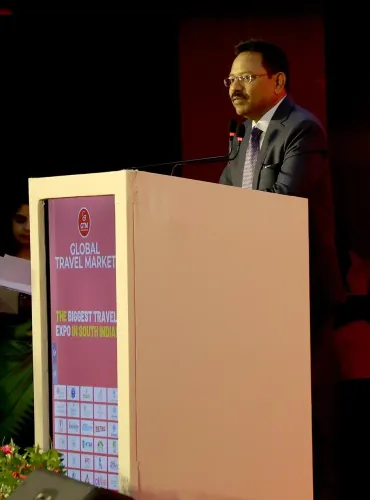
K.B. Kachru, President of the Hotel Association of India and Chairman–South Asia of Radisson Hotel Group, said: 'Inbound tourism will play a decisive role in the growth of India's hospitality sector in the coming years.' He added that 'India has the opportunity to position itself as a globally competitive tourism destination with world-class infrastructure and experiences.'
Broader Economic Spillovers
Kachru noted that foreign investment in hospitality would generate wider benefits across construction, logistics, technology and supply chains, while creating sustainable employment. The HAI estimated that the Modi push goes well beyond encouraging domestic holidays — it could trigger major investments in hotels, resorts, convention centres and wellness retreats, generating economic activity across both urban and rural India.
Policy Enablers Needed
The HAI stressed that faster approvals, predictable regulations and targeted incentives would be critical for unlocking the sector's full growth potential under India's Vision 2047 roadmap. The association also highlighted India's image as a stable democracy with cultural diversity and improving infrastructure as an increasingly attractive proposition for international travellers seeking safe, experience-driven destinations. How swiftly the government translates the Prime Minister's call into a structured policy framework will determine whether this opportunity converts into lasting sectoral growth.
Point of View
But the 25-to-30 per cent forex earnings projection lacks a baseline year or methodology — making it a headline figure rather than a verifiable target. India has repeatedly announced tourism pushes without the regulatory follow-through needed to attract serious foreign hospitality investment; land acquisition delays, single-window clearance gaps and inconsistent GST treatment on hotel stays remain unresolved. Modi's call resonates politically, but the sector's real test is whether Vision 2047 tourism targets come with enforceable timelines and measurable disbursement milestones, or remain aspirational. The HAI's own caveat — that 'faster approvals and predictable regulations' are needed — quietly signals that the enabling environment is not yet there.
NationPress
23 Sept 2026
Frequently Asked Questions
What did the Hotel Association of India say about PM Modi's tourism push?
The Hotel Association of India said PM Modi's call for Indians to choose domestic destinations for travel, weddings and conferences has opened a major economic opportunity for the hospitality sector. The body estimated that sustained tourism growth could raise India's tourism-linked foreign exchange earnings by 25 to 30 per cent over the coming years.
How could Modi's tourism initiative affect India's foreign exchange earnings?
According to the HAI, stronger inbound and domestic tourism could substantially raise India's forex earnings through visitor spending on hotels, food and beverages, healthcare, transport, retail and entertainment. The association projected a 25 to 30 per cent increase in tourism-linked foreign exchange earnings if growth is sustained.
What investments are expected in India's hospitality sector?
The HAI expects accelerated investment in mid-market, premium and luxury hotels, cruises, heritage destinations, religious tourism circuits and MICE infrastructure. Industry leaders believe this could also attract long-term foreign capital and global expertise into India's hospitality ecosystem.
Who is K.B. Kachru and what did he say?
K.B. Kachru is the President of the Hotel Association of India and Chairman–South Asia of Radisson Hotel Group. He stated that inbound tourism will play a decisive role in India's hospitality sector growth and that India has the opportunity to become a globally competitive tourism destination with world-class infrastructure.
What policy changes does the HAI say are needed to realise this potential?
The HAI stressed that faster project approvals, predictable regulations and targeted incentives are crucial for unlocking the sector's full growth potential under India's Vision 2047 roadmap. Without these enablers, the association cautioned, the opportunity may not translate into sustained investment and job creation.