Nexperia partners Tata Electronics for chip manufacturing at Dholera fab
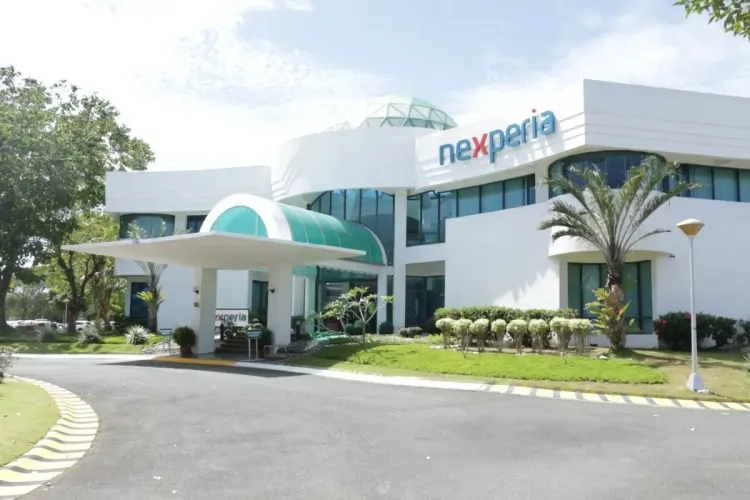
Synopsis
Nexperia's break from Chinese parent Wingtech — triggered by Dutch state intervention and a Beijing chip export ban — has landed India a major win. The Dutch chipmaker is now partnering Tata Electronics to produce power chips at the $11 billion Dholera fab, in what could become a template for Western chipmakers seeking to exit single-country supply chain risk.
Key Takeaways
Nexperia and Tata Electronics announced a chip manufacturing partnership on 18 September 2026 .
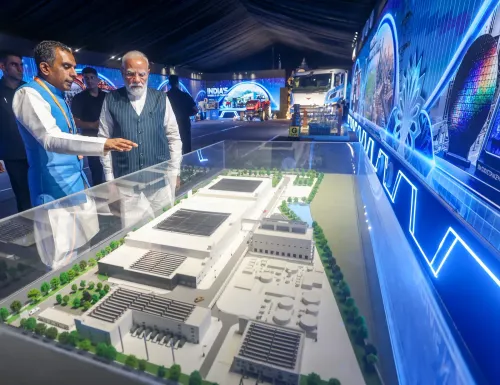
Nexperia's MOSFET portfolio will be produced at Tata's $11 billion, 300mm semiconductor fab in Dholera, Gujarat .
Back-end assembly and testing will take place at Tata's packaging facility in Jagiroad .
The deal follows Nexperia's fallout with former Chinese parent Wingtech after the Dutch government intervened in September 2025 to block a shift of operations to China.
Beijing reportedly retaliated with a temporary chip export ban from Dongguan , causing shortages for carmakers.
Financial terms of the Nexperia-Tata deal were not disclosed.
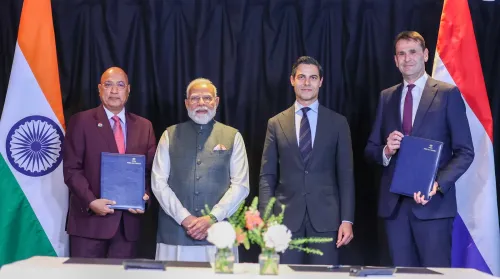
Dutch chipmaker Nexperia has announced a strategic partnership with Tata Electronics to manufacture and package power control chips at Tata's planned semiconductor complex in Dholera, Gujarat, marking a significant pivot for the Netherlands-based company following its high-profile fallout with former Chinese parent Wingtech. The deal, announced on 18 September 2026, covers front-end wafer fabrication, back-end assembly and testing, and joint technology development.
What the Partnership Covers
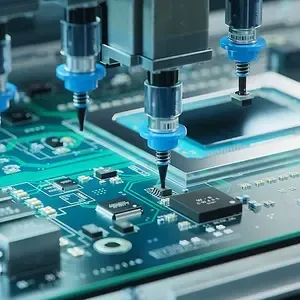
Under the agreement, Nexperia and Tata Electronics will co-produce a range of Nexperia's power control chips — including its MOSFET portfolio — at the $11 billion Dholera plant, which will house a 300mm semiconductor fab. The two companies will also cooperate on chip testing and assembly at Tata's packaging facility in Jagiroad. Financial terms of the deal were not disclosed.
The partnership is structured around three pillars: front-end wafer fabrication; back-end assembly and test; and technology and ecosystem development. The companies said they will also collaborate on developing future technology, signalling a longer-term commitment beyond the immediate manufacturing mandate.
What the Companies Said
Tata Electronics Chief Executive Randhir Thakur described the collaboration as 'an important step in Tata Electronics' efforts to build a globally competitive, integrated semiconductor manufacturing ecosystem in India.' Stefan Tilger, interim CEO of Nexperia, said the framework 'creates new opportunities for collaboration and reinforces our commitment to serving customers through a resilient and globally balanced manufacturing network.'
Tilger added that the collaboration brings together 'complementary strengths across technology, manufacturing and innovation, while supporting the broader development of semiconductor capabilities in India.'
The Wingtech Fallout and Its Global Ripple
Nexperia — a major supplier of chips used widely in the automotive and consumer electronics industries — entered a protracted dispute with Wingtech in September 2025 after the Dutch government intervened to prevent the company from shifting operations to China. Beijing reportedly retaliated by temporarily banning exports of Wingtech's chips, which were packaged in Dongguan, triggering chip shortages for carmakers. The episode underscored the geopolitical fragility of semiconductor supply chains concentrated in a single geography.
This comes amid a broader global push to diversify chip manufacturing away from East Asia. The Nexperia-Tata deal is part of that recalibration, and aligns with India's stated ambition to become a credible node in the global semiconductor supply chain.
India's Semiconductor Push
The Dholera facility is one of India's most ambitious semiconductor projects under the government's India Semiconductor Mission. Tata Electronics had earlier announced the $11 billion fab investment, which is expected to become a cornerstone of India's chip ecosystem. Nexperia's participation adds a globally recognised chip designer to the Dholera project, potentially boosting its credibility with other prospective partners and customers.
As India seeks to establish itself as a manufacturing alternative to China and Taiwan, the Nexperia deal could serve as a template for similar technology-transfer arrangements with other European and US chipmakers looking to reduce single-country exposure.
Point of View
And India has captured that displacement. The critical question is execution: Dholera's 300mm fab is still 'upcoming', and the gap between partnership announcements and operational output in Indian semiconductor projects has historically been wide. If Tata Electronics can bring the fab online on schedule and Nexperia's MOSFET volumes materialise, this deal will be cited as a proof-of-concept for India's semiconductor ambitions. If timelines slip — as they have elsewhere — the headline partnership risks becoming another line in a long list of announced-but-delayed projects.
NationPress
18 Sept 2026
Frequently Asked Questions
What is the Nexperia-Tata Electronics semiconductor partnership about?
Nexperia, a Dutch chipmaker, and Tata Electronics have agreed to jointly manufacture and package power control chips — including Nexperia's MOSFET portfolio — at Tata's planned $11 billion, 300mm semiconductor fab in Dholera, Gujarat. The deal also covers back-end assembly and testing at Tata's Jagiroad facility, and future technology co-development.
Why did Nexperia pivot away from China to partner with Tata Electronics?
Nexperia entered a dispute with its former Chinese parent Wingtech in September 2025 after the Dutch government intervened to stop the company from moving operations to China. Beijing reportedly retaliated with a temporary ban on Wingtech chip exports from Dongguan, causing shortages for carmakers. The fallout accelerated Nexperia's push to build a more geographically balanced manufacturing network.
Where will Nexperia's chips be manufactured under this deal?
Front-end wafer fabrication will take place at Tata Electronics' upcoming 300mm semiconductor fab in Dholera, Gujarat. Back-end assembly and testing will be carried out at Tata's packaging facility in Jagiroad.
What types of chips will be produced under this partnership?
The partnership focuses on Nexperia's power control chips, specifically its MOSFET portfolio, which are widely used in the automotive and consumer electronics industries.
How does this deal fit into India's semiconductor ambitions?
The Dholera facility is a flagship project under India's semiconductor push, backed by an $11 billion investment from Tata Electronics. Nexperia's participation adds a globally recognised chip designer to the project and could attract further Western chipmakers looking to reduce exposure to single-country supply chains in East Asia.