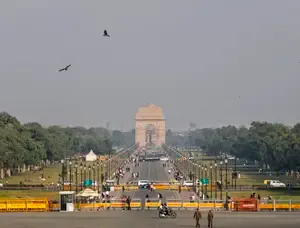
NHAI installs emission controls on 25 DG sets along Dwarka Expressway
Synopsis
NHAI is fitting emission-control devices on 25 highway DG sets along a key Delhi-Gurugram corridor — a quiet but telling signal that India's road authority is being pulled into the NCR's air-quality compliance net, not just its vehicle-emissions regime.
Key Takeaways
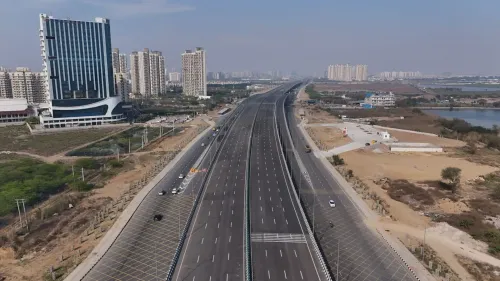
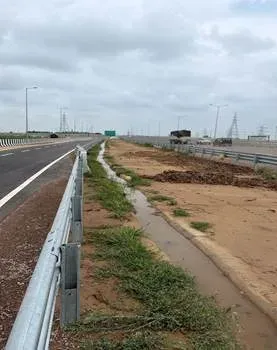
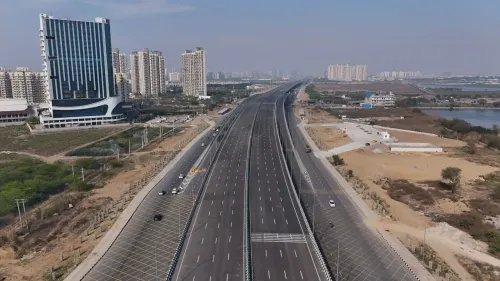
NHAI has begun installing Retrofit Emission Control Devices (RECD) on 25 diesel generator sets along the 8.7-km Package-IV stretch of the Dwarka Expressway .
The initiative is mandated by the Commission for Air Quality Management (CAQM) under the Graded Response Action Plan (GRAP) framework.
RECDs will cover DG sets used for Expressway lighting and associated operations .
GPS-tagged photographs of each installation will be maintained for verification and regulatory compliance.
The rollout targets completion before peak winter smog conditions in the NCR .
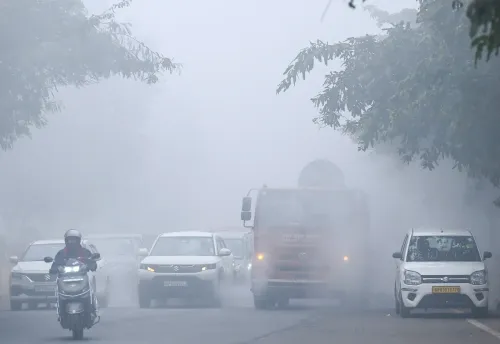
The National Highways Authority of India (NHAI) has begun fitting Retrofit Emission Control Devices (RECD) on 25 diesel generator sets along the 8.7-kilometre Package-IV stretch of the Dwarka Expressway in the National Capital Region (NCR), according to an official statement released on Friday, 9 October 2026. The move is aimed at curbing air pollution on one of Delhi's key highway corridors ahead of the winter smog season.
Why This Stretch Was Chosen
The Dwarka Expressway Package-IV corridor — connecting Basai to the Kherki Dhaula/Delhi-Gurugram Expressway cloverleaf intersection — falls within the NCR boundary, a region that routinely records hazardous air quality levels during winter months. The Ministry of Road Transport and Highways stated that the stretch was selected to reinforce environmental protection measures on National Highway infrastructure within the NCR.
Regulatory Mandate Behind the Move
The initiative is being implemented in compliance with directions from the Commission for Air Quality Management (CAQM), which has mandated emission-control measures for DG sets operating in the NCR — particularly during the winter season under the Graded Response Action Plan (GRAP). CAQM's framework requires all high-emission equipment to meet applicable air-quality norms before smog conditions peak. This is part of a broader regulatory push that has steadily tightened standards for construction and infrastructure-related equipment across the capital region.
What the Installation Involves
The RECDs will be fitted on DG sets that power Expressway lighting and associated operations. The process covers installation, testing, commissioning, and long-term maintenance support, according to the ministry statement. Notably, NHAI has also mandated that GPS-tagged photographs of each RECD installation be maintained at every DG-set location — a step designed to ensure third-party verification and audit compliance.
NHAI's Broader Environmental Commitment
According to the ministry, the RECD programme is part of NHAI's wider approach to integrating environmental safeguards into National Highway construction and operations, with particular emphasis on NCR-located projects. 'The environmental initiatives are aligned with the broader objective of ensuring that the expansion and operation of National Highway infrastructure is in line with strengthening compliance for air-quality norms,' the ministry said. This initiative reflects a growing institutional acknowledgement that highway operations — not just vehicles on them — contribute to urban air-quality deterioration.
What Comes Next
With winter months historically being the most critical period for NCR air quality, the timing of the RECD rollout is deliberate. All 25 DG sets are expected to be fully commissioned ahead of peak GRAP activation. The GPS-tagging mechanism will allow regulators to independently verify compliance without relying solely on self-reporting by the executing agency.
Point of View
But it signals something important: NHAI is no longer insulated from NCR air-quality regulation. Extending CAQM's mandate to highway operations equipment — not just construction activity or private vehicles — marks a meaningful expansion of the regulatory perimeter. The GPS-tagging requirement is a smart accountability mechanism, but its value depends entirely on whether regulators actually audit the data. Given GRAP's historically patchy enforcement record, the verification framework will be the real test of this programme's impact.
NationPress
9 Oct 2026
Frequently Asked Questions
What are Retrofit Emission Control Devices (RECD) being installed by NHAI?
RECDs are add-on emission-reduction systems fitted to existing diesel generator sets to bring their exhaust output in line with air-quality norms. NHAI is installing them on 25 DG sets along the Dwarka Expressway's Package-IV stretch to reduce pollution in the NCR, in compliance with CAQM directions.
Why is NHAI installing emission controls on Dwarka Expressway DG sets?
The installation is mandated by the Commission for Air Quality Management (CAQM) as part of the Graded Response Action Plan (GRAP), which requires emission controls on DG sets operating in the NCR — especially during winter when air quality deteriorates sharply. The Dwarka Expressway Package-IV falls within the NCR boundary.
Which DG sets will receive the RECD units?
The 25 DG sets targeted are those used for lighting and other operational requirements along the 8.7-km Package-IV stretch of Dwarka Expressway, connecting Basai to the Kherki Dhaula/Delhi-Gurugram Expressway cloverleaf intersection.
How will compliance be verified for the RECD installations?
NHAI has specified that GPS-tagged photographs of RECD installations at each DG-set location will be maintained for verification and compliance purposes, allowing regulators to independently confirm that devices have been properly installed and commissioned.
What is the Graded Response Action Plan (GRAP) and why does it matter here?
GRAP is a tiered emergency framework activated by CAQM when NCR air quality crosses defined thresholds, triggering progressively stricter restrictions on polluting activities. Under GRAP, DG sets are a regulated emission source, and NHAI's RECD rollout is a pre-emptive compliance measure before winter smog conditions peak.