Nifty, Sensex fall for 7th straight week as crude tops $105, US yields hit 5.10%

Synopsis
Indian markets have now fallen for seven straight weeks — a streak driven not by domestic weakness but by a bruising combination of $105-plus Brent crude, a US 10-year yield above 5.10%, and intensifying FII outflows. A potential Iran-US deal on the Strait of Hormuz is the single wildcard that could reverse the entire crude-driven narrative.
Key Takeaways
Nifty 50 fell 0.88% for the week, closing at 23,140 on 26 September 2026 — a seventh consecutive weekly loss .
BSE Sensex shed 0.54% for the week, ending at 73,895 , up 315 points on Friday.
Brent crude stayed above $105/barrel ; WTI crude remained above $90/barrel on geopolitical supply concerns.
US 10-year Treasury yield crossed 5.10% , reducing the appeal of emerging market assets and amplifying FII outflows.
Iran reportedly submitted a seven-day proposal to the US to reopen the Strait of Hormuz , contingent on sanctions relief and a ceasefire.
RBI has intervened to limit rupee volatility; analysts peg 23,000 as Nifty support and 23,200 as resistance.
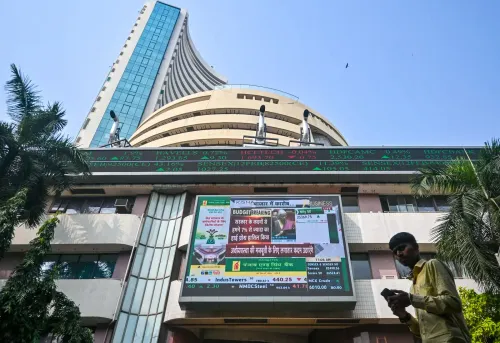
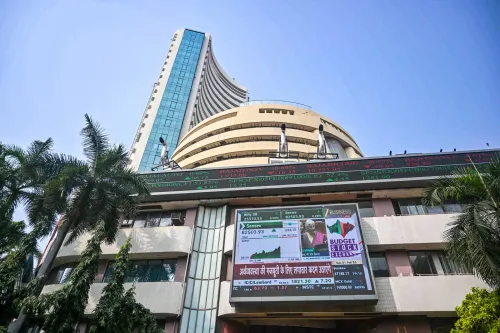
Indian equity benchmarks extended their losing streak into a seventh consecutive week on 26 September 2026, as Brent crude held above $105 per barrel and the US 10-year Treasury yield surged past 5.10%, tightening global financial conditions and battering emerging market sentiment. The Nifty 50 lost 0.88% for the week, closing Friday at 23,140, while the BSE Sensex shed 0.54% over the week, ending at 73,895 — up 315 points on the final trading day alone as value buyers stepped in.
Mid-Week Rout, Friday Recovery
The week's trajectory was turbulent. Benchmarks slid more than 1.6% on Thursday under heavy selling pressure before a modest recovery on Friday, driven by selective value buying. The Friday uptick, however, was insufficient to offset the cumulative weekly losses, marking the longest consecutive weekly decline for both indices in recent months.
Crude Oil and Bond Yields: The Twin Headwinds
Brent crude remained above $105 per barrel for most of the week, while WTI crude stayed elevated above $90 per barrel, fuelled by continued geopolitical uncertainty and concerns over global oil supply disruptions. Prices did moderate toward the week's end, offering limited relief on India's import bill, inflation expectations, the rupee, and corporate input costs.
Compounding the pressure, the US 10-year Treasury yield crossed 5.10%, a level analysts said materially reduces the relative attractiveness of emerging market assets including Indian equities. Elevated yields globally are tightening liquidity conditions precisely when domestic markets are dealing with sustained foreign institutional investor (FII) outflows — a headwind that analysts note has intensified significantly compared with prior weeks.
Geopolitics: Iran's Seven-Day Proposal
Adding to the macro fog, Iran reportedly submitted a new seven-day proposal to the United States to end the ongoing conflict and reopen the strategically important Strait of Hormuz, contingent on Washington lifting its naval blockade, waiving oil sanctions, and agreeing to a broader ceasefire. The proposal, if accepted, could ease supply concerns and put downward pressure on crude — a scenario markets are watching closely given its direct impact on India's import bill and inflation trajectory.
Rupee Under Watch, RBI Steps In
Market participants flagged persistent pressure on the Indian rupee, with oil-related dollar demand and continued FII outflows combining to keep the currency vulnerable. The Reserve Bank of India (RBI) has reportedly intervened to contain excessive volatility, though analysts cautioned that structural demand for dollars could limit the central bank's ability to provide a sustained floor.
Key Levels to Watch
Analysts identified 23,000 as the immediate support zone for the Nifty, with 23,200 acting as the near-term resistance. A decisive breach below support could accelerate selling, particularly given the fragile FII positioning. The coming week's direction will likely hinge on crude oil price trajectories, any update on the Iran-US negotiations, and the next batch of US economic data that could further move Treasury yields.
Point of View
Not just a statistic. The real story here is structural: India's equity market is being squeezed from two directions simultaneously — elevated crude inflating the import bill and US yields repricing global capital away from emerging markets. Neither of these is a domestic problem the RBI or the government can fully neutralise. The Iran-US negotiation is the most asymmetric variable on the table — a deal could abruptly reverse both crude and the FII narrative, while a breakdown could push Brent toward $115. Indian markets are, for now, hostage to geopolitics they cannot influence.
NationPress
26 Sept 2026
Frequently Asked Questions
Why have Nifty and Sensex fallen for seven consecutive weeks?
The sustained decline is driven by a combination of elevated Brent crude prices above $105 per barrel, a US 10-year Treasury yield surging past 5.10%, and intensifying foreign institutional investor outflows. These global pressures have repeatedly outweighed any domestic buying support, extending the losing streak to seven straight weeks as of 26 September 2026.
How high is US crude oil right now and why does it matter for India?
Brent crude held above $105 per barrel and WTI remained above $90 per barrel this week amid geopolitical uncertainty. For India, a major crude importer, elevated oil prices widen the trade deficit, stoke inflation, pressure the rupee, and raise corporate input costs — all of which weigh on equity valuations.
What is Iran's seven-day proposal and how could it affect markets?
Iran reportedly submitted a seven-day proposal to the United States to end the ongoing conflict and reopen the Strait of Hormuz, in exchange for the lifting of the US naval blockade, waiver of oil sanctions, and a broader ceasefire. If accepted, the deal could ease global oil supply concerns, potentially bringing crude prices lower and relieving pressure on Indian markets.
What are the key technical levels for Nifty going forward?
Analysts have identified 23,000 as the immediate support zone for the Nifty 50, with 23,200 acting as the near-term resistance. A break below 23,000 could accelerate selling pressure, while a sustained move above 23,200 would signal a potential stabilisation.
How is the rupee holding up amid FII outflows and high crude?
The rupee is under pressure from persistent oil-related dollar demand and continued FII outflows. The Reserve Bank of India has reportedly intervened in the currency market to contain excessive volatility, though analysts warn that structural dollar demand could limit the central bank's ability to provide lasting support.