NSE co-location case: SC refers Chitra Ramkrishna 'public servant' issue to trial court

Synopsis
The Supreme Court has shut the door on Chitra Ramkrishna's bid to avoid trial in the NSE co-location case — but has left the most consequential question open: is the head of a private stock exchange a 'public servant' under anti-corruption law? That determination now falls to the trial court, and its answer could redraw the legal boundaries of accountability across India's financial sector.
Key Takeaways
The Supreme Court on 15 September 2026 disposed of former NSE MD Chitra Ramkrishna's special leave petition against a Delhi High Court order.
The bench of Justice J.B.
Pardiwala and Justice K.
Vinod Chandran found no legal error in the High Court's judgment.
The question of whether Ramkrishna is a 'public servant' under the Prevention of Corruption Act, 1988 is now to be decided by the trial court on evidence.
The CBI had alleged she conspired to grant preferential broker access through the NSE's co-location facility during her tenure from 2009 to 2016 .
The NSE Board granted prosecution sanction but clarified this did not concede that its officials were public servants.
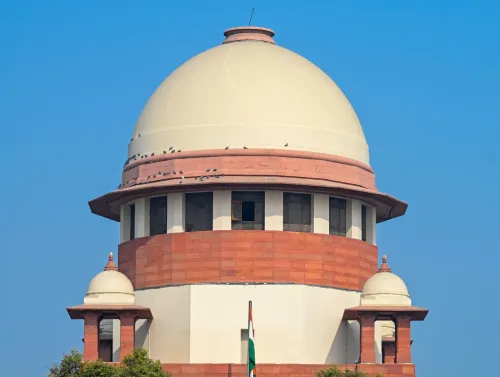
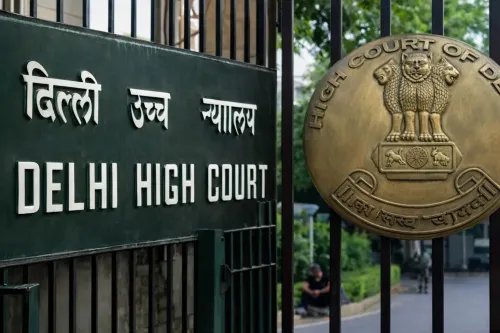
The Supreme Court on Tuesday, 15 September 2026, disposed of a special leave petition filed by former National Stock Exchange (NSE) Managing Director and CEO Chitra Ramkrishna, ruling that the question of whether she qualifies as a 'public servant' under the Prevention of Corruption Act, 1988 must be decided by the trial court on the basis of evidence. The apex court found no legal infirmity in the Delhi High Court judgment that had earlier dismissed Ramkrishna's petition seeking relief from prosecution.
What the Supreme Court Held
A bench of Justice J.B. Pardiwala and Justice K. Vinod Chandran stated it found no error, 'not to speak of any error of law', in the Delhi High Court's ruling. The bench directed the trial court to decide the public servant question independently and without being influenced by any observations made by the High Court.
'We are of the view that this point can be raised in the course of the trial before the trial court by leading appropriate evidence in that regard,' the Justice Pardiwala-led bench observed, closing the matter at the Supreme Court level for now.
Ramkrishna's Core Argument
Ramkrishna had contended before the courts that the NSE is a private, non-government entity engaged in the trading, clearing, and settlement of securities. On that basis, she argued she could not be said to have discharged any 'public duty' or be classified as a public servant under Section 2(c) of the Prevention of Corruption Act. She had also challenged the sanction orders issued by the NSE and the trial court's order taking cognisance of the case, in addition to seeking quashing of proceedings against her.
The Delhi High Court, in its judgment dated 9 July, had dismissed these contentions, holding that whether Ramkrishna was performing a public duty during her management of the NSE — and the extent of her control over its day-to-day functioning and policy decisions — were matters requiring evidence and could not be resolved at a preliminary stage. A bench of Justice Navin Chawla and Justice Ravinder Dudeja had similarly made clear that its observations would not bind the trial court.
The Co-location Scandal: Background
The case stems from allegations that certain NSE officials provided preferential access to select brokers during Ramkrishna's tenure — specifically, access to information on server switch-on times and technologically advanced, less-crowded servers through the exchange's co-location facility. The Central Bureau of Investigation (CBI) filed a charge sheet alleging she was a 'public servant' who entered into a criminal conspiracy, granted preferential access to certain brokers, and abused her position in connection with the appointment and remuneration of Anand Subramanian, then Group Operating Officer and Advisor to the MD.
Ramkrishna had served as Joint Managing Director of the NSE from 2009 to March 2013 and subsequently as its CEO and Managing Director before resigning on 2 December 2016 following complaints related to the alleged misuse of co-location facilities.
NSE Board's Nuanced Sanction
The NSE Board had granted sanction for Ramkrishna's prosecution but issued a notable clarification: granting sanction did not amount to an acceptance that its personnel were public servants or that the NSE was covered under the Prevention of Corruption Act. This distinction is likely to feature prominently when the trial court takes up the issue on merits.
What Happens Next
With the Supreme Court declining to intervene, the trial court is now the primary arena for resolving the pivotal 'public servant' question — a determination that could significantly shape the scope and outcome of the broader NSE co-location corruption case. The verdict on this threshold issue will have wider implications for how India's financial regulators and exchange officials are treated under anti-corruption law.
Point of View
With consequences well beyond the NSE. Given that exchanges like NSE hold systemic power over capital markets and millions of retail investors, the case for treating senior officials as public servants is not frivolous — but it is untested.
NationPress
15 Sept 2026
Frequently Asked Questions
What did the Supreme Court decide in the Chitra Ramkrishna NSE co-location case?
The Supreme Court disposed of Chitra Ramkrishna's special leave petition on 15 September 2026, declining to interfere with the Delhi High Court's ruling. It directed the trial court to independently decide whether she qualifies as a 'public servant' under the Prevention of Corruption Act, based on evidence led during the trial.
What is the NSE co-location case about?
The NSE co-location case involves allegations that certain officials of the National Stock Exchange provided select brokers with preferential access to the exchange's co-location servers — including information on server switch-on times and access to less-crowded servers — giving those brokers an unfair trading advantage. The CBI filed a charge sheet implicating Chitra Ramkrishna, among others.
Why does Chitra Ramkrishna's 'public servant' status matter?
The Prevention of Corruption Act, 1988 applies primarily to public servants. If Ramkrishna is determined to be a public servant, the full weight of the Act's offences and penalties applies to her. If not, the CBI's case on those specific charges could be significantly weakened. The trial court's ruling on this issue will set an important precedent for how private exchange officials are treated under Indian anti-corruption law.
What was Chitra Ramkrishna's argument before the courts?
Ramkrishna argued that the NSE is a private, non-government company engaged in trading, clearing, and settlement of securities, and that she therefore could not be classified as a public servant or be said to have discharged a public duty. She also challenged the NSE's sanction order for her prosecution and the trial court's cognisance order.
What position did the NSE Board take on the prosecution sanction?
The NSE Board granted sanction for Ramkrishna's prosecution but explicitly stated that doing so did not amount to an acceptance that its personnel were public servants or that the NSE itself was covered by the Prevention of Corruption Act — a distinction it reserved for the courts to determine.