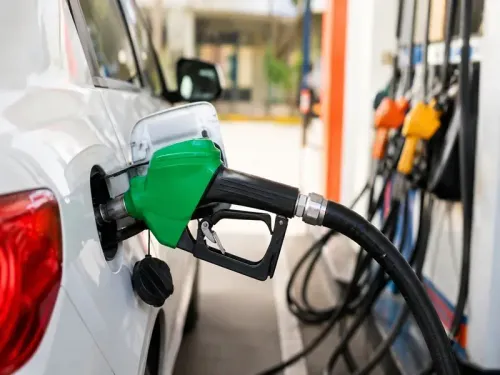
E20 fuel compatibility: Only pre-2016 BS-III vehicles may need minor part replacements, says Gadkari
Synopsis
India's E20 ethanol-blended petrol rollout is technically safe for nearly all vehicles, according to Nitin Gadkari — with one narrow exception: pre-2016 BS-III vehicles may need routine rubber part swaps. The reassurance, backed by studies from Indian Oil, ARAI, and SIAM, is the government's clearest signal yet that the fuel transition does not require costly engine overhauls for Indian motorists.
Key Takeaways
Nitin Gadkari told the Rajya Sabha on Wednesday that no engine modifications are needed for most vehicles to run on E20 petrol .
Only BS-III vehicles introduced from 1 April 2005 and manufactured before 2016 may need certain rubber parts and gaskets replaced — manageable during routine servicing.
Studies by Indian Oil Corporation , IIP Dehradun , SIAM , and ARAI found no significant performance loss or abnormal wear in older vehicles on E20 fuel.
An Inter-Ministerial Committee set up by NITI Aayog on 26 December 2020 validated vehicle compatibility; its 'Roadmap for Ethanol Blending in India 2020-25' was released in June 2021 .
Gadkari noted that ethanol-blended fuel has been in global use for over a century, with Brazil running on higher blends for decades.
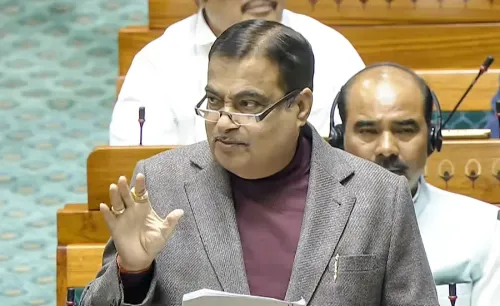
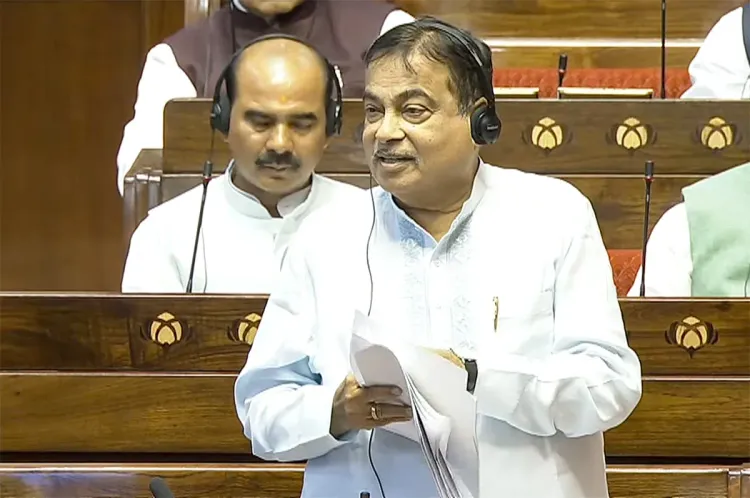
Road Transport and Highways Minister Nitin Gadkari on Wednesday told the Rajya Sabha that only certain Bharat Stage (BS)-III vehicles introduced from 1 April 2005 and manufactured before 2016 may need minor rubber parts and gaskets replaced before running on E20 petrol. For the vast majority of vehicles on Indian roads, no engine modifications are required to switch to the 20% ethanol-blended fuel.
What the Studies Found
In a written reply to a question in the Upper House, Gadkari cited extensive research conducted by Indian Oil Corporation, the Indian Institute of Petroleum (IIP) in Dehradun, the Society of Indian Automobile Manufacturers (SIAM), and the Automotive Research Association of India (ARAI). The studies concluded that engines of neither cars nor two-wheelers require modification for E20 use.
Crucially, even older vehicles showed no significant deterioration in performance or abnormal wear and tear after running on E20 fuel. 'No issues were reported in parameters such as drivability, startability, metal compatibility, and plastic compatibility,' Gadkari stated.
The Limited Exception: Pre-2016 BS-III Vehicles
The sole caveat flagged by the minister concerns BS-III vehicles manufactured before 2016. For these, certain rubber components and gaskets may need to be swapped out — a task Gadkari described as easily manageable within a vehicle's routine servicing schedule, requiring no specialised intervention or workshop visit.
This is a narrow category: BS-III emission norms were phased out and replaced by BS-IV standards from April 2017, meaning the affected vehicles are now at least eight years old and represent a declining share of active registrations.
Mileage Concerns Addressed
Gadkari also pushed back on concerns about fuel efficiency, noting that automobile manufacturers and vehicle-testing agencies have clarified that mileage depends on multiple factors and cannot be attributed solely to E20 fuel. The minister did not provide specific mileage-impact figures, consistent with the findings that no single variable can be isolated.
Policy Backing and Global Precedent
The minister pointed to an Inter-Ministerial Committee constituted by NITI Aayog on 26 December 2020, which comprehensively examined vehicle compatibility, mileage, and efficiency aspects of ethanol blending. Its report, titled 'Roadmap for Ethanol Blending in India 2020-25', was released in June 2021 — before E20 fuel was formally introduced — and covered material compatibility, engine calibration, fuel systems, drivability, durability, emissions, and fuel efficiency after consultations with automakers, oil marketing companies, and agricultural experts.
Gadkari described the Ethanol Blended Petrol (EBP) Programme as implemented through a 'phased, calibrated, scientifically validated and consultative approach.' He also noted that ethanol-blended fuel has been used globally for over a century, with countries such as Brazil operating on even higher ethanol blends for decades — lending further confidence to India's transition.
As India pushes toward its broader energy transition goals, the government's position is that the E20 rollout is technically sound for nearly all vehicles currently in use, with only a small, ageing cohort requiring any attention at all.
Point of View
Anxieties over engine damage and mileage loss have circulated widely, particularly among owners of older two-wheelers. The government's answer — backed by four institutional studies — is that the concern is overstated for the overwhelming majority of vehicles. The real policy gap, however, is outreach: millions of pre-2016 BS-III vehicle owners may not know they fall into the exception category, and 'manageable during routine servicing' only works if mechanics and service centres are actually prepared to handle it. The EBP Programme's credibility now depends as much on last-mile communication as on laboratory validation.
NationPress
29 Jul 2026
Frequently Asked Questions
Do I need to modify my vehicle's engine to use E20 petrol?
No. Studies by Indian Oil Corporation, ARAI, and SIAM found that engines of neither cars nor two-wheelers require modification for E20 fuel. The only exception is certain BS-III vehicles manufactured before 2016, which may need minor rubber parts and gaskets replaced during routine servicing.
Which vehicles may need parts replaced for E20 fuel compatibility?
Only BS-III vehicles introduced from 1 April 2005 and manufactured before 2016 may require certain rubber parts and gaskets to be swapped. Gadkari clarified this can be handled during a standard service visit and does not require specialised repairs.
Does E20 petrol reduce mileage?
The government says mileage depends on multiple factors and cannot be attributed solely to E20 fuel. Automobile manufacturers and vehicle-testing agencies have echoed this position, though no specific comparative mileage figures were provided in the minister's statement.
What is the government's policy basis for E20 fuel introduction?
An Inter-Ministerial Committee constituted by NITI Aayog on 26 December 2020 examined vehicle compatibility, mileage, and efficiency. Its report, 'Roadmap for Ethanol Blending in India 2020-25', released in June 2021, covered engine calibration, material compatibility, emissions, and durability after consultations with automakers, oil firms, and agricultural experts.
Is ethanol-blended fuel proven globally?
Yes. Gadkari noted that ethanol-blended petrol has been used worldwide for over a century, with Brazil among the countries that have operated on even higher ethanol blends for decades, providing a long track record of safety and compatibility.