ONORC crosses 233 crore portability transactions, covers 78.65 crore beneficiaries
Synopsis
India's ONORC scheme has quietly crossed a landmark: 233 crore portability transactions, 78.65 crore beneficiaries fully digitised, and 2.58 crore duplicate ration card entries scrubbed from the system. The numbers reveal not just reach, but a fundamental restructuring of how subsidised food reaches India's most mobile and vulnerable citizens.
Key Takeaways
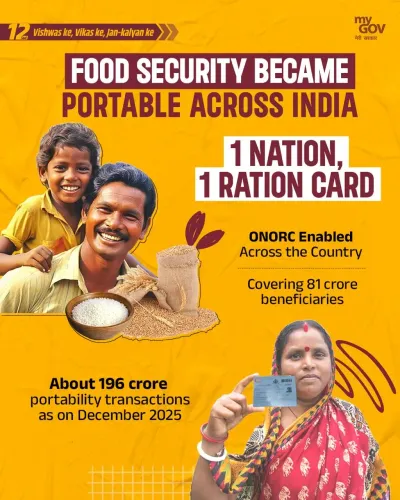
The One Nation One Ration Card (ONORC) scheme has enabled over 233 crore portability transactions since its 2019 launch.
The system processes around 3.27 crore transactions per month and has distributed over 614 lakh metric tonnes of foodgrains through portability.
As of October 2026 , beneficiary databases are 100% digitised across all states and UTs, covering 78.65 crore beneficiaries.
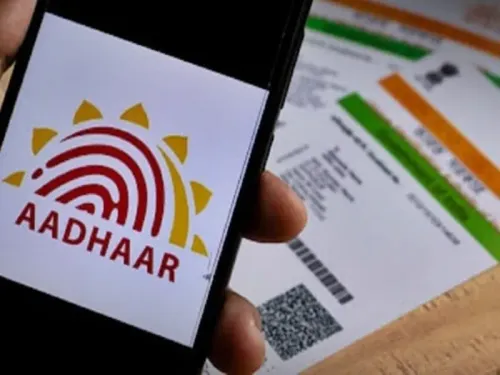
98.8 per cent of ration cards ( 20.27 crore ) are Aadhaar-seeded; e-KYC completed for 91 per cent of beneficiaries as of 30 September 2026 .
99.8 per cent of 5.51 lakh Fair Price Shops are e-PoS enabled; supply chains computerised in 31 states and UTs .
Data analytics flagged 5.95 crore suspicious records, resulting in deletion of 2.58 crore duplicate or ineligible entries.
The One Nation One Ration Card (ONORC) initiative has recorded over 233 crore inter-state and intra-state portability transactions since its launch in 2019, according to an official factsheet released on Thursday, 12 November 2026. The scheme, administered by the Department of Food and Public Distribution, has enabled the distribution of more than 614 lakh metric tonnes of subsidised foodgrains through portability mechanisms, strengthening last-mile welfare delivery across the country.
Scale of Coverage
The system currently processes approximately 3.27 crore portability transactions every month, underscoring the scale of its adoption. As of October 2026, ration card and beneficiary databases are 100 per cent digitised across all states and Union Territories, covering around 78.65 crore beneficiaries. These databases are publicly accessible through transparency portals maintained by respective states and UTs.
Aadhaar Integration and e-KYC Progress
Out of 20.51 crore ration cards in the Central System, 98.8 per cent — or 20.27 crore cards — have been seeded with Aadhaar. The total number of beneficiaries linked to Aadhaar stands at 76.97 crore. Additionally, e-KYC has been completed for 71.52 crore beneficiaries, representing 91 per cent of the total beneficiary base as of 30 September 2026.
Fair Price Shops and Supply Chain Digitisation
Online foodgrain allocation has been implemented nationwide, while supply chains have been computerised in 31 states and UTs. Of the total 5.51 lakh Fair Price Shops (FPSs) across the country, 99.8 per cent — approximately 5.50 lakh — are now operational with electronic Point-of-Sale (e-PoS) devices, enabling biometric-authenticated transactions at the point of distribution.
Data Analytics Flags Duplicate Entries
Advanced Aadhaar and Public Distribution System (PDS) data analytics flagged 5.95 crore suspicious records in the beneficiary database, leading to the deletion of 2.58 crore duplicate or ineligible entries. This cleansing exercise has improved targeting accuracy under the National Food Security Act (NFSA) and reduced leakages in subsidised grain distribution. Notably, this is one of the largest beneficiary-verification drives in Indian welfare administration.
What ONORC Means for Migrant Workers
The ONORC scheme was specifically designed to address the food security needs of India's migrant population, who previously lost access to subsidised rations when moving across state lines. Under the Targeted Public Distribution System (TPDS) reform framework, the initiative allows any registered beneficiary to claim entitled foodgrains from any fair price shop in the country using biometric authentication. This comes amid continued urbanisation and seasonal labour migration patterns that affect tens of millions of workers annually.
Going forward, the government is expected to deepen digital authentication layers and expand supply chain computerisation to remaining states and UTs, with beneficiary-centric delivery remaining the stated policy priority.
Point of View
But the more consequential number is 2.58 crore — the duplicate and ineligible entries removed through data analytics. Leakage, not reach, has historically been the PDS's Achilles heel, and the scale of that deletion exercise signals a maturing system. Yet the 9 per cent gap in e-KYC completion — roughly 7 crore beneficiaries still unverified — deserves scrutiny: exclusion errors in welfare systems tend to fall hardest on the most marginalised. The government's next accountability test is not how many transactions the system logs, but how many eligible beneficiaries it still fails to reach.
NationPress
12 Nov 2026
Frequently Asked Questions
What is the One Nation One Ration Card (ONORC) scheme?
The One Nation One Ration Card (ONORC) scheme, launched in 2019 by the Department of Food and Public Distribution, allows beneficiaries under the National Food Security Act to access their entitled subsidised foodgrains from any Fair Price Shop in the country using biometric authentication. It was introduced primarily to extend food security to India's migrant population, who previously lost ration access when crossing state lines.
How many transactions has ONORC recorded so far?
As of November 2026, ONORC has recorded over 233 crore inter-state and intra-state portability transactions since its launch, with approximately 3.27 crore transactions processed every month. The scheme has facilitated distribution of more than 614 lakh metric tonnes of foodgrains through portability mechanisms.
How many ration cards are Aadhaar-seeded under ONORC?
Out of 20.51 crore ration cards in the Central System, 98.8 per cent — or 20.27 crore cards — have been seeded with Aadhaar as of October 2026. The total number of individual beneficiaries linked to Aadhaar stands at 76.97 crore.
What action has been taken against duplicate or ineligible ration card entries?
Advanced Aadhaar and PDS data analytics identified 5.95 crore suspicious records in the beneficiary database, leading to the deletion of 2.58 crore duplicate or ineligible entries. This exercise is aimed at improving targeting accuracy and reducing leakages in subsidised grain distribution.
How widely have e-PoS devices been deployed at Fair Price Shops?
Of the 5.51 lakh Fair Price Shops across India, 99.8 per cent — approximately 5.50 lakh shops — are now operational with electronic Point-of-Sale (e-PoS) devices that enable biometric-authenticated grain distribution. Supply chains have additionally been computerised in 31 states and UTs.