Pakistan hikes petrol by PKR 6.39, diesel by PKR 7.83 per litre
Synopsis
Pakistan has scrapped its weekly fuel pricing cycle in favour of daily OGRA-driven revisions — and the first visible consequence is a PKR 6.39 petrol hike and PKR 7.83 diesel hike effective 23 July. With transport fares already up 15–20 per cent and a nationwide petrol pump strike threatened, the new mechanism is testing public tolerance at speed.
Key Takeaways
Pakistan raised petrol prices by PKR 6.39 to PKR 327.12 per litre and HSD by PKR 7.83 to PKR 375.04 per litre , effective 23 July .
The Petroleum Division notification confirmed the new rates; the change follows a shift to a daily fuel pricing mechanism announced on 17 July .
OGRA now sets prices daily based on a seven-day rolling average of international market rates, without ministerial approval.
Public transport fares in Rawalpindi and Islamabad rose 15–20 per cent ; freight on the Karachi–Peshawar route reportedly reached PKR 800,000 .
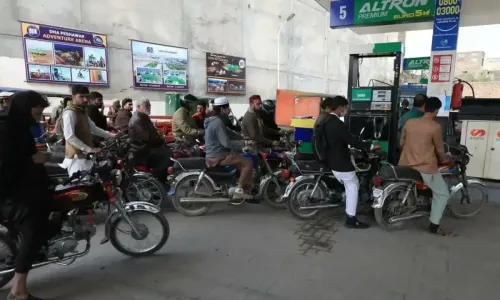
Petrol pump operators issued a nationwide strike threat over the rapid-revision policy.
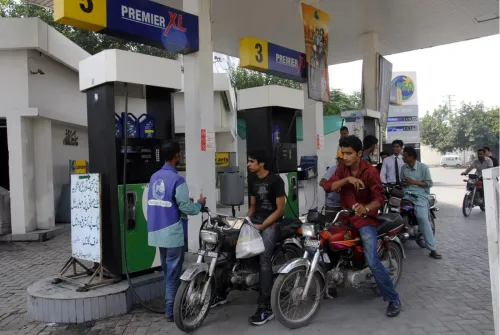
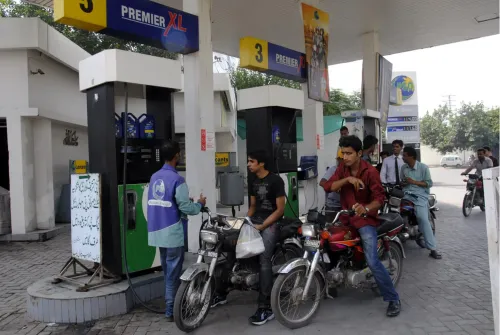
Pakistan has raised the price of petrol by PKR 6.39 per litre and high-speed diesel (HSD) by PKR 7.83 per litre, effective Thursday, 23 July, according to a notification issued by the country's Petroleum Division. The revised rates push petrol to PKR 327.12 per litre and HSD to PKR 375.04 per litre, adding fresh pressure on consumers and transport operators already reeling from repeated fuel price increases.
The New Pricing Mechanism
The hike follows a structural shift in how Pakistan sets fuel prices. On 17 July, Petroleum Minister Ali Pervaiz Malik and Information Minister Atta Tarar jointly announced that the government had moved from a weekly revision cycle to a daily pricing mechanism. Under the new system, the Oil and Gas Regulatory Authority (OGRA) publishes updated rates on its website each day, based on a seven-day rolling average of international market prices. Malik stated that adjustments would occur automatically in line with global trends, without requiring approval from any minister.
Ripple Effect on Transport Fares
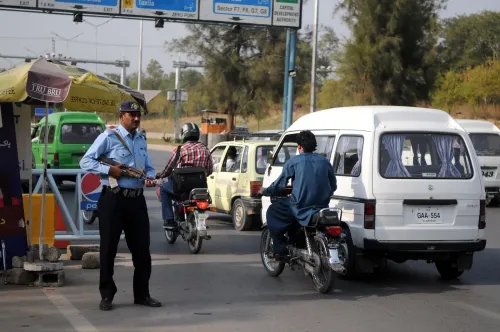
The cascading impact on commuters has been swift and steep. Following the earlier 17 July price revision, transport operators in Rawalpindi and Islamabad raised fares with immediate effect. Public transport fares climbed by 15 to 17 per cent, while goods transport operators increased freight charges by 20 per cent. The minimum stop-to-stop fare on public transport in Rawalpindi and Islamabad has been raised to PKR 60.
Long-haul logistics have also been hit hard. Freight charges for container, trailer, and wheeler transport on the Karachi–Peshawar corridor reportedly rose to PKR 800,000. Pick-and-drop services for office workers and students have announced that their charges will now move in tandem with every fuel price revision.
Industry Backlash and Strike Threat
The government's policy of frequent fuel price revisions has drawn sharp resistance from the transport sector. Petrol pump operators issued a nationwide strike threat last week, citing operational uncertainty caused by the rapid-fire pricing changes. Transport associations across Rawalpindi and Islamabad have said fares will be adjusted automatically whenever fuel prices are revised — effectively indexing the cost of daily commutes to global crude markets.
Inter-city fares in Rawalpindi district were raised by 15 per cent, intra-district routes by 17 per cent, services between Rawalpindi and Islamabad by 20 per cent, and long-distance operators by 17 per cent, according to transport associations.
What This Means Going Forward
Pakistan's shift to daily fuel pricing ties domestic costs directly to volatile international crude benchmarks, removing the buffer that weekly or fortnightly cycles once provided. With OGRA now empowered to revise rates without ministerial sign-off, consumers and businesses face a new reality of near-continuous price uncertainty. How the government manages the political fallout — particularly from the transport lobby and urban commuters — will be a key test of the new mechanism's durability.
Point of View
But it effectively exports crude-market volatility directly onto household budgets with no smoothing mechanism. The 15–20 per cent transport fare hikes that followed the 17 July revision arrived within days — a preview of how quickly price signals now transmit to the urban poor and daily-wage commuters. The nationwide strike threat from petrol pump operators signals that even industry intermediaries find the pace destabilising. Islamabad is betting that OGRA's technocratic credibility can absorb political heat that ministers no longer want to own — a bet that looks shaky when freight costs between Karachi and Peshawar jump to PKR 800,000 in a single cycle.
NationPress
23 Jul 2026
Frequently Asked Questions
By how much has Pakistan raised petrol and diesel prices on 23 July?
Pakistan raised petrol prices by PKR 6.39 per litre to PKR 327.12 and high-speed diesel by PKR 7.83 per litre to PKR 375.04, effective 23 July, according to the Petroleum Division's notification.
What is Pakistan's new daily fuel pricing mechanism?
Announced on 17 July by Petroleum Minister Ali Pervaiz Malik, the daily pricing mechanism empowers OGRA to publish revised fuel rates every day based on a seven-day rolling average of international market prices, removing the need for ministerial approval.
How have transport fares changed after the fuel price hike?
Following the 17 July revision, public transport fares in Rawalpindi and Islamabad rose 15–20 per cent, goods freight charges increased 20 per cent, and the minimum stop-to-stop fare was raised to PKR 60. Transport associations have said fares will move with every future fuel revision.
Why did petrol pump operators threaten a nationwide strike?
Petrol pump operators threatened a nationwide strike over the government's policy of frequent fuel price revisions, arguing that the rapid changes create operational uncertainty for pump owners and the broader transport sector.
What is the freight charge for Karachi–Peshawar transport after the hike?
According to reports, the freight charge for container, trailer, and wheeler transport between Karachi and Peshawar reportedly rose to PKR 800,000 following the recent fuel price increases.