Pakistan missed $8bn FDI opportunity from China under CPEC

Synopsis
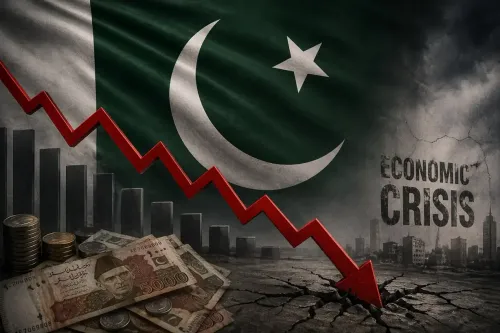
Pakistan's Investment Minister has publicly admitted the country lost over $8 billion in Chinese FDI and 500,000 jobs between 2018 and 2024 — a damning self-indictment of CPEC's industrial phase, where only four of the planned Special Economic Zones ever moved beyond paper.
Key Takeaways
Pakistan lost over $8 billion in FDI, mostly from China , between 2018 and 2024 , according to Investment Minister Qaiser Ahmed Sheikh .
An estimated 500,000 industrial jobs were not created due to failure to develop planned SEZs .
Only four SEZs have moved beyond the planning stage in over a decade of CPEC .
Firms that did enter Pakistan largely targeted the domestic market rather than establishing export-oriented manufacturing bases.
Competing economies such as Vietnam and Bangladesh have outpaced Pakistan in attracting labour-intensive manufacturing relocation.
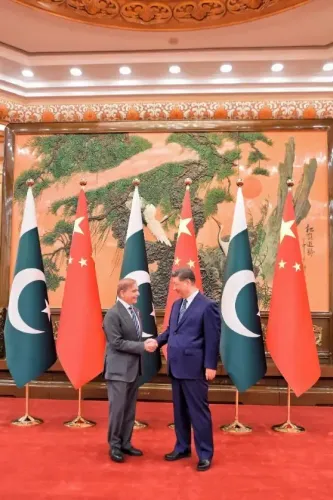
Pakistan's Investment Minister Qaiser Ahmed Sheikh has admitted that the country lost an opportunity to attract over $8 billion in foreign direct investment (FDI), predominantly from China, and generate 500,000 industrial jobs between 2018 and 2024, according to a report in Pakistani media. The admission is being read as an indictment of successive governments that have presided over the China-Pakistan Economic Corridor (CPEC) initiative since its launch.
What Pakistan's Minister Admitted
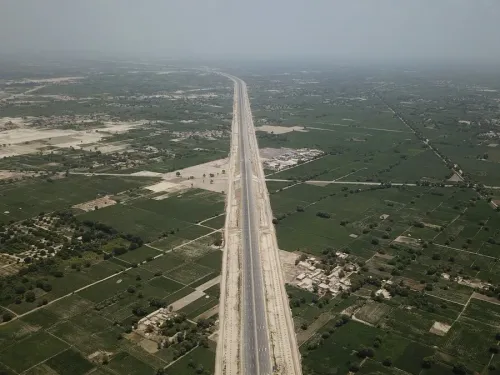
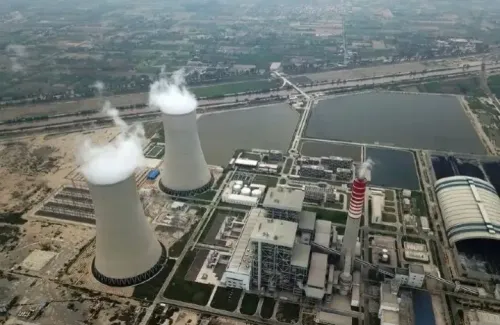
Sheikh's acknowledgement points to a structural failure at the heart of Pakistan's economic strategy. While Islamabad successfully secured significant Chinese debt financing for large energy and transport infrastructure projects during the early phase of CPEC, it failed to develop the planned Special Economic Zones (SEZs) that were central to attracting private Chinese capital and facilitating industrial relocation. According to reports citing the Dawn, only four SEZs have moved beyond the planning stage in over a decade — a stark measure of the execution gap.
The SEZ Failure and Its Consequences
The gap between ambition and delivery is difficult to overlook. Policymakers repeatedly emphasised infrastructure and energy projects but consistently deferred industrial development as a
Point of View
000 jobs are not just statistics; they represent a decade of policy drift where CPEC's industrial promise was perpetually deferred to a 'second phase' that was never actually prepared for. The deeper problem is structural: Pakistan's economic policymaking has historically lurched between crisis management and headline diplomacy, leaving long-term industrialisation strategies without institutional champions. With Vietnam and Bangladesh having already locked in supply chain relationships that Pakistan coveted, the window is narrowing fast — and a ministerial admission, however candid, is not a substitute for the credible, predictable policy ecosystem that foreign investors actually require.
NationPress
23 Sept 2026
Frequently Asked Questions
How much FDI did Pakistan lose under CPEC?
Pakistan's Investment Minister Qaiser Ahmed Sheikh has admitted the country missed out on over $8 billion in foreign direct investment, primarily from China, between 2018 and 2024. This was largely due to the failure to develop planned Special Economic Zones that were meant to attract private Chinese capital.
Why did Pakistan fail to attract Chinese industrial investment under CPEC?
Pakistan failed to develop the Special Economic Zones (SEZs) that were central to the CPEC industrial relocation plan, with only four moving beyond the planning stage in over a decade. Successive governments prioritised energy and transport infrastructure while consistently deferring industrial development as a future phase that was never adequately prepared for.
How many jobs did Pakistan miss out on due to CPEC underperformance?
According to Investment Minister Qaiser Ahmed Sheikh, Pakistan missed the creation of approximately 500,000 industrial jobs between 2018 and 2024. These were expected to come from export-oriented Chinese manufacturers relocating to Pakistani SEZs.
How does Pakistan compare to Vietnam and Bangladesh in attracting manufacturing FDI?
Pakistan has significantly underperformed compared to Vietnam and Bangladesh, which successfully attracted labour-intensive, export-oriented manufacturing by building credible and predictable investment ecosystems. Pakistan's episodic policy attention and underdeveloped SEZs have left it unable to compete for the same supply chain relocations.
Is there still an opportunity for Pakistan to attract Chinese manufacturing investment?
Reports suggest a narrow window remains, driven by rising costs in China and global supply chain restructuring. However, analysts note this opportunity will not materialise through declarations alone and requires sustained, credible industrial policy — something Pakistan has so far failed to deliver.