Parliament passes Appropriation Bill for FY2023 excess spend of ₹54,067 crore
Synopsis
Parliament has quietly signed off on ₹54,067 crore in excess spending from FY2023 — the bulk of it, ₹53,871 crore, going toward debt repayment. The Appropriation (No. 3) Bill, 2026 completes a constitutionally mandated accountability loop, but the sheer size of the debt-repayment overrun raises questions about liability forecasting in that fiscal year.
Key Takeaways
Parliament passed the Appropriation (No.
3) Bill, 2026 on 6 August , covering excess expenditure for the financial year ended 31 March 2023 .
The Rajya Sabha returned the bill to the Lok Sabha after debate; the Lok Sabha had passed it earlier by voice vote.
Two excess demands were flagged: ₹196 crore for the Ministry of Railways and ₹53,871 crore for debt repayment .
Both items were identified by the Public Accounts Committee in its 39th report presented in April 2026 .
Finance Minister Nirmala Sitharaman confirmed the Centre spends approximately ₹13,000 crore annually on Jammu and Kashmir Police salaries and pensions.
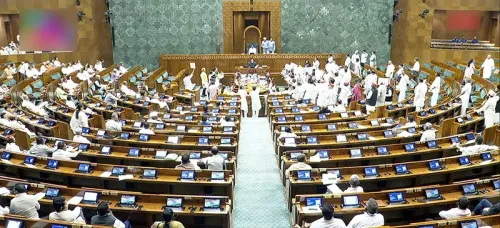
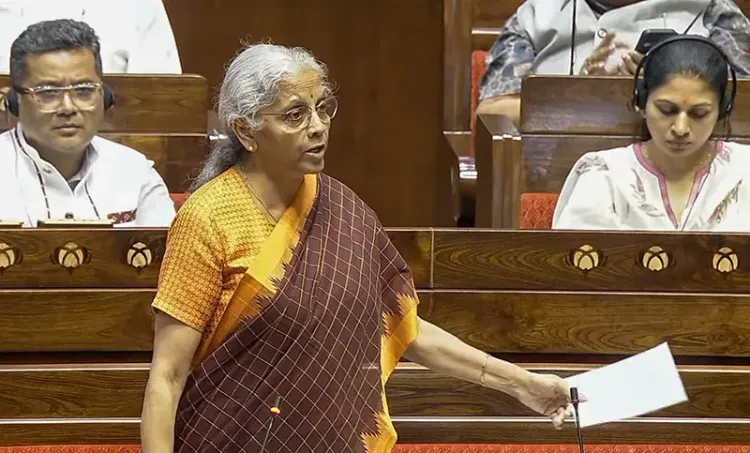
Parliament has cleared the Appropriation (No. 3) Bill, 2026, authorising expenditure from the Consolidated Fund of India to cover excess spending incurred during the financial year ended 31 March 2023. The Rajya Sabha returned the legislation to the Lok Sabha after a discussion on Thursday, 6 August, completing the bill's passage through both Houses.
Key Developments
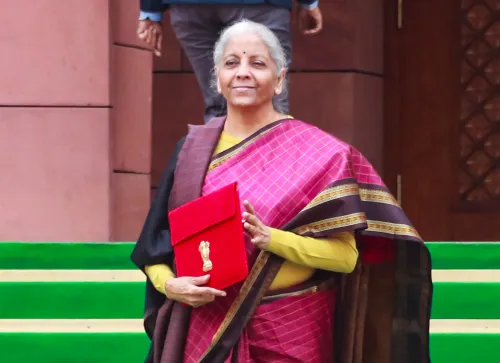
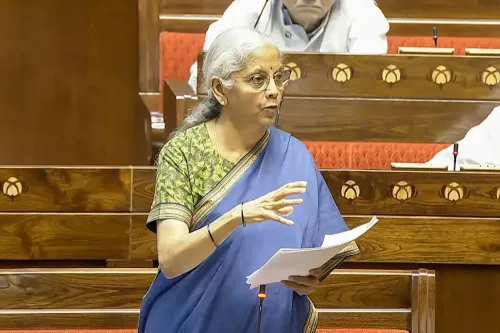
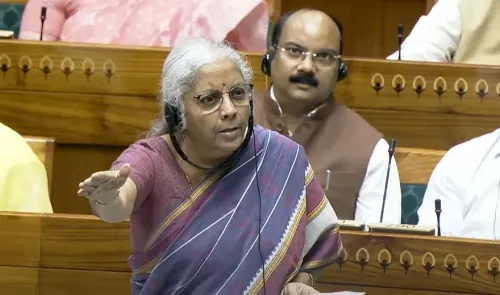
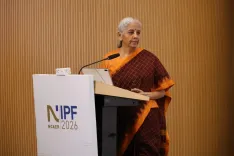
Finance Minister Nirmala Sitharaman moved the bill for consideration and return in the Upper House. In her reply to the debate, she clarified that the government was seeking approval for two specific items of excess expenditure identified by the Public Accounts Committee in its 39th report, presented to the House in April 2026.
The first excess demand — of over ₹196 crore — pertains to the Ministry of Railways. The second, and significantly larger, demand of ₹53,871 crore relates to repayment of debt. Together, the two items account for the bulk of the excess expenditure for which parliamentary authorisation was being sought.
The Lok Sabha had already passed the bill on Tuesday by a voice vote, making the Rajya Sabha's return the final procedural step.
What the Government Said
Responding to members' concerns regarding Jammu and Kashmir, Sitharaman assured the House that the government has extended substantial financial and administrative support to the Union Territory since the abrogation of Article 370 in 2019. She noted that salaries and pensions of the Jammu and Kashmir Police are being fully borne by the Central government, involving an annual expenditure of approximately ₹13,000 crore.
Voices in the House
M. Thambidurai of the All India Anna Dravida Munnetra Kazhagam (AIADMK) supported the bill, citing the government's initiatives in infrastructure development, digital governance, manufacturing, connectivity, and welfare schemes as drivers of economic growth and improved public service delivery.
Bhashyam Rama Krishna of the Telugu Desam Party (TDP) also backed the legislation, asserting that India's macroeconomic fundamentals remain strong on account of sustained reforms, prudent fiscal management, and consistent policy implementation — even amid global uncertainty.
Why It Matters
Appropriation bills for excess expenditure are a constitutional requirement under Article 115 of the Indian Constitution, ensuring that any spending beyond what was originally budgeted receives retrospective parliamentary approval. The Public Accounts Committee's scrutiny role in flagging such overruns is a key accountability mechanism. Notably, the debt repayment demand of ₹53,871 crore dwarfs the Railways item, pointing to the scale of liability management the Centre undertook in FY2023.
With both Houses now having cleared the bill, the authorisation process for the FY2023 excess expenditure is complete.
Point of View
But the composition of the demand is not. A debt-repayment overrun of ₹53,871 crore — nearly 275 times the Railways item — suggests that liability projections for FY2023 were materially off. Parliament's approval is constitutionally required, but the Public Accounts Committee's scrutiny is where the real accountability lies; the 39th report's findings deserve closer public attention than the bill's voice-vote passage implies. The J&K police expenditure figure of ₹13,000 crore annually, mentioned almost in passing, is also a significant fiscal commitment that rarely gets standalone scrutiny.
NationPress
6 Aug 2026
Frequently Asked Questions
What is the Appropriation (No. 3) Bill, 2026?
The Appropriation (No. 3) Bill, 2026 is legislation that seeks retrospective parliamentary authorisation for excess expenditure incurred from the Consolidated Fund of India during the financial year ended 31 March 2023. It covers two specific demands totalling over ₹54,067 crore, as identified by the Public Accounts Committee.
Why does Parliament need to approve past excess expenditure?
Under Article 115 of the Indian Constitution, any government spending beyond the amounts originally approved by Parliament requires subsequent parliamentary authorisation through an appropriation bill. This is a constitutional accountability mechanism to ensure executive spending remains under legislative oversight.
What are the two excess demands covered in the bill?
The first demand is for over ₹196 crore pertaining to the Ministry of Railways. The second, and much larger, demand is ₹53,871 crore related to repayment of debt. Both were flagged by the Public Accounts Committee in its 39th report presented in April 2026.
What did Finance Minister Nirmala Sitharaman say about Jammu and Kashmir?
Sitharaman assured the Rajya Sabha that the Centre has provided substantial financial and administrative support to Jammu and Kashmir since the abrogation of Article 370 in 2019. She stated that the Central government fully bears the salaries and pensions of the Jammu and Kashmir Police, amounting to approximately ₹13,000 crore annually.
When did Parliament pass the Appropriation (No. 3) Bill, 2026?
The Lok Sabha passed the bill by voice vote on Tuesday, and the Rajya Sabha returned it to the Lok Sabha after discussion on Thursday, 6 August, completing the legislative process in both Houses.