Piyush Goyal gifts Sanganeri shawls to BRICS ministers on Handloom Day
Synopsis
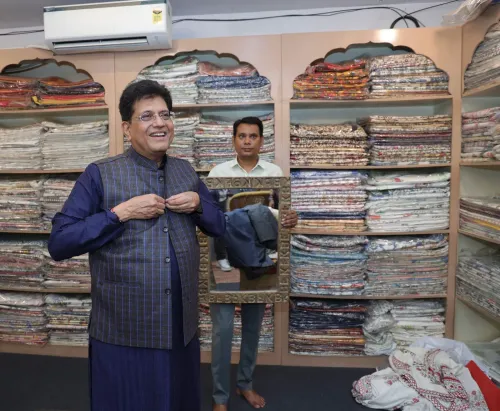
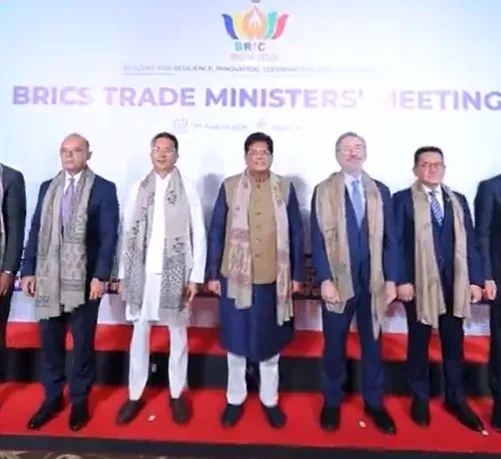
At the 16th BRICS Trade Ministers' Meeting in Jaipur, Commerce Minister Piyush Goyal turned National Handloom Day into a moment of cultural diplomacy — gifting hand-printed Sanganeri shawls to international delegates and putting a centuries-old Rajasthani craft tradition on a global multilateral stage.
Key Takeaways
Commerce Minister Piyush Goyal gifted Jaipur Sanganeri shawls to BRICS delegates on 7 August 2026 , National Handloom Day.
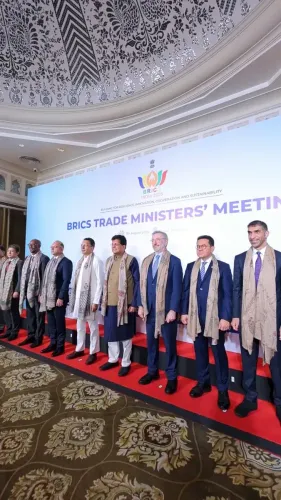
The presentation took place at the 16th BRICS Trade and Industry Ministers' Meeting in Jaipur , hosted under India's BRICS Chairship 2026 .
Goyal posted 'Proudly Indian, Proudly Sanganeri' on X , describing the shawls as a tribute to Rajasthan's textile tradition.
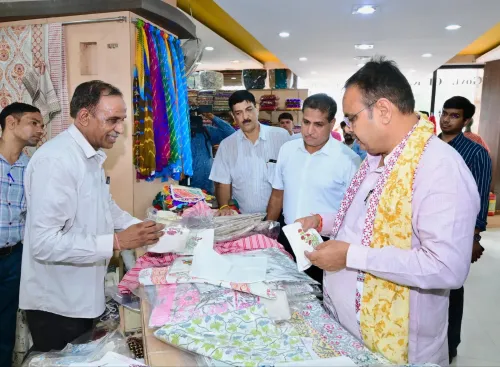
Sanganeri textiles, originating from Sanganer near Jaipur, are known for hand-block printing, natural dyes, and floral motifs.
The gesture reflected the government's 'Vocal for Local' initiative, promoting indigenous crafts on global platforms.
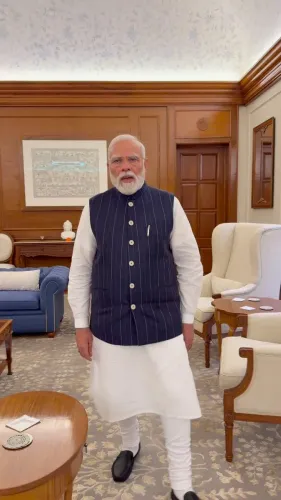
Union Commerce and Industry Minister Piyush Goyal on 7 August 2026 presented hand-printed Jaipur Sanganeri shawls to visiting dignitaries at the 16th BRICS Trade and Industry Ministers' Meeting in Jaipur, marking National Handloom Day with a gesture that placed Rajasthan's centuries-old textile heritage at the centre of a major multilateral gathering.
The Symbolic Gifting
Goyal shared the moment on social media platform X, posting: 'Proudly Indian, Proudly Sanganeri.' He described the hand-crafted shawls as a tribute to Rajasthan's textile tradition and the craftsmanship of local artisans. 'Our skilled artisans carry forward a legacy of unmatched, timeless craftsmanship,' he wrote.
The choice of gift was deliberate — trade ministers and senior officials from all BRICS member countries were present, making the handloom presentation a piece of cultural diplomacy on an international stage.
About the Sanganeri Craft
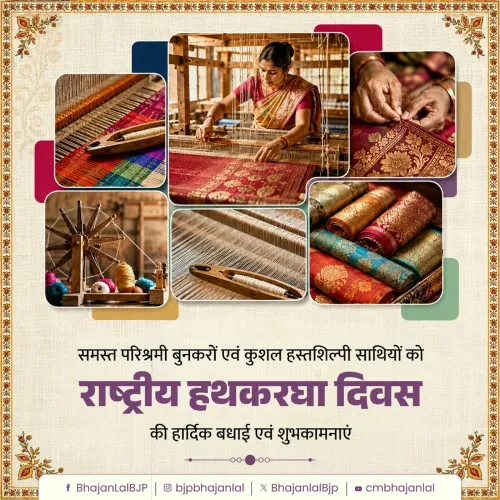
Sanganeri textiles originate from Sanganer, a town near Jaipur, and are distinguished by intricate hand-block printing, natural dyes, and elegant floral motifs. The craft holds both national and international recognition and continues to sustain thousands of artisan families across the region. Its inclusion as an official diplomatic gift signals the Indian government's intent to elevate indigenous crafts beyond domestic markets.
The BRICS Meeting Context
The gifting coincided with the successful conclusion of the 16th BRICS Trade Ministers' Meeting, hosted by India under its BRICS Chairship 2026. Discussions at the meeting centred on strengthening economic cooperation, building resilient supply chains, and advancing reforms in the multilateral trading system — areas of growing importance as global trade patterns shift amid geopolitical uncertainty.
Vocal for Local on a Global Stage
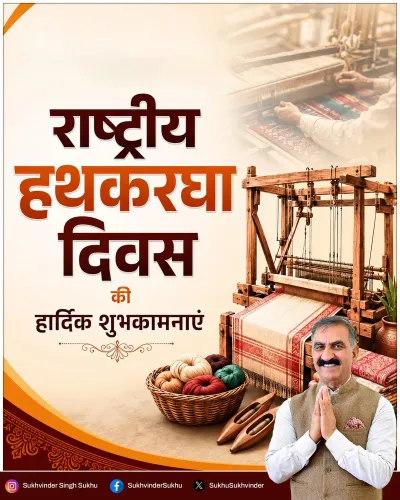
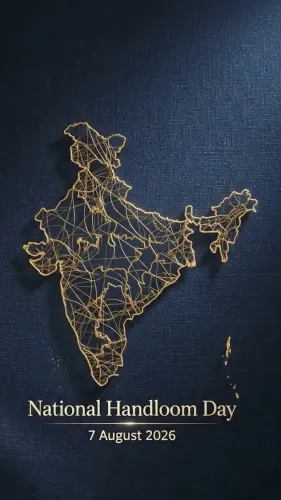
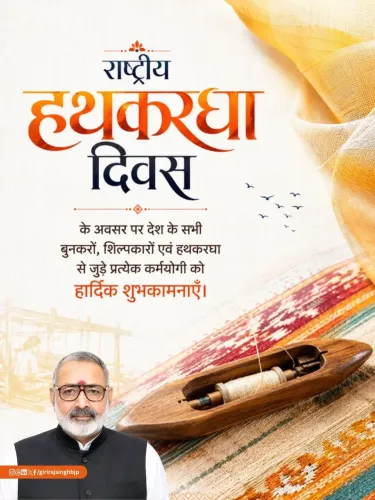
The presentation aligned with the government's 'Vocal for Local' initiative, which seeks to promote indigenous crafts and handloom products both domestically and internationally. National Handloom Day, observed every year on 7 August, honours India's weaving traditions and recognises the economic contribution of handloom weavers. By weaving the occasion into a high-profile multilateral forum, the government reinforced its message of cultural pride alongside its expanding role within the BRICS grouping.
The gesture is likely to draw further attention to Sanganeri textiles in international markets, potentially opening new export avenues for artisan communities in and around Jaipur.
Point of View
Yet artisan incomes remain precarious. The real question is whether diplomatic visibility translates into sustained procurement pipelines or market access for weavers, or whether it stays a photo opportunity. With India holding the BRICS chair, the optics are well-timed; the follow-through is what the artisan communities in Sanganer will be watching.
NationPress
7 Aug 2026
Frequently Asked Questions
Why did Piyush Goyal gift Sanganeri shawls at the BRICS meeting?
Commerce Minister Piyush Goyal gifted hand-printed Jaipur Sanganeri shawls to BRICS delegates on 7 August 2026 to mark National Handloom Day and showcase Rajasthan's textile heritage on an international platform. The gesture also reflected the government's 'Vocal for Local' initiative.
What is the 16th BRICS Trade Ministers' Meeting?
It is the annual gathering of trade ministers and senior officials from all BRICS member countries, hosted by India in Jaipur under its BRICS Chairship 2026. The meeting focused on economic cooperation, resilient supply chains, and multilateral trading system reforms.
What makes Sanganeri textiles significant?
Sanganeri textiles, originating from Sanganer near Jaipur, are renowned for intricate hand-block printing, natural dyes, and floral motifs. The craft has earned national and international recognition and supports thousands of artisan families in Rajasthan.
What is National Handloom Day and when is it observed?
National Handloom Day is observed every year on 7 August to honour India's centuries-old weaving traditions and recognise the cultural and economic contribution of handloom weavers and artisans across the country.
How does this gifting connect to India's 'Vocal for Local' initiative?
The 'Vocal for Local' initiative promotes indigenous crafts and handloom products domestically and internationally. By selecting locally crafted Sanganeri shawls as official diplomatic gifts, the government used a high-profile multilateral forum to demonstrate its commitment to elevating traditional Indian crafts on the global stage.