Maruti Suzuki's 4th plant in Kharkhoda inaugurated by Modi and Japan PM Takaichi
Synopsis
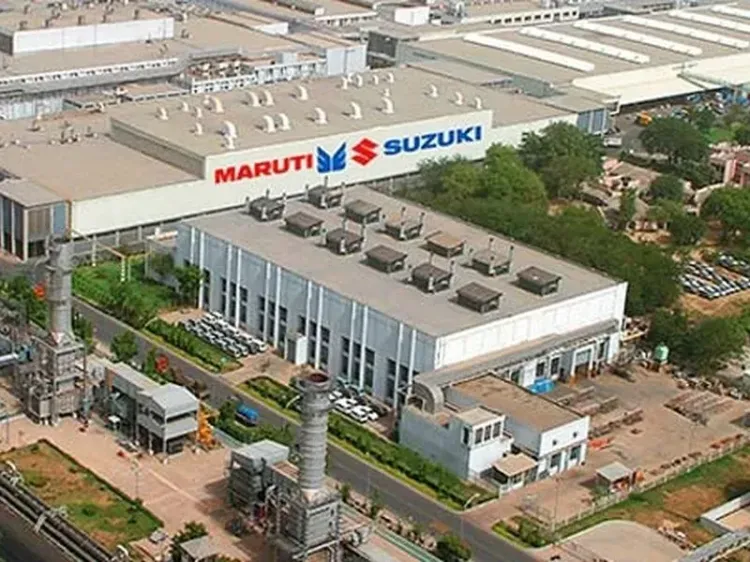
Two prime ministers, one factory floor: Modi and Japan's Takaichi jointly cut the ribbon on Maruti Suzuki's fourth Indian plant at Kharkhoda — a 10-lakh-unit-capacity facility backed by ₹35,000 crore in cumulative investment across four sites. The inauguration doubles as a statement of intent on the India-Japan economic partnership, timed to the 16th Annual Summit.
Key Takeaways
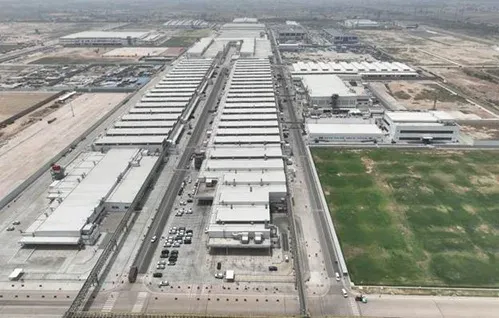
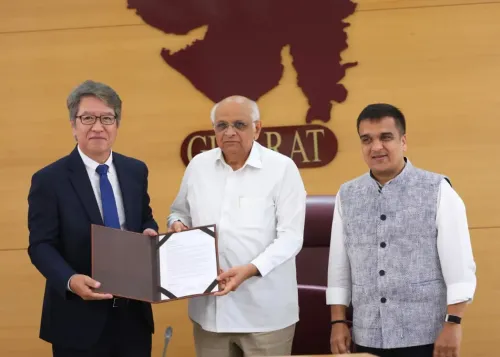
PM Narendra Modi and Japanese PM Sanae Takaichi jointly inaugurated Maruti Suzuki's fourth manufacturing plant at Kharkhoda, Haryana on 2 July .
The plant will add annual production capacity of 10 lakh passenger vehicles once fully operational.
Cumulative investment across Maruti Suzuki's four Indian plants stands at approximately ₹35,000 crore .
The inauguration supports the Centre's 'Make in India' push to position India as a global automobile manufacturing hub.
The two leaders also held the 16th India-Japan Annual Summit-level talks at Hyderabad House, New Delhi on the same day.
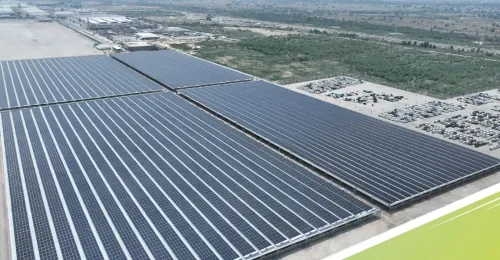
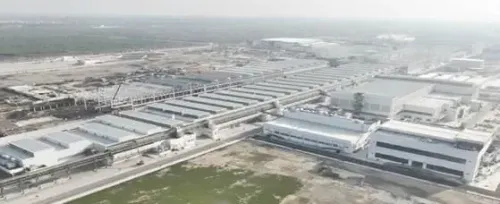
Prime Minister Narendra Modi and Japanese Prime Minister Sanae Takaichi jointly inaugurated Maruti Suzuki India's fourth automobile manufacturing plant at Kharkhoda, Haryana, on 2 July, marking a landmark moment for India's automotive sector and the deepening India-Japan strategic partnership. The new facility represents one of the largest single investments in Maruti Suzuki's history in India.
What the Kharkhoda Plant Brings
Once fully operational, the Kharkhoda plant will add an annual production capacity of 10 lakh passenger vehicles, positioning it among Maruti Suzuki's largest manufacturing centres globally. The four Maruti Suzuki manufacturing facilities in India together represent a cumulative investment of approximately ₹35,000 crore, reflecting the automaker's sustained commitment to the Indian market over four decades.
Make in India Gets a Major Push
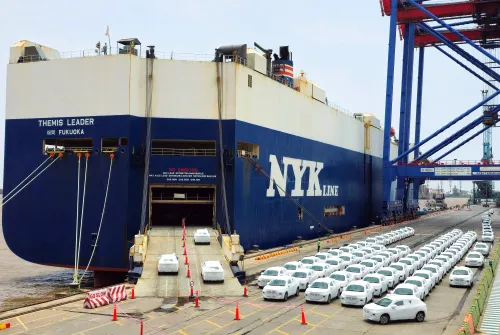
The inauguration aligns squarely with the Centre's 'Make in India' initiative, which seeks to raise India's manufacturing share of GDP and establish the country as a global hub for automobiles and auto components. The Kharkhoda unit is expected to bolster domestic production capabilities, support export ambitions, and generate significant direct and indirect employment in the Sonipat region of Haryana.
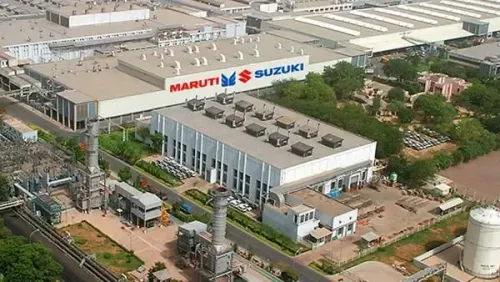
Notably, Maruti Suzuki — a joint venture between India's Maruti and Japan's Suzuki Motor Corporation — remains one of the most enduring and successful examples of Japanese foreign direct investment in India's manufacturing sector, a fact that lent symbolic weight to the joint inauguration by the two prime ministers.
India-Japan Summit on the Sidelines
Earlier on 2 July, Prime Minister Modi received Prime Minister Takaichi at Hyderabad House in New Delhi ahead of the 16th India-Japan Annual Summit-level talks. The two leaders greeted each other warmly before the bilateral meeting; Takaichi was observed bowing to the national flags of both India and Japan as the two walked towards the meeting room. The summit is expected to cover the full spectrum of bilateral cooperation, including trade, defence, technology, and infrastructure, as well as regional and global issues of mutual interest.
Strategic and Economic Significance
The Kharkhoda inauguration comes at a time when India is actively courting Japanese investment across sectors from semiconductors to green energy. The automobile sector, where Japan's presence through Suzuki has been transformative since the 1980s, remains a cornerstone of that bilateral economic relationship. Analysts note that a fully operational 10-lakh-unit plant would meaningfully raise India's total passenger vehicle output and could strengthen the country's case as an export base for right-hand-drive markets across Asia and Africa.
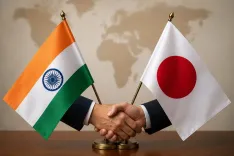
With the 16th Annual Summit set to chart the next phase of the India-Japan Special Strategic and Global Partnership, the Kharkhoda inauguration serves as a tangible anchor for the two nations' economic ambitions.
Point of View
000 crore cumulative footprint is the strongest argument India has for that pitch. Yet the real test is whether the 10-lakh-unit capacity translates into export volume or merely serves domestic demand that Maruti already dominates. With the India-Japan Summit running in parallel, New Delhi will want to leverage the optics into commitments on semiconductors and green mobility — sectors where the bilateral relationship remains underdeveloped relative to its potential.
NationPress
2 Jul 2026
Frequently Asked Questions
Where is Maruti Suzuki's new fourth plant located?
The new plant is located at Kharkhoda in Haryana's Sonipat district. It is Maruti Suzuki India's fourth manufacturing facility in the country and is expected to add an annual production capacity of 10 lakh passenger vehicles once fully operational.
How much has Maruti Suzuki invested in India across its four plants?
Maruti Suzuki's four manufacturing facilities in India together represent a cumulative investment of approximately ₹35,000 crore. The Kharkhoda plant is described as one of the company's biggest single investments in the country.
Why did Japan's Prime Minister Sanae Takaichi attend the inauguration?
Prime Minister Takaichi's participation underscores the strategic and economic ties between India and Japan, with Maruti Suzuki — a collaboration between Maruti and Japan's Suzuki Motor Corporation — being one of the most prominent examples of Japanese investment in India. Her visit also coincided with the 16th India-Japan Annual Summit-level talks in New Delhi.
What is the significance of the Kharkhoda plant for Make in India?
The plant supports the Centre's 'Make in India' initiative by expanding domestic automobile production capacity, potentially boosting exports, and generating employment in Haryana. A 10-lakh-unit annual capacity addition would meaningfully raise India's total passenger vehicle output.
What was discussed at the 16th India-Japan Annual Summit?
The 16th India-Japan Annual Summit-level talks, held at Hyderabad House in New Delhi on 2 July, were expected to cover the full spectrum of bilateral cooperation including trade, defence, technology, and infrastructure, as well as regional and global issues of mutual interest to both countries.