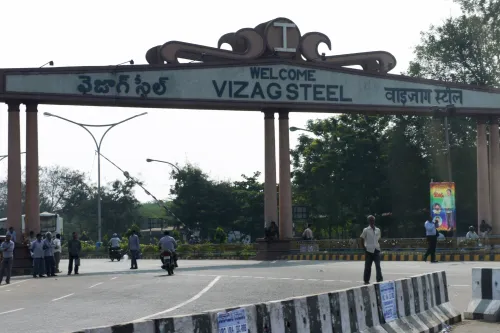
PM-SETU scheme: Visakhapatnam ITI Cluster gets first Strategic Investment Plan nod
Synopsis
India's ₹60,000 crore PM-SETU scheme has its first concrete win: the Visakhapatnam ITI Cluster in Andhra Pradesh just received the scheme's maiden Strategic Investment Plan clearance, with steelmaker AM/NS India as the anchor industry partner. With 32 states on board but only 12 issuing RFPs so far, this approval is both a milestone and a benchmark for how fast the rest of the country can follow.
Key Takeaways
The National Steering Committee approved the Strategic Investment Plan for the Visakhapatnam ITI Cluster on 30 May — the first under the PM-SETU scheme.
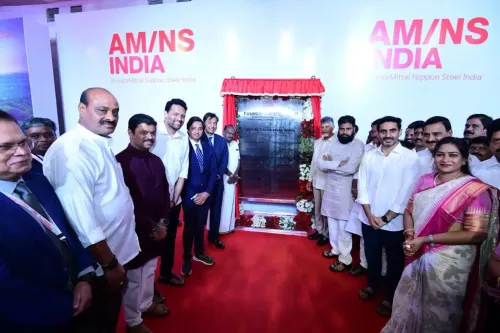
ArcelorMittal Nippon Steel India (AM/NS India) is the designated Anchor Industry Partner , making Andhra Pradesh the first state to operationalise an industry partnership under PM-SETU.
PM-SETU carries an outlay of ₹60,000 crore and targets transformation of 1,000 government ITIs through a Hub-and-Spoke model.
32 states and UTs have constituted State Steering Committees; 12 have floated RFPs for anchor industry partners.
The Visakhapatnam model is expected to serve as a template for industry-led ITI partnerships across other states.
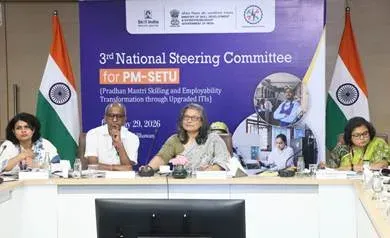
The National Steering Committee (NSC) has cleared the Strategic Investment Plan (SIP) for the Visakhapatnam ITI Cluster in Andhra Pradesh, marking the first proposal to receive approval under the Pradhan Mantri Skilling and Employability Transformation through Upgraded ITIs (PM-SETU) scheme. The clearance, announced on Saturday, 30 May, was accorded during the NSC's third meeting, convened by the Ministry of Skill Development and Entrepreneurship (MSDE).
Andhra Pradesh Leads the Way
The proposal was submitted by ArcelorMittal Nippon Steel India (AM/NS India), making Andhra Pradesh the first state to operationalise an industry partnership under PM-SETU by onboarding an Anchor Industry Partner (AIP), according to MSDE. Officials described the development as a significant milestone in bringing the scheme's industry-led Hub-and-Spoke model to life.
The meeting was chaired by MSDE Secretary Debashree Mukherjee and attended by Director General of Training (DGT) Dilip Kumar, along with senior representatives from central ministries, participating state governments, industry bodies, and development partners.
What the Visakhapatnam Approval Means
The Visakhapatnam cluster clearance is expected to serve as a replicable template for other states seeking to deepen industry participation in vocational education and training. Under the Hub-and-Spoke framework, government-run Industrial Training Institutes (ITIs) are to be transitioned into industry-managed, outcome-oriented institutions through structured partnerships between state governments and leading private players.
Notably, this is the first concrete step toward PM-SETU's core objective of shifting ITI governance from a purely administrative model to one driven by industry accountability and employability outcomes.
PM-SETU: Scale and Scope
PM-SETU is a flagship government initiative with an outlay of ₹60,000 crore, designed to transform 1,000 government ITIs across India. The scheme focuses on infrastructure modernisation, stronger industry engagement, and measurable improvements in graduate employability. As of the latest update, 32 states and Union Territories have constituted State Steering Committees, while 12 states and UTs have floated Requests for Proposals (RFPs) to invite industry participation in selecting anchor industry partners.
NSC's Broader Deliberations
Beyond the Visakhapatnam approval, the NSC reviewed overall PM-SETU implementation progress across participating states. Discussions centred on strengthening industry participation, improving governance structures, enhancing the financial sustainability of Special Purpose Vehicles (SPVs), and accelerating project execution timelines.
What Comes Next
With Andhra Pradesh setting the precedent, attention now shifts to the 12 states and UTs that have already issued RFPs. Their ability to attract credible anchor industry partners — and replicate the Visakhapatnam model — will determine how quickly PM-SETU moves from policy framework to ground-level skilling transformation.
Point of View
But the real stress test for PM-SETU lies in the gap between the 32 states that have formed steering committees and the 12 that have actually issued RFPs — a drop-off that signals either capacity constraints or lukewarm industry interest in many states. The scheme's ₹60,000 crore ambition to transform 1,000 ITIs hinges entirely on whether credible industry partners show up at scale, not just in steel-belt clusters where AM/NS India already has a geographic and workforce stake. India's ITI ecosystem has seen repeated reform cycles — Skill India, NSDC, the earlier ITI upgradation scheme — each promising outcome-orientation and each struggling with placement data credibility. PM-SETU will need a verifiable, third-party employability audit mechanism if it is to avoid the same fate.
NationPress
15 Oct 2026
Frequently Asked Questions
What is the PM-SETU scheme?
PM-SETU, or Pradhan Mantri Skilling and Employability Transformation through Upgraded ITIs, is a flagship government initiative with a ₹60,000 crore outlay aimed at transforming 1,000 government-run Industrial Training Institutes into industry-managed, outcome-oriented institutions. It operates through a Hub-and-Spoke model involving partnerships between state governments and leading private sector players.
What was approved for the Visakhapatnam ITI Cluster?
The National Steering Committee cleared the Strategic Investment Plan for the Visakhapatnam ITI Cluster in Andhra Pradesh on 30 May — the first such approval under the PM-SETU scheme. ArcelorMittal Nippon Steel India has been designated the Anchor Industry Partner for this cluster.
Why is Andhra Pradesh's approval significant?
Andhra Pradesh becomes the first state to operationalise an industry partnership under PM-SETU by formally onboarding an Anchor Industry Partner. Officials say the Visakhapatnam cluster is expected to serve as a replicable model for other states pursuing similar industry-led ITI transformations.
How many states are participating in PM-SETU so far?
As of the latest update, 32 states and Union Territories have constituted State Steering Committees under PM-SETU. Of these, 12 states and UTs have floated Requests for Proposals to invite industry participation for selecting anchor industry partners.
What issues did the National Steering Committee discuss beyond the Visakhapatnam approval?
The NSC reviewed overall PM-SETU implementation progress and deliberated on strengthening industry participation, improving governance structures, enhancing financial sustainability of Special Purpose Vehicles, and accelerating project execution across participating states.