Rafale deal to set up India's second fighter jet production line, boost indigenisation
Synopsis
India's Rafale deal with France isn't just a fighter jet purchase — it's a manufacturing blueprint. Defence Secretary Rajesh Kumar Singh revealed on 27 September 2026 that France has agreed to produce Rafales in India with significant indigenisation, enabling a second domestic fighter production line. Crucially, the Tejas Mark 1A programme will run in parallel, and the IAF's three core capability gaps — fleet strength, AEW&C, and refuellers — are all reportedly on track to be addressed.
Key Takeaways
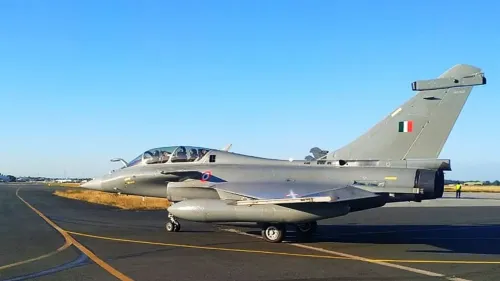
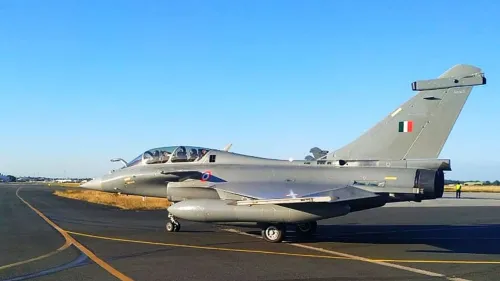
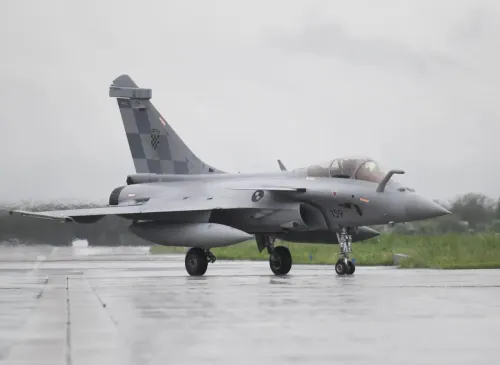
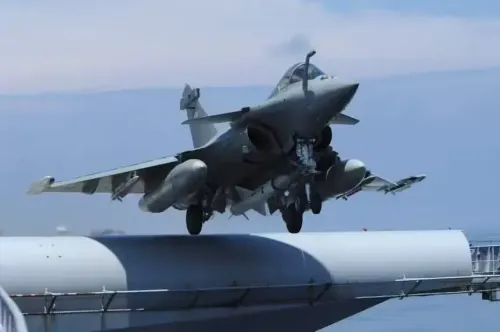
Defence Secretary Rajesh Kumar Singh confirmed on 27 September 2026 that the Rafale deal will establish a second fighter aircraft production line in India.
France has agreed to manufacture Rafales in India with significant levels of indigenisation as part of the deal mandate.
The LCA Tejas Mark 1A programme by HAL will continue alongside the Rafale procurement using a spiral development model.
The IAF's three critical gaps — fighter fleet strength, AEW&C aircraft , and aerial refuellers — are all reportedly being addressed through contracts.
Singh also holds charge as DRDO Chairman and Secretary, DDR&D , underscoring his oversight of both procurement and indigenous development.
Defence Secretary Rajesh Kumar Singh on Sunday, 27 September 2026 said that India's deal with France to procure additional Rafale fighter jets will help establish a second fighter aircraft production line in the country while significantly advancing indigenous defence manufacturing. Singh made the remarks at the NDTV Defence Summit 2026 in New Delhi, where senior defence officials, military officers, and industry leaders gathered to discuss India's evolving defence requirements.
What the Rafale Deal Means for India's Defence Manufacturing
Addressing the 'Strategy to Capability: Building India's Defence Edge' fireside chat, Rajesh Kumar Singh — who also holds additional charge as Secretary, DDR&D, and Chairman of the Defence Research and Development Organisation (DRDO) — underlined why the Rafale procurement was being pursued despite India's parallel push for self-reliance in defence. 'Rafale is a proven aircraft. France has agreed to our mandate that they make it in India with significant levels of indigenisation. It enables us to create a second production line for fighter aircraft in the country, which is why we are going through with it,' he said.
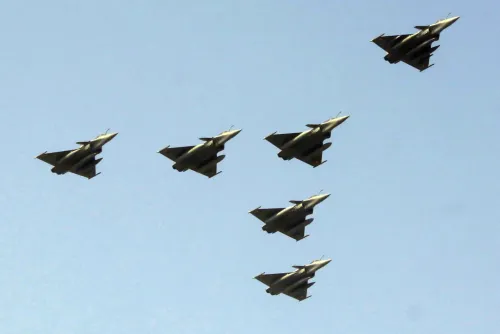
The creation of a second domestic production line is considered a strategic milestone for the Indian Air Force (IAF), which has long relied on a single primary facility for indigenous fighter manufacturing. Building a parallel line would reduce bottlenecks and improve delivery timelines for future fleet expansion.
Tejas Mark 1A Programme to Continue in Parallel
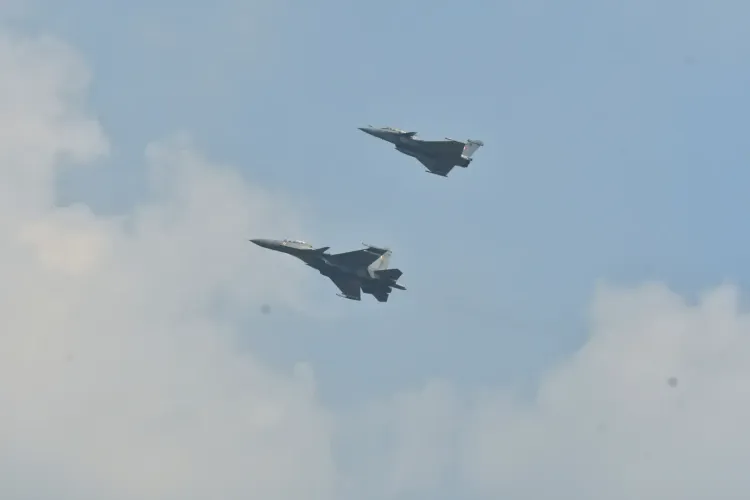
Singh was categorical that the Rafale deal would not cannibalise India's homegrown fighter jet programme. The Light Combat Aircraft (LCA) Tejas Mark 1A, being developed and manufactured by public sector aerospace major Hindustan Aeronautics Limited (HAL), will proceed on its own track. 'Even as we continue with the Rafale deal, the indigenous LCA Tejas Mark 1A programme will continue. It will be a spiral development model where we increasingly perfect it, fitting in indigenous radars that are better than global peers alongside indigenous weapons,' he stressed.
The dual-track approach — procuring a battle-tested foreign platform while nurturing a domestic programme — reflects the Centre's broader 'Make in India' defence strategy, which seeks to balance immediate operational readiness with long-term technological sovereignty.
Addressing the IAF's Three Core Capability Gaps
Singh also provided a candid assessment of the Indian Air Force's longstanding vulnerabilities. He identified three critical gaps the ministry has been working to close: the depleting size of the fighter fleet, the shortage of Airborne Early Warning and Control (AEW&C) aircraft, and an insufficient number of aerial refuellers. 'When I first came to the ministry, the Air Force had three major concerns: the depleting size of the fighter fleet and multipliers like AEW&C aircraft and refuelers. All three gaps are on the way to being filled. It won't happen overnight, but once contracts are signed, delivery expectations are locked in,' he said.
The IAF's fighter squadron strength has been a subject of parliamentary scrutiny for years, with the authorised strength of 42 squadrons remaining a distant target amid delays in both indigenous and imported procurement programmes.
Broader Context: India's Defence Indigenisation Drive
The remarks come as the government has significantly accelerated efforts to reduce India's dependence on foreign arms suppliers — the country has historically ranked among the world's top defence importers. Policy initiatives including positive indigenisation lists, increased foreign direct investment caps in defence, and dedicated defence industrial corridors in Uttar Pradesh and Tamil Nadu form the backbone of this push. The Rafale deal, structured with a 'Make in India' mandate, represents a newer model where foreign procurement is also engineered to build domestic capacity rather than simply fill a gap. The NDTV Defence Summit 2026, themed 'India's New Defence Edge', served as the platform for these disclosures, reflecting the growing convergence of policy signalling and industry engagement in India's defence ecosystem.
Point of View
Not promised. India has a long history of offset commitments in defence deals that were diluted or never enforced. What is notably different this time is the public, senior-level insistence on a 'Make in India' mandate as a precondition, which creates at least a political accountability hook. The parallel Tejas programme assurance is welcome, but HAL's delivery track record on the Tejas Mark 1 has been far behind schedule — the Mark 1A's 'spiral development' promise will need to be matched by hard production timelines to be credible.
NationPress
27 Sept 2026
Frequently Asked Questions
How will the Rafale deal help India set up a second fighter jet production line?
France has agreed to manufacture Rafale jets in India with significant indigenisation as part of the deal's mandate, which will facilitate the creation of a second domestic fighter aircraft production facility. Defence Secretary Rajesh Kumar Singh confirmed this on 27 September 2026 at the NDTV Defence Summit.
Will the Rafale deal affect India's Tejas Mark 1A programme?
No. Defence Secretary Rajesh Kumar Singh stated clearly that the LCA Tejas Mark 1A programme by HAL will continue alongside the Rafale procurement. He described it as a spiral development model that will progressively integrate indigenous radars and weapons.
What are the three capability gaps in the Indian Air Force that are being addressed?
According to Singh, the IAF had three major concerns: the depleting size of its fighter fleet, a shortage of Airborne Early Warning and Control (AEW&C) aircraft, and insufficient aerial refuellers. He said all three gaps are on the way to being filled once relevant contracts are signed.
Who is Rajesh Kumar Singh and what role does he play in India's defence sector?
Rajesh Kumar Singh is India's Defence Secretary and additionally holds charge as Secretary, DDR&D, and Chairman of the Defence Research and Development Organisation (DRDO). He oversees both defence procurement policy and the country's indigenous defence research and development ecosystem.
What is the significance of India having a second fighter aircraft production line?
A second production line would reduce dependence on a single manufacturing facility, ease delivery bottlenecks, and strengthen India's ability to scale up fighter jet production independently. It is also seen as a step toward greater self-reliance under the Centre's broader 'Make in India' defence manufacturing push.