RailOne app hits 4.76 crore downloads with 10 lakh daily ticket bookings
Synopsis
Launched on 1 July 2026, RailOne has already clocked 4.76 crore downloads and 10 lakh daily transactions — with unreserved tickets making up 7.24 lakh of that daily volume. The numbers signal a genuine shift in how ordinary Indian commuters access train travel, and put pressure on Railways to sustain adoption beyond early adopters.
Key Takeaways
RailOne has been downloaded 4.76 crore times since its launch on 1 July 2026 .
The app averages 10 lakh daily ticket transactions — 2.79 lakh reserved and 7.24 lakh unreserved as of 2 August 2026 .
89% of reserved tickets are now booked online, up from 49% in 2013-14 .
RailOne consolidates reserved ticketing, unreserved ticketing, platform ticketing, Railmadad, and PNR enquiry via a single SSO login.
NTES app has surpassed 4.5 crore Android downloads and handles over 6 crore enquiries daily .
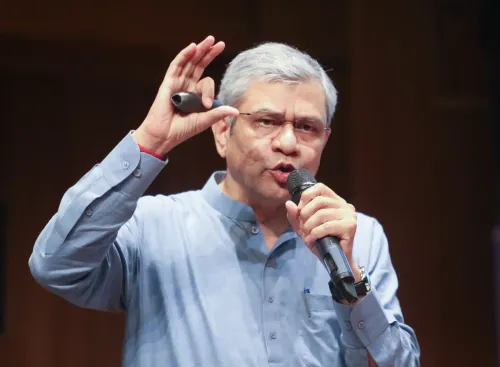
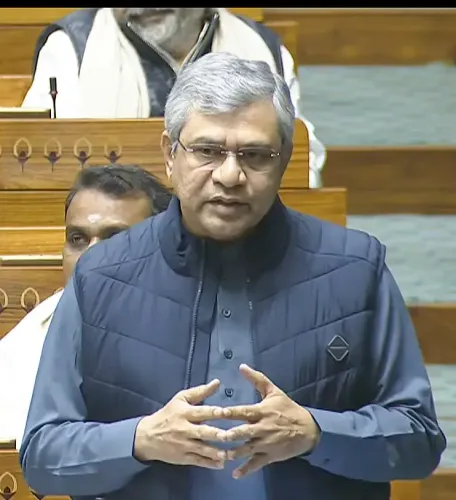
RailOne, the official unified app of Indian Railways, has been downloaded 4.76 crore times and is averaging 10 lakh daily ticket transactions, the government informed Lok Sabha on 12 August 2026. The figures, shared by Union Minister Ashwini Vaishnaw, mark a significant early milestone for the app, which was launched just six weeks prior.
Key Usage Numbers
As of 2 August 2026, RailOne was processing approximately 2.79 lakh reserved tickets and 7.24 lakh unreserved tickets daily, according to Vaishnaw's statement in Parliament. The minister holds the combined portfolio of Railways, Information & Broadcasting, and Electronics & Information Technology.
Notably, unreserved ticketing accounts for the lion's share of daily volume — reflecting the app's reach among ordinary commuters who previously had to queue at station counters.
What RailOne Offers
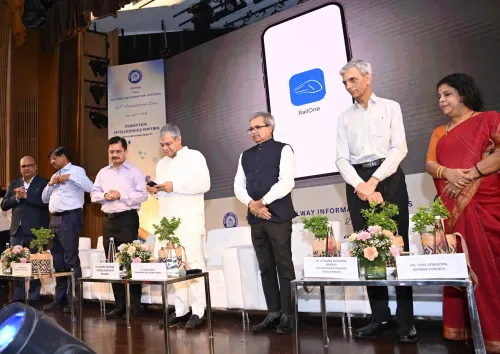
Indian Railways launched RailOne on 1 July 2026 to consolidate all passenger-facing digital services into a single platform. The app integrates reserved ticketing, unreserved ticketing, platform ticketing, train enquiry, PNR status, and the Railmadad grievance service. A Single-Sign-On (SSO) facility eliminates the need for passengers to maintain separate logins across multiple railway apps.
The Shift to Digital Ticketing
The numbers underscore a structural shift in how Indians book train travel. Approximately 89% of reserved tickets are now booked online, compared with just 49% in 2013-14 — a near-doubling over roughly a decade. Unreserved tickets booked through non-counter modes have also climbed to nearly 39%. This is the Nth step in a sustained push by the Ministry of Railways to digitise passenger services and reduce physical queues.
NTES: The Train Enquiry Backbone
Parliament was also updated on the National Train Enquiry System (NTES) mobile application, launched in October 2014 on Android and October 2015 on iOS. As of 1 August 2026, NTES has recorded more than 4.5 crore downloads on Android and 16 lakh downloads on iOS. The system currently handles around 80,000 concurrent users and processes over 6 crore enquiries daily — covering near real-time train running information, arrival and departure status, and schedules.
NTES features include Spot Your Train, Live Station, Train Schedule, and Trains between Stations, accessible via the app, website, enquiry counters, and the nationwide Rail Enquiry Number 139. The ministry said these services have measurably reduced queues and waiting times at physical enquiry counters.
What Comes Next
With RailOne still in its first two months of operation, the trajectory of downloads and daily transactions will be closely watched as a benchmark for India's broader railway digitalisation agenda. Further integration of payment options and regional language support could be key to sustaining adoption beyond urban centres.
Point of View
But the more telling figure is the unreserved ticket share — 7.24 lakh daily bookings from a segment that has historically been the hardest to digitise. If that number holds, it would represent a genuine behaviour shift, not just an urban convenience story. The jump in online reserved ticketing from 49% in 2013-14 to 89% today shows the long arc is real; the question is whether RailOne can push unreserved digital adoption from 39% toward parity. That depends on smartphone penetration, data costs, and whether the SSO experience holds up at scale — none of which Parliament was told about.
NationPress
27 Sept 2026
Frequently Asked Questions
What is the RailOne app and when was it launched?
RailOne is the official unified mobile application of Indian Railways, launched on 1 July 2026. It consolidates reserved ticketing, unreserved ticketing, platform ticketing, PNR enquiry, train enquiry, and the Railmadad grievance service into a single platform with a Single-Sign-On facility.
How many tickets does RailOne handle daily?
As of 2 August 2026, RailOne was processing approximately 10 lakh ticket transactions daily — comprising 2.79 lakh reserved tickets and 7.24 lakh unreserved tickets, according to Railway Minister Ashwini Vaishnaw's statement in Lok Sabha.
How does online railway ticketing compare to earlier years?
Approximately 89% of reserved tickets are now booked online, compared with about 49% in 2013-14. Unreserved tickets booked through non-counter modes have risen to nearly 39%, reflecting a sustained shift toward digital procurement.
What is the NTES app and how widely is it used?
The National Train Enquiry System (NTES) app provides near real-time train running information including arrival and departure status. As of 1 August 2026, it has over 4.5 crore Android downloads and 16 lakh iOS downloads, handling around 80,000 concurrent users and over 6 crore enquiries daily.
Who announced the RailOne download figures in Parliament?
Union Minister Ashwini Vaishnaw, who holds the Railways, Information & Broadcasting, and Electronics & Information Technology portfolios, disclosed the figures in Lok Sabha on 12 August 2026.