Indian Railways launches single all-India licence for container train operators at ₹25 crore
Synopsis
Indian Railways has scrapped its fragmented, route-wise licensing system for container train operators and replaced it with a single all-India licence at a flat ₹25 crore fee — the most significant structural change to the programme since private players were first allowed in. The move could accelerate modal shift from road to rail and meaningfully cut logistics costs for MSMEs.
Key Takeaways
Indian Railways has replaced route-wise container train operator licences with a single all-India licence, effective after gazette notification.
The uniform, non-refundable registration fee is set at ₹25 crore for all routes on the network.
Licence extensions of 20 years will carry no extension fee for the same operator, subject to satisfactory performance.
Category I licence holders face no additional fee on renewal; Category II, III, and IV holders pay a top-up of ₹15 crore on renewal or early migration.
The reform is expected to reduce logistics costs for MSMEs and encourage a modal shift of container freight from road to rail.
Changes are approved through amendments to the Model Concession Agreement (MCA) and will be notified via gazette.
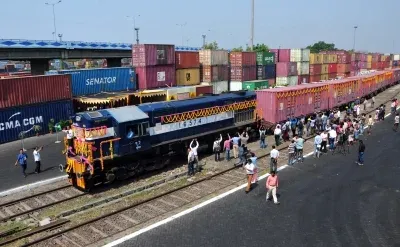
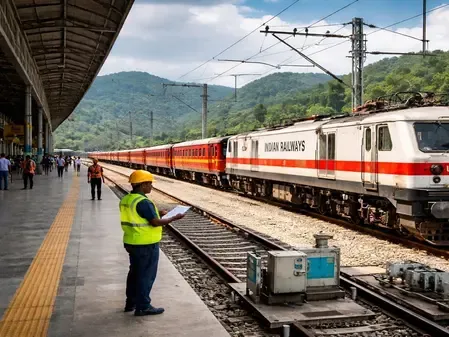
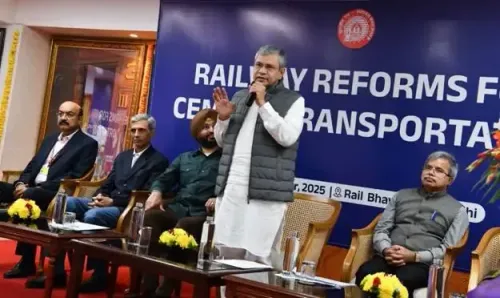
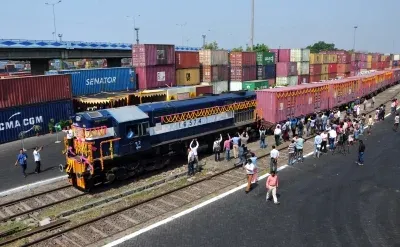
Indian Railways has overhauled its licensing framework for container train operators (CTOs), replacing the earlier route-wise permission system with a single all-India licence carrying a uniform registration fee of ₹25 crore. The reform, announced on Wednesday, 5 August through an official statement, is aimed at reducing regulatory complexity and boosting private participation in rail-based freight movement.
What Has Changed
Under the revised framework, the existing route-category system — which required separate permissions and different fee structures for different route categories — has been discontinued. Every new applicant will now deposit a flat, non-refundable registration fee of ₹25 crore, granting them the right to operate container trains across the entire Indian Railways network without restriction to specific corridors.
The changes have been approved through modifications to the Model Concession Agreement (MCA) and will be formalised via a gazette notification, according to the official statement.
Licence Extension and Transition Rules
Under the approved amendments, a CTO's permission may be extended for a further 20 years after expiry by the competent authority, subject to satisfactory performance. Critically, no extension fee will be levied for this extension or for any subsequent renewals to the same operator.
Operators currently holding Category I licences may continue under their existing category until their concession period ends. On renewal or extension under the new licence, no additional fee will be charged to them.
Operators in Category II, III, and IV may similarly continue until their concession periods conclude. For renewal or extension under the new licence, they will pay ₹15 crore — representing the difference between the new fee of ₹25 crore and the ₹10 crore already paid. This amount is non-refundable. These operators also have the option to migrate early to the new licence before completing their 20-year concession period, at the same ₹15 crore top-up.
Expected Impact on Logistics and Industry
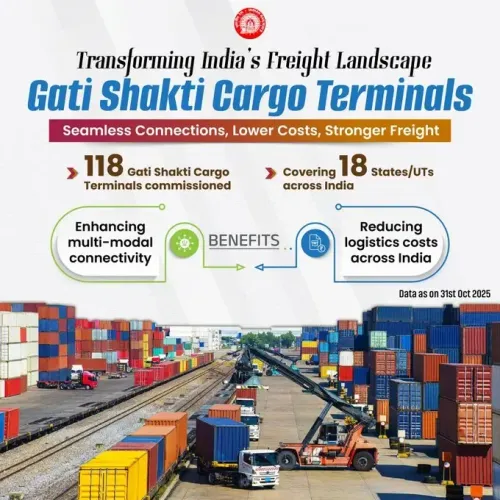
The simplified licensing structure is expected to lower regulatory and compliance costs for operators while streamlining the approval process. According to the official statement, the reform is designed to encourage greater private sector participation and expand container train operations across the country.
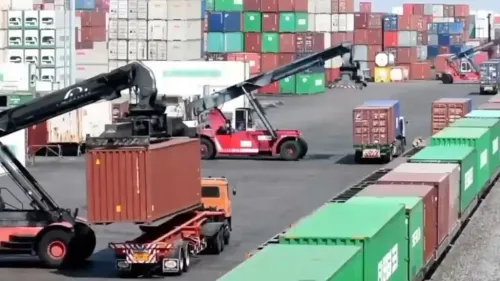
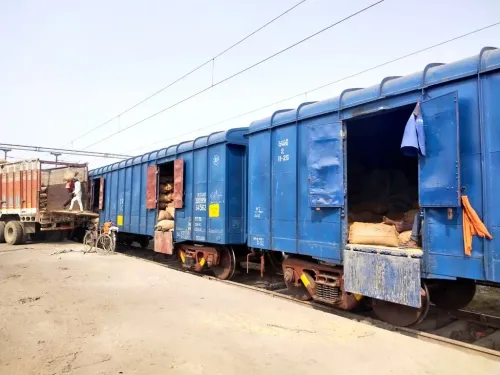
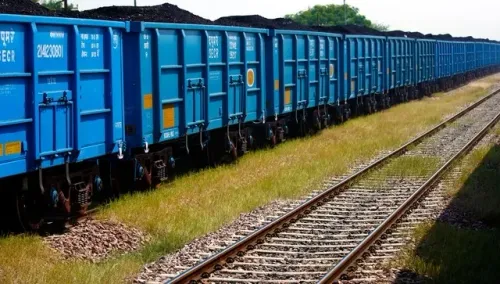
The move is expected to benefit MSMEs in particular, by providing a more efficient and cost-effective freight transport option through rail. A broader modal shift of container traffic from road to rail could ease congestion on national highways, reduce fuel consumption, and lower carbon emissions — contributing to more sustainable freight logistics.
Broader Policy Context
This reform is part of a wider push by the Centre to liberalise rail freight operations and improve India's logistics competitiveness. India's logistics costs as a share of GDP have historically been higher than global benchmarks, and increasing rail's share of freight movement has been a stated policy priority. The container train operator programme, which opened the segment to private players, has been operational for several years; this licensing overhaul is among its most significant structural changes since inception.
With the gazette notification expected shortly, industry bodies and existing operators will be watching closely for implementation timelines and any additional operational guidelines.
Point of View
Route-category fee structure to a flat all-India licence is administratively sensible, but the real test is whether ₹25 crore remains an accessible entry point for mid-sized logistics players or effectively consolidates the market among large incumbents. The waiver of extension fees for existing operators is a meaningful concession, yet the lack of a published timeline for the gazette notification leaves operators in a planning limbo. India's logistics cost problem is structural — rail's freight share has barely moved despite years of stated intent — and a licensing simplification, while welcome, addresses only one layer of the barrier.
NationPress
20 Sept 2026
Frequently Asked Questions
What is the new all-India container train operator licence announced by Indian Railways?
It is a single, unified licence that allows container train operators to run trains on all routes across the Indian Railways network, replacing the earlier system of separate, route-category-based permissions. The licence carries a flat, non-refundable registration fee of ₹25 crore.
What was wrong with the earlier licensing system for container train operators?
The previous framework required operators to obtain separate permissions for different route categories and charged different registration fees for each, increasing regulatory and compliance costs. The new system eliminates this fragmentation with a single licence and a uniform fee.
How does the transition work for existing licence holders?
Category I licence holders can continue under their existing category until their concession period ends and will pay no additional fee on renewal. Category II, III, and IV holders will pay ₹15 crore — the difference between the new ₹25 crore fee and the ₹10 crore already paid — on renewal, extension, or early migration to the new licence.
Will there be any fee for extending a container train operator licence after 20 years?
No. Under the approved amendments, a licence extension of 20 years granted to the same operator after expiry will carry no extension fee, and no fee will be charged for any future extensions to the same operator, provided performance is satisfactory.
How will the rail freight licensing reform benefit MSMEs and the broader economy?
By simplifying approvals and lowering regulatory costs, the reform is expected to encourage greater private participation and expand container train capacity. This should provide MSMEs with a more efficient and cost-effective freight option, while a broader shift of container traffic from road to rail could ease highway congestion, cut fuel consumption, and reduce carbon emissions.