RBI Governor warns fuel price hike likely if Middle East conflict persists
Synopsis
RBI Governor Sanjay Malhotra has put India on notice: if the Middle East conflict doesn't ease, a petrol and diesel price hike is "a matter of time." With crude above $100 a barrel, state oil firms losing ₹1,000 crore daily, and under-recoveries at ₹1.98 lakh crore, the government's price-freeze strategy is running out of road — and the RBI's June 5 meeting could be the moment of reckoning.
Key Takeaways
RBI Governor Sanjay Malhotra warned that petrol and diesel price hikes are "a matter of time" if the Middle East conflict continues.
Global crude oil prices have crossed $100 per barrel , with India importing 88% of its crude requirement.
State-run oil marketing companies are losing nearly ₹1,000 crore per day ; cumulative under-recoveries stand at ₹1.98 lakh crore .
The RBI's MPC held the repo rate at 5.25% in April 2026; the next policy review is on June 5 .
India holds crude stocks for around 76 days of demand ; LPG production has been raised to 55,000–56,000 tonnes .
Petroleum Minister Hardeep Singh Puri confirmed fuel stocks are adequate but hinted a price revision may be unavoidable.
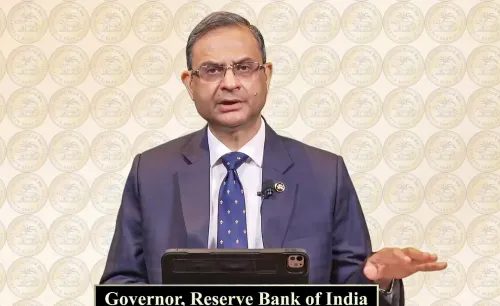
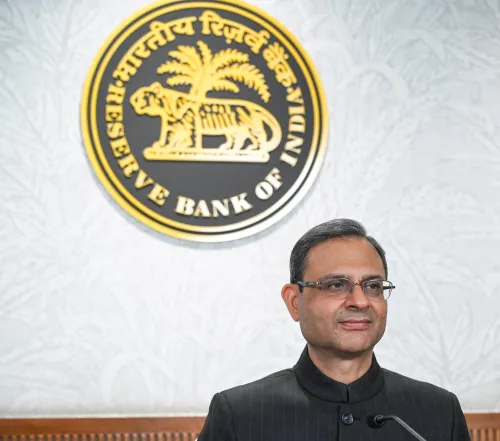
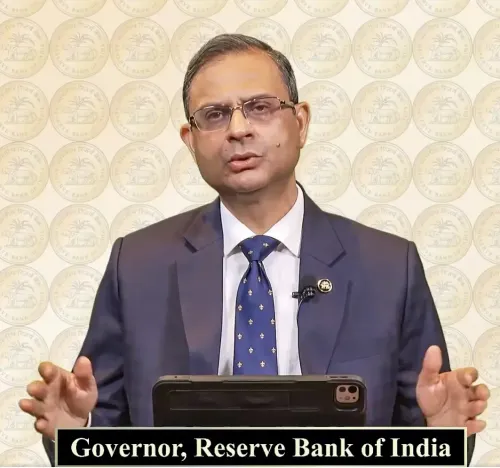
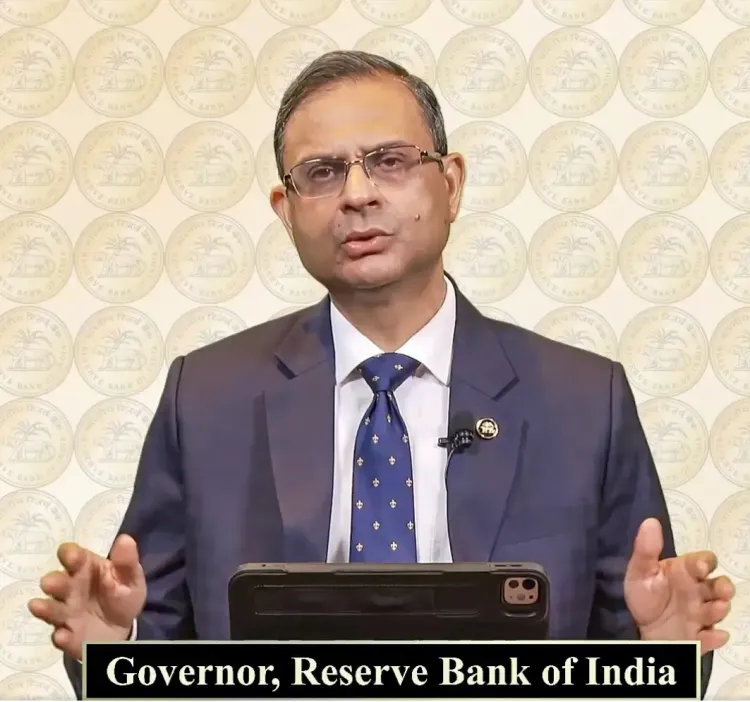
Reserve Bank of India (RBI) Governor Sanjay Malhotra has warned that India may be compelled to raise petrol and diesel prices if the Middle East conflict continues to push global crude oil costs higher. Speaking at a conference co-hosted by the Swiss National Bank and the International Monetary Fund (IMF) in Switzerland on Tuesday, Malhotra said a retail fuel price revision is "a matter of time" should the West Asia crisis persist.
RBI's Inflation Balancing Act
The Governor underscored that surging energy costs are testing India's flexible inflation targeting framework, and may necessitate policy intervention. "We are being more and more data dependent. The RBI is being flexible in its approach and is ready to look through the shock if it is transitory, but if it is entrenched, we need to take action," Malhotra said.
The RBI's Monetary Policy Committee (MPC) unanimously held the repo rate at 5.25% in its April 2026 meeting, maintaining a neutral stance in a deliberate "wait and watch" approach to balance robust domestic growth against rising inflationary pressures. The central bank's next policy review is scheduled for June 5, when the MPC will reassess key interest rates.
Oil Companies Absorbing Mounting Losses
Petroleum Minister Hardeep Singh Puri confirmed that state-run oil marketing companies are incurring losses of nearly ₹1,000 crore per day because retail fuel prices have not been revised despite global crude oil prices crossing $100 per barrel. Puri noted that cumulative under-recoveries have reached ₹1.98 lakh crore, while losses for the current June quarter alone stand at nearly ₹1 lakh crore.
The minister, while assuring that petrol, diesel, and LPG stocks remain adequate, hinted that a price revision may be unavoidable given the scale of losses. He added that excise duty reductions had been deployed as a partial buffer, and public sector oil companies have been absorbing the remainder of the global price surge.
India's Crude Oil Vulnerability
India imports approximately 88% of its crude oil requirement, making it acutely sensitive to global price swings. Any sustained rise in international crude costs translates directly into higher production costs for petrol, diesel, and LPG, with downstream effects on transportation and consumer prices across the economy.
To ensure supply security, Puri said India currently holds crude stocks equivalent to around 76 days of demand. LPG production has also been ramped up to 55,000–56,000 tonnes from approximately 35,000 tonnes earlier, aimed at ensuring uninterrupted domestic supply.
What Happens Next
A fuel price revision, if implemented, would likely trigger a broader inflationary wave — raising transportation costs and squeezing household budgets. The RBI's June 5 policy meeting will be closely watched for signals on whether the central bank shifts from its current neutral stance toward a tightening posture. Analysts note this is a pivotal juncture: the longer the government delays a price correction, the larger the eventual shock to consumers and inflation metrics.
Point of View
But the arithmetic is becoming untenable — ₹1,000 crore in daily losses cannot be absorbed indefinitely. The RBI's warning signals a shift: the central bank is no longer willing to treat energy-driven inflation as purely transitory. What's missing from the public debate is a clear threshold — at what crude price, or loss level, does the government act? Without that transparency, both markets and households are flying blind into a potential price shock.
NationPress
24 Sept 2026
Frequently Asked Questions
Why is India facing a potential petrol and diesel price hike?
Global crude oil prices have crossed $100 per barrel due to the ongoing Middle East conflict, and India imports around 88% of its crude needs. State-run oil companies are absorbing the difference, incurring losses of nearly ₹1,000 crore per day, making a retail price revision increasingly likely.
What did RBI Governor Sanjay Malhotra say about fuel prices?
Malhotra said raising retail fuel prices is "a matter of time" if the West Asia crisis persists, warning that sustained energy price shocks could entrench inflation and may require policy intervention by the RBI.
What is the current RBI repo rate and when is the next review?
The RBI's Monetary Policy Committee held the repo rate unchanged at 5.25% in its April 2026 meeting. The next monetary policy review is scheduled for June 5, 2026.
How much are Indian oil companies losing due to the fuel price freeze?
State-run oil marketing companies are incurring losses of nearly ₹1,000 crore per day. Cumulative under-recoveries have reached ₹1.98 lakh crore, with losses for the current June quarter alone standing at nearly ₹1 lakh crore.
Is India's fuel supply secure despite the Middle East conflict?
Petroleum Minister Hardeep Singh Puri confirmed that petrol, diesel, and LPG stocks are adequate. India holds crude reserves equivalent to around 76 days of demand, and LPG production has been increased to 55,000–56,000 tonnes from about 35,000 tonnes earlier.