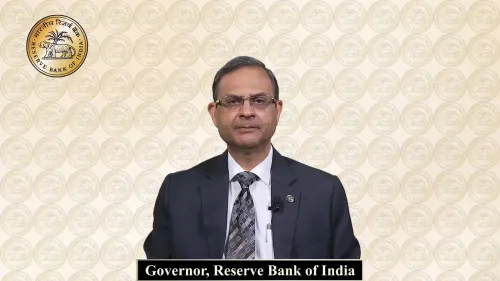
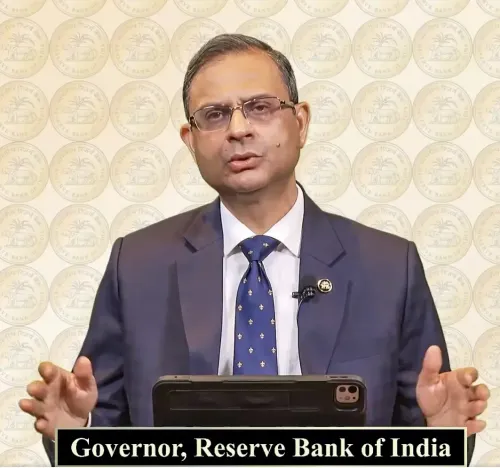
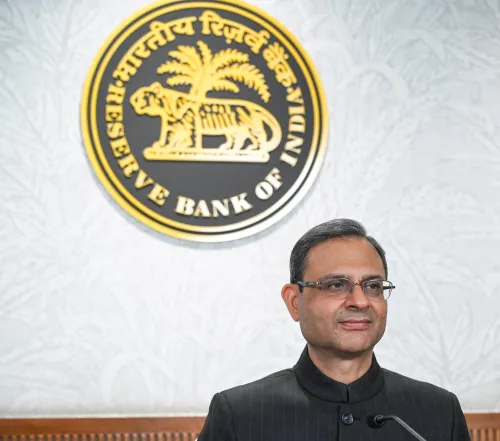
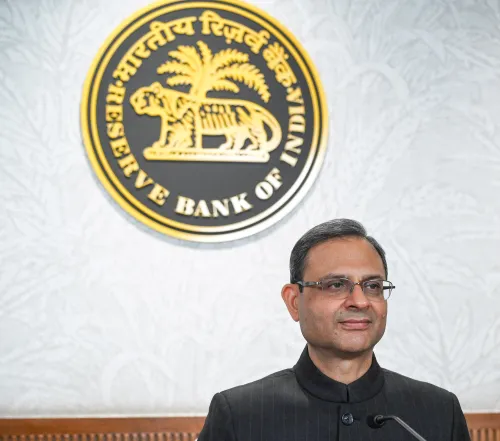
RBI Adopts Cautious Stance Amid West Asia Turmoil: Governor Sanjay Malhotra
Synopsis
As the West Asia conflict unfolds, RBI Governor Sanjay Malhotra emphasizes a cautious approach regarding interest rates, warning of potential inflation impacts. With significant trade ties to the region, India faces critical economic challenges.
Key Takeaways
The RBI remains vigilant about the West Asia conflict's economic implications.
Governor Malhotra highlights potential inflation risks from prolonged supply disruptions.
The RBI is not rushing to change interest rates, maintaining a neutral stance.
India's trade ties with West Asia are substantial, affecting various sectors.
The RBI is advancing its digital initiatives to support economic growth.
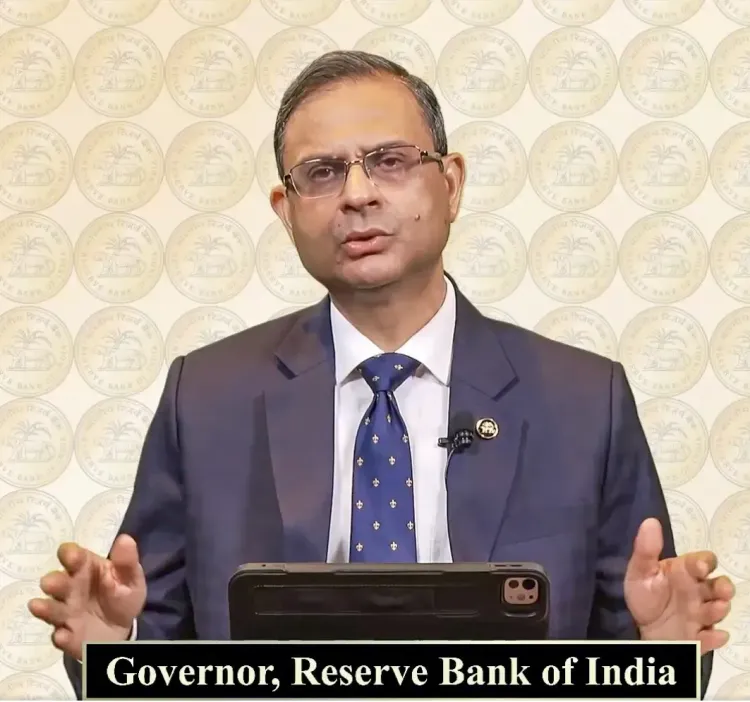
New Delhi, April 21 (NationPress) The Reserve Bank of India (RBI) is vigilantly observing the repercussions of the West Asia conflict. Governor Sanjay Malhotra indicated that the bank will refrain from making definitive commitments regarding future interest rate trajectories, cautioning that extended supply interruptions could further embed inflation into India's overall price levels.
During his address at Princeton University in the United States, Malhotra emphasized that the ongoing turmoil represents a direct threat to the Indian economy, given the region's significant impact on the country's trade.
Notably, West Asia constitutes approximately one-sixth of India's exports, one-fifth of its imports, and half of its crude oil imports, along with two-fifths of its fertilizer imports and inward remittances, as highlighted by him.
"The real concern lies in second-round effects," he remarked, warning that an initial supply shock could become integrated into the general price level if disruptions continue.
He indicated that the central bank is not in a rush to adjust rates, stating, "We are in a wait-and-watch mode."
The monetary policy committee will remain data-driven and will continuously evaluate the risk balance. The MPC has upheld a neutral position since June 2025, following cumulative rate reductions of 125 basis points since February of that year.
Malhotra defended the RBI's actions in the foreign exchange markets, while emphasizing that the bank has not committed to an "indefensible peg" regarding the Indian rupee, which fell by over four percent since the conflict began in March.
Additionally, India's foreign exchange reserves are currently at $710 billion, sufficient to cover over 11 months of imports.
Malhotra also underscored the RBI's developmental initiatives, mentioning advancements in the Unified Lending Interface and the pilot for the central bank's digital currency.
Regarding digital infrastructure and economic growth, he noted that the Unified Payments Interface (UPI) achieved over 22 billion transactions in March alone, with the central bank now working on the Unified Lending Interface (ULI) to facilitate instant credit access for small farmers and entrepreneurs.
Furthermore, he stated that the government's fiscal deficit-to-GDP ratio has decreased from 9.2 percent in 2020-21 to 4.4 percent in 2025-26.
He remarked that India's general government debt-to-GDP ratio of 81.1 percent in 2024–25 is reasonable, noting that most of the world's leading economies by nominal GDP, except for Germany and Russia, have higher debt ratios than India.
Frequently Asked Questions
What is the RBI's current position on interest rates?
The RBI is currently in a 'wait-and-watch' mode and will not commit to any firm changes in interest rates due to the instability caused by the West Asia conflict.
How does the West Asia conflict impact India?
The conflict poses a significant threat to the Indian economy, as West Asia accounts for a large portion of India's trade, including exports and crucial imports like crude oil.
What measures is the RBI taking regarding currency stability?
The RBI is actively intervening in foreign exchange markets but has not established an 'indefensible peg' for the Indian rupee.
What are the implications of the RBI's developmental agenda?
The RBI is working on initiatives like the Unified Lending Interface to enhance credit access for small farmers and businesses, and has made significant progress on digital currency pilots.
What is India's current fiscal health?
India's fiscal deficit-to-GDP ratio has improved, declining from 9.2% in 2020-21 to 4.4% in 2025-26, indicating better fiscal management.