RBI stance shift to 'calibrated tightening' boosts credibility; 25 bps hike likely in Dec
Synopsis
The RBI's pivot to 'calibrated tightening' was less about aggression and more about credibility — sending a clear signal that rate cuts are off the table while stopping short of committing to a prolonged hiking cycle. With HSBC forecasting a further 25 bps move in December, the question is whether resilient growth or an El Niño-driven inflation spike forces the MPC's hand before the year is out.
Key Takeaways
The RBI shifted its policy stance from 'neutral' to 'calibrated tightening' and delivered a 25 basis-point repo rate hike .
HSBC Global Investment Research says the move delivers 'a dose of credibility' but does not signal a deep rate-hiking cycle.
HSBC forecasts a further 25 bps hike in December , taking total tightening to approximately 50 basis points .
The RBI noted inflation is partly base-effect driven, with 'limited evidence of demand-side pressures' .
Liquidity will be drained gradually via VRRRs , FX swaps , FX spot sales , and OMO sales ; a CRR hike is low priority.
A strengthening El Niño , high oil prices, and dollar strength remain key risks that could force further action.
The Reserve Bank of India's (RBI) decision to shift its monetary policy stance from 'neutral' to 'calibrated tightening', accompanied by a 25 basis-point repo rate hike, has delivered a meaningful boost to the central bank's credibility, according to a report by HSBC Global Investment Research released on Wednesday, 7 October. However, the report cautions that this does not signal the start of a prolonged or deep rate-hiking cycle.
What the Stance Change Signals
According to the HSBC Global Investment Research report, the shift to calibrated tightening makes clear that 'rate cuts are off the table in the near term and policy action ahead can only be a rate hike or a pause, depending on the evolving conditions and the outlook.' The language marks a deliberate departure from the ambiguity of the earlier neutral stance, giving markets a clearer framework for expectations.
Notably, a stance of calibrated tightening rules out a rate cut as the next move — a significant signal at a time when global monetary conditions remain unsettled due to elevated oil prices, rising global yields, and a strengthening US Dollar index.
December Hike Still on the Cards
HSBC continues to forecast a further 25 basis-point hike in December, which would bring the total tightening cycle to approximately 50 basis points. The report, however, leaves room for additional action: 'There is risk of another [hike], especially if growth remains resilient despite a strengthening El Niño.' For now, the bank does not view this as a deep rate-hiking episode.
This positions the RBI's Monetary Policy Committee (MPC) as watchful rather than aggressive — prepared to act if conditions deteriorate, but not committed to a fixed upward trajectory.
Credibility in Focus Amid Global Headwinds
The report identified the central question at the MPC meeting as how to bolster institutional credibility at a time when global conditions are tightening — driven by high crude prices, elevated US treasury yields, and dollar strength. The preference for a stance change, rather than a more dramatic move, reflects the RBI's intent to signal readiness for a sustained period of vigilance without pre-committing to aggressive tightening.
This comes amid a broader emerging-market challenge: central banks in Asia have faced pressure to defend currencies and contain imported inflation without choking domestic growth.
RBI's Inflation Assessment and Liquidity Tools
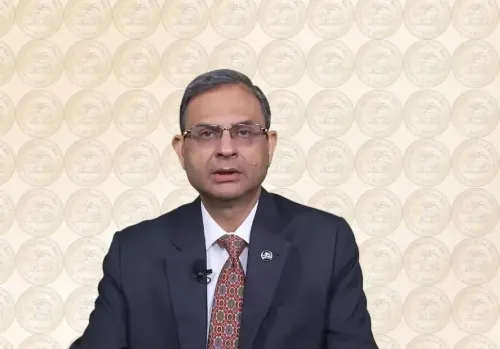
The RBI acknowledged that current inflation is partly driven by base effects and noted there is 'limited evidence of demand-side pressures' — a qualification that helps explain the measured pace of tightening. The governor described calibrated tightening as a 'milder form of tightening', stressing that excess liquidity would be drained gradually through a natural rise in currency in circulation and existing instruments including Variable Rate Reverse Repos (VRRRs), FX swaps, FX spot sales, and Open Market Operation (OMO) sales.
The governor also noted that a Cash Reserve Ratio (CRR) hike, while technically on the table, ranks much lower in the central bank's toolkit hierarchy — suggesting it would be deployed only as a last resort.
What to Watch Next
Market participants will closely track the December MPC meeting for confirmation of the anticipated hike. Factors that could alter the trajectory include a sharper-than-expected El Niño impact on food inflation, a significant move in global crude prices, or a shift in US Federal Reserve guidance. The RBI's measured posture leaves it with flexibility — but any sustained deterioration in the global macro environment could force its hand sooner.
Point of View
But it assumes global headwinds — oil, the dollar, US yields — do not intensify materially. India's central bank is threading a narrow needle: defending the rupee and anchoring inflation expectations without triggering a growth scare in an economy where demand-side pressure remains, by its own admission, limited.
NationPress
7 Oct 2026
Frequently Asked Questions
What is 'calibrated tightening' and why did the RBI adopt it?
Calibrated tightening is a monetary policy stance that rules out rate cuts as the next move, limiting future action to either a rate hike or a pause depending on economic conditions. The RBI adopted it to signal heightened vigilance against inflation and global headwinds — including high oil prices, rising global yields, and a stronger US dollar — while stopping short of committing to aggressive tightening.
Will the RBI hike rates again in December?
HSBC Global Investment Research forecasts a further 25 basis-point hike at the December MPC meeting, which would bring the total tightening cycle to approximately 50 basis points. The bank notes additional risk of another hike if growth stays resilient and El Niño keeps inflation elevated.
Why does the RBI say the rate-hiking cycle will not be deep?
The RBI noted that current inflation is partly driven by base effects and that there is limited evidence of demand-side pressures, reducing the need for sharp or sustained tightening. HSBC's report echoes this assessment, characterising the cycle as measured rather than aggressive.
What liquidity tools is the RBI using alongside rate hikes?
The RBI governor said excess liquidity will be drained gradually through a natural rise in currency in circulation and existing instruments — Variable Rate Reverse Repos (VRRRs), FX swaps, FX spot sales, and Open Market Operation (OMO) sales. A Cash Reserve Ratio (CRR) hike remains an option but ranks low in the central bank's priority list.
What risks could push the RBI toward more rate hikes?
Key risks include a stronger-than-expected El Niño driving food inflation higher, a sustained rise in global crude oil prices, continued US dollar strength, and elevated global bond yields. If any of these factors persist or worsen, the MPC could be compelled to act beyond the currently forecast December hike.