South Korea Targets 20% Recycling of Key Minerals by 2030: Ministry
Synopsis
South Korea aims to achieve a 20% recycling rate of essential minerals by 2030, enhancing the critical mineral recycling industry to stabilize supply chains, according to the Ministry of Trade, Industry and Energy.
Key Takeaways
Targeting 20% recycling rate by 2030.
Investment of 55 trillion won to reduce import reliance.
Focus on strategic minerals including lithium and nickel .
Streamlining regulations to support the recycling sector.
Establishing industrial clusters for critical minerals.
Seoul, March 25 (NationPress) South Korea is committed to enhancing the critical mineral recycling industry, aiming for a 20 percent recycling rate of essential minerals by 2030, as stated by the industry ministry on Tuesday.
The Ministry of Trade, Industry and Energy revealed this plan as part of a comprehensive government effort to ensure stable supply chains.
As outlined, the ministry will promote the development of the critical mineral recycling sector by simplifying relevant regulations, establishing industrial clusters, and improving infrastructure for businesses operating in this field, as reported by Yonhap news agency.
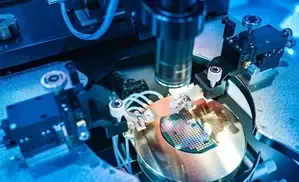
Through these initiatives, the nation targets to recycle 20 percent of strategic critical minerals crucial for advanced industries such as batteries and semiconductors by 2030.
The primary strategic minerals include lithium, nickel, cobalt, manganese, and five varieties of rare earth elements.
Additionally, the government announced last week its intention to formulate support measures for the critical minerals recycling industry as part of efforts to stabilize the supply chain for advanced sectors.
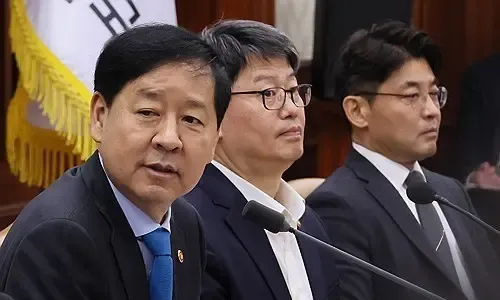
"We are deeply concerned about supply chain vulnerabilities given the high global economic uncertainties stemming from the protectionist stance of the new U.S. administration, including tariff regulations, and China's export limitations on critical minerals," stated acting President Choi Sang-mok during a meeting with industry representatives, as reported by the finance ministry.
"The government will explore strategies to establish an industrial cluster for enterprises in the critical minerals recycling sector and assist them in developing a robust industrial ecosystem," he added.
Choi's comments followed the government's announcement in December regarding an investment exceeding 55 trillion won ($37.5 billion) by 2027 to diminish its reliance on imports of key minerals vital for South Korea's key industries, including semiconductors and batteries.
In line with the supply chain stabilization initiative, the government aims to cut its dependency on imports from specific nations for these essential materials from the current 70 percent to 60 percent by 2027 and ultimately to 50 percent by 2030.