Will South Korea Lead the FORGE Initiative on Critical Minerals Until June?
Synopsis
Discover how South Korea will take charge of the FORGE initiative, a crucial international effort to bolster cooperation in critical minerals supply chains until June. This initiative aims to counterbalance China's overwhelming influence on these essential resources.
Key Takeaways
South Korea will lead the FORGE initiative until June.
The initiative aims to strengthen cooperation on critical minerals supply chains.
It is part of a broader U.S. effort to counter China's influence.
Officials from 54 countries participated in the inaugural ministerial meeting.
Collaboration through the MSP will enhance supply chain resilience.
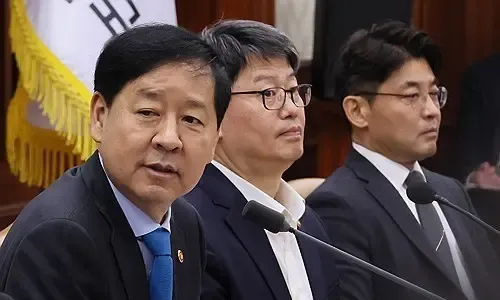
Washington, Feb 5 (NationPress) South Korea is set to spearhead a new international initiative, established under a U.S. initiative aimed at enhancing collaboration with allies regarding critical minerals supply chains, until June, as stated by the State Department. This move comes as Washington intensifies its efforts to mitigate China's significant influence over essential resources.
The announcement regarding Seoul's leadership role in the FORGE, or Forum on Resource Geostrategic Engagement, follows the inaugural Critical Minerals Ministerial, which focused on strengthening and diversifying supply chains for critical minerals essential for the production of advanced military and consumer goods, as reported by Yonhap news agency.
According to the State Department, "FORGE, led by the Republic of Korea through June, will take bold and decisive action to tackle the persistent challenges in the global critical minerals market."
"By recognizing the advantages of collaboration and leveraging the MSP (Minerals Security Partnership), partners in FORGE will work together at both policy and project levels to promote initiatives that enhance diversified, resilient, and secure critical minerals supply chains," it added.
Previously, South Korea also chaired the MSP.
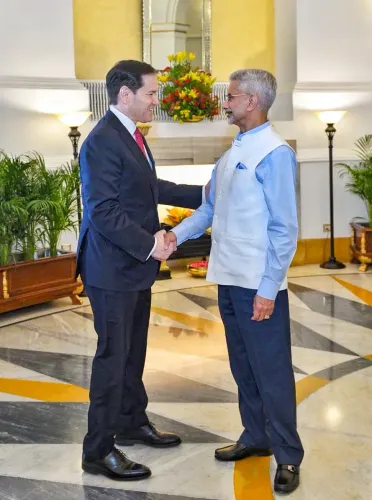
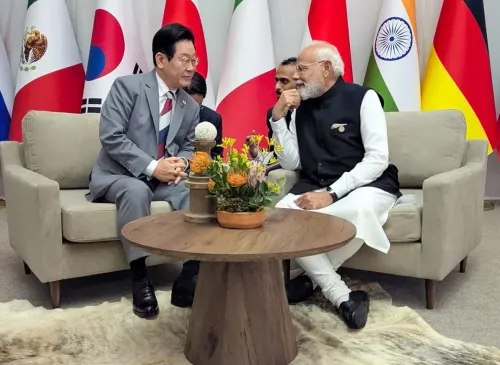
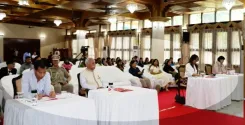
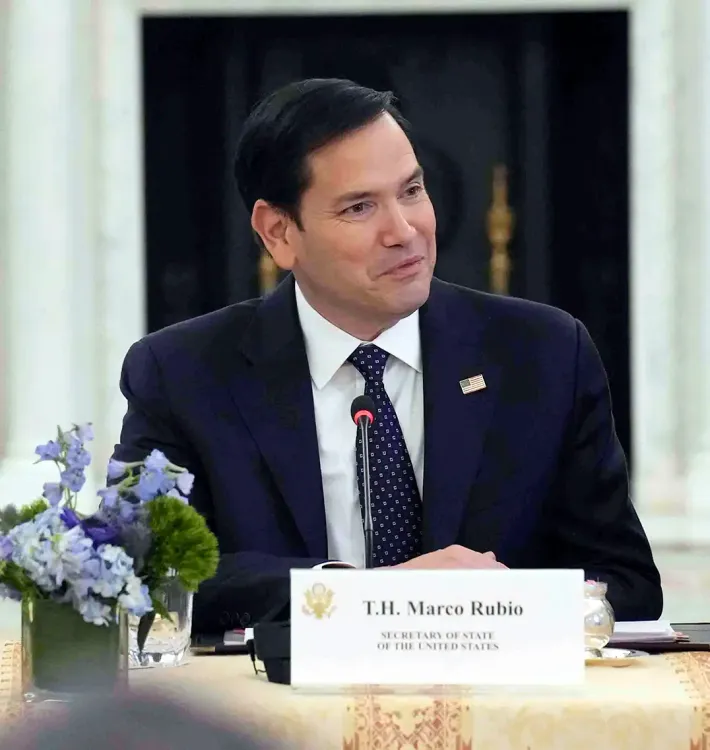
U.S. Secretary of State Marco Rubio hosted the ministerial meeting on critical minerals at the State Department, attended by officials from 54 nations and the European Commission, including South Korean Foreign Minister Cho Hyun and representatives from Japan, Australia, Canada, and India.
At the beginning of the meeting, U.S. Vice President JD Vance remarked that the administration of U.S. President Donald Trump is working towards establishing a "preferential trade zone" that will sustain "price floors" through adjustable tariffs and shield itself from "external disruptions."
This meeting takes place as Washington has been ramping up efforts to unify allies and partners to address vulnerabilities in supply chains and other risks, given China's dominant role in rare earths and other vital resources.
Point of View
The FORGE initiative led by South Korea represents a strategic move to bolster international cooperation. This collaboration is essential, especially as nations seek to ensure access to critical minerals while navigating the complexities of geopolitical dynamics.
NationPress
16 Sept 2026
Frequently Asked Questions
What is the FORGE initiative?
FORGE stands for Forum on Resource Geostrategic Engagement and aims to enhance international cooperation on critical minerals supply chains.
Why is South Korea chairing the FORGE initiative?
South Korea is leading the initiative as part of a U.S. effort to strengthen ties with allies in response to China's dominance in critical mineral resources.
What are critical minerals?
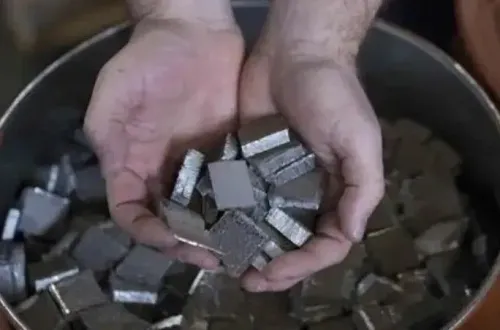
Critical minerals are essential resources required for the manufacturing of high-tech military and consumer products.
What is the Minerals Security Partnership (MSP)?
The MSP is a collaborative framework that aims to secure and diversify the supply of critical minerals among partner nations.
What was discussed at the Critical Minerals Ministerial?
The ministerial focused on reinforcing and diversifying supply chains for critical minerals, with participation from officials from 54 countries.