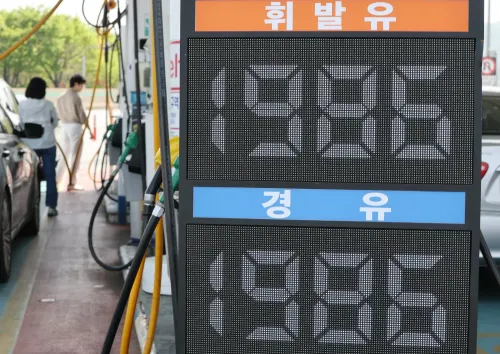
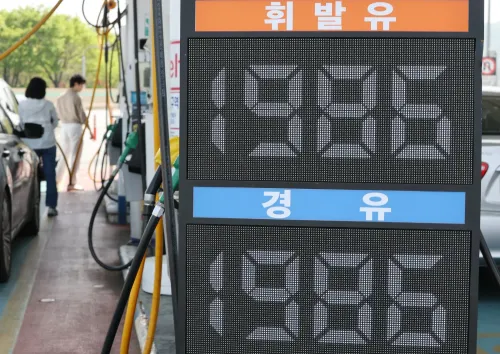
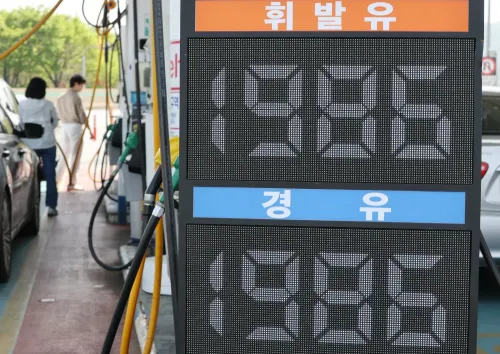
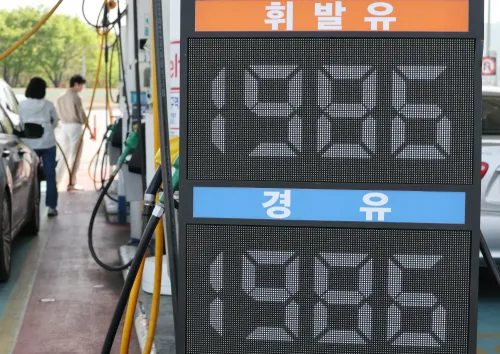
South Korea extends fuel tax cut through November amid Middle East tensions
Synopsis
South Korea is keeping its fuel tax cuts alive through November, with diesel and butane getting the deepest relief — 25 percent — as Middle East tensions keep oil prices volatile. The same day, the KOSPI surged over 2 percent, suggesting markets are reading both the policy signal and the Fed move as twin tailwinds. How long Seoul can afford to hold these cuts is the question policymakers are quietly wrestling with.
Key Takeaways
South Korea extended its fuel tax cut scheme by two months through the end of November 2026 , announced on 18 September .
Tax cuts stand at 15 percent for gasoline and 25 percent for diesel and butane .
The decision was chaired by Finance Minister Koo Yun-cheol , citing Middle East-driven oil price risks.
The KOSPI rose 135.91 points (2.02%) to 6,851.32 on the same day, led by Samsung Electronics and SK Hynix .
The Korean won traded at 1,385.4 won per US dollar , down 3.9 won from the previous session.
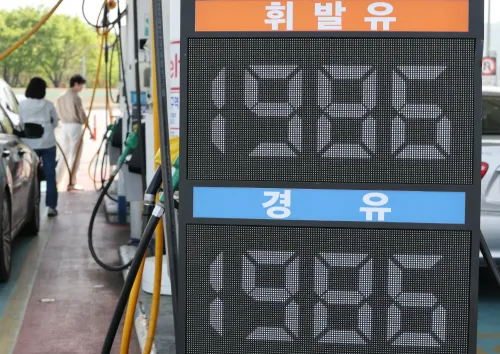
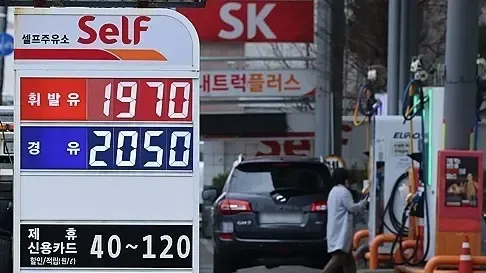
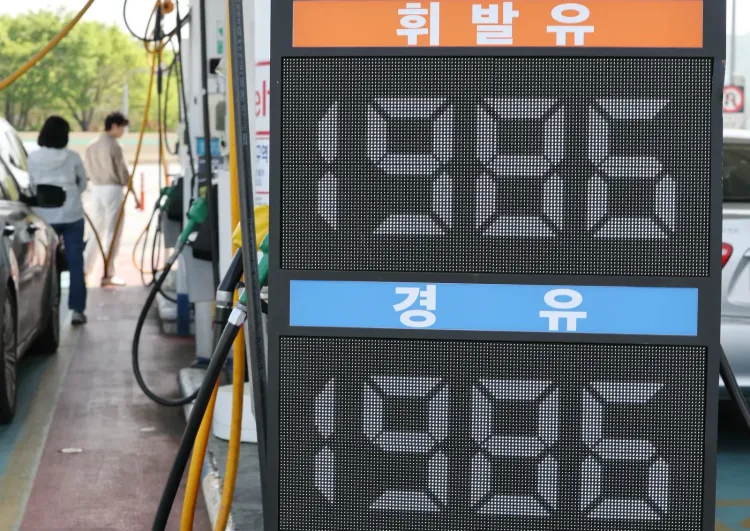
South Korea will extend its fuel tax reduction scheme by two months through the end of November 2026, the country's Ministry of Finance and Economy announced on Friday, 18 September, citing persistent oil price volatility linked to ongoing tensions in the Middle East. The move is designed to shield consumers and businesses from rising fuel costs.
Key Decision Details
The extension preserves existing tax cuts of 15 percent on gasoline and 25 percent on diesel and butane, which were originally scheduled to expire at the end of September. The decision was taken during an economy-related ministers' meeting chaired by Finance Minister Koo Yun-cheol.
'We have decided to maintain the current tax cut scheme, considering the country's capacity to address a possible increase in oil price volatility,' the finance ministry said in an official release.
Why Diesel and Butane Get Deeper Cuts
Policymakers have opted to retain steeper reductions for diesel and butane specifically, reflecting their outsized economic importance. Diesel is considered essential for industrial operations and the logistics supply chain, while butane is widely used as fuel for small trucks — a backbone of last-mile delivery in South Korea. The differentiated approach signals a deliberate effort to protect sectors that feed directly into consumer prices.
Markets React Positively
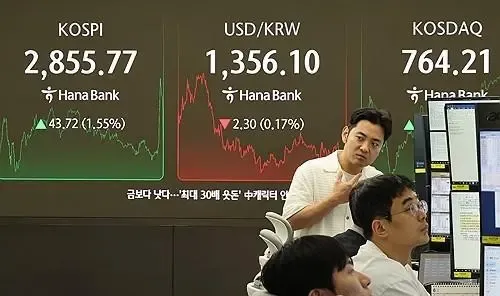
South Korean equities were trading sharply higher the same morning, with the benchmark Korea Composite Stock Price Index (KOSPI) up 135.91 points, or 2.02 percent, at 6,851.32 as of 11:20 am local time. Investor sentiment improved on a fall in oil prices and eased inflation uncertainties following a US Federal Reserve rate decision.
Market heavyweight Samsung Electronics gained 2.48 percent, while chipmaker rival SK Hynix advanced 4.41 percent. Carmaker Hyundai Motor rose 0.96 percent, defence conglomerate Hanwha Aerospace strengthened 0.82 percent, and major financial group KB Financial bucked the trend, slipping 1.95 percent.
The Korean won was trading at 1,385.4 won per US dollar as of the same time, down 3.9 won from the previous session's close.
Broader Context
This extension marks the latest in a series of South Korean measures to manage energy-related inflation, as prolonged geopolitical instability in the Middle East continues to keep global crude prices unpredictable. The government's acknowledgement of the country's 'capacity to address' potential price shocks suggests the relief is calibrated — and not open-ended. Analysts will watch closely whether November proves to be a genuine exit point or the beginning of yet another extension, depending on where crude prices settle.
Point of View
South Korea still cannot exit emergency relief without risking a consumer price spike. The differentiated treatment of diesel and butane — a nod to the logistics and small-business economy — is the smarter design choice, but it also signals that the fiscal cost is concentrated on the sectors the government least wants to destabilise. The KOSPI's 2 percent rally on the same day creates a narrative convenience that should not obscure the structural question: at what crude price level does Seoul finally let the cuts expire? Without a transparent exit framework, each two-month extension simply defers that reckoning.
NationPress
18 Sept 2026
Frequently Asked Questions
Why is South Korea extending its fuel tax cut?
South Korea is extending the fuel tax cut through November 2026 to shield consumers and businesses from potential oil price spikes, with the government citing ongoing Middle East tensions as the primary risk factor. Finance Minister Koo Yun-cheol chaired the ministerial meeting that approved the move.
How large are South Korea's fuel tax cuts?
The current cuts stand at 15 percent for gasoline and 25 percent for diesel and butane. Diesel and butane receive deeper relief because they are critical for industrial activity, logistics, and small-truck operations.
When do the South Korea fuel tax cuts expire?
The cuts, originally due to expire at the end of September 2026, have been extended to the end of November 2026. Whether a further extension follows will depend on global oil price movements and the government's fiscal assessment.
How did South Korean markets react on 18 September?
The KOSPI rose 135.91 points, or 2.02 percent, to 6,851.32 on 18 September, led by Samsung Electronics and SK Hynix. Sentiment improved after oil prices fell and uncertainty over inflation eased following a US Federal Reserve rate decision.
What happened to the Korean won on 18 September?
The Korean won was trading at 1,385.4 won per US dollar as of 11:20 am local time on 18 September, down 3.9 won from the previous session's close.