South Korean won hits 14-month high at 1,350.4 per dollar
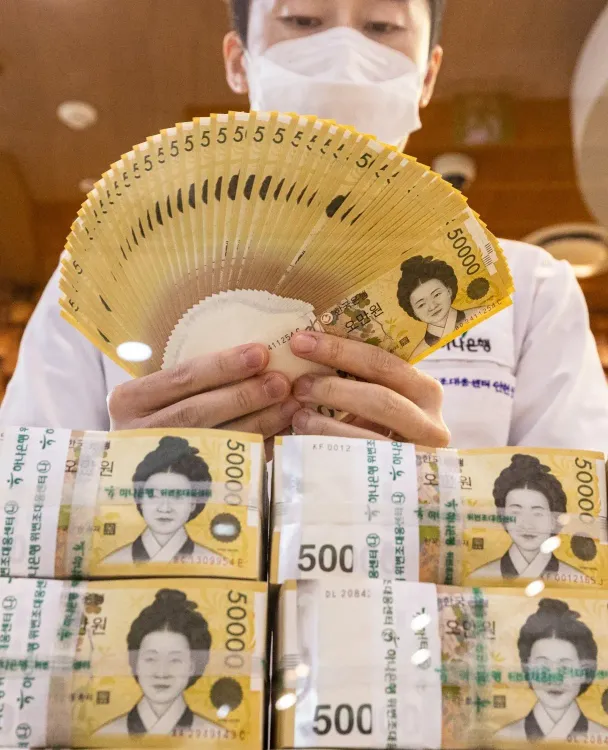
Synopsis
The South Korean won hit its strongest level in 14 months — 1,350.4 per dollar — as SK Hynix's mega US listing proceeds flowed back into the Korean currency, yen-strength sentiment swept Asia, and Fed Governor Waller's comments cooled rate-hike fears. The KOSPI followed suit, closing nearly 2% higher for a second straight session.
Key Takeaways
The South Korean won reached 1,350.4 per dollar on 4 September — its strongest since 30 June last year , gaining 8.9 won in a single session.
SK Hynix Inc. converted proceeds from a major US listing into won, providing a significant currency tailwind.
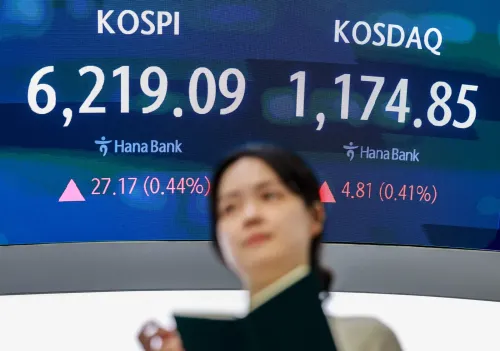
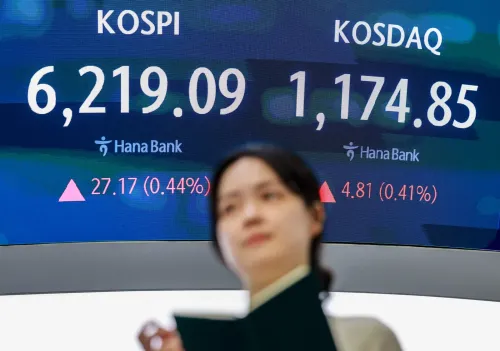
The KOSPI closed up 107.73 points (1.64%) at 6,687.21 , rising for a second consecutive session.
Foreign and institutional investors bought a net 2.15 trillion won in equities; retail investors sold 3.72 trillion won .
Federal Reserve Governor Christopher Waller's comments eased rate-hike concerns, lifting risk appetite across Asian markets.
Analysts at Daishin Securities flagged that Middle East risks and yen carry trade volatility remain active headwinds.
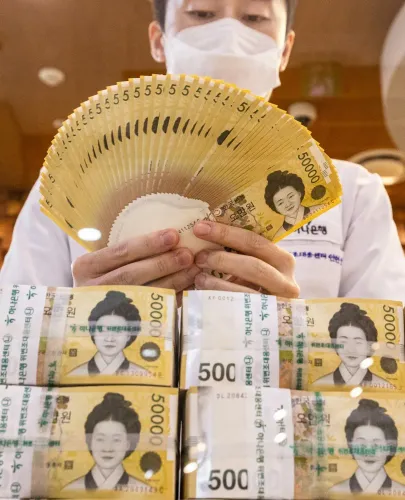
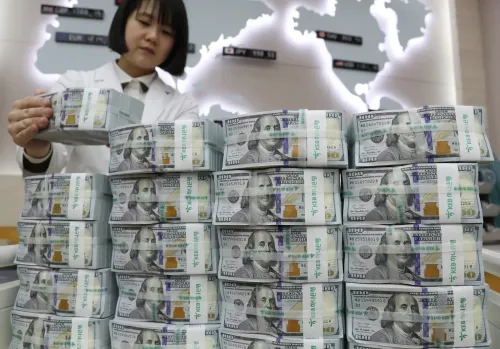
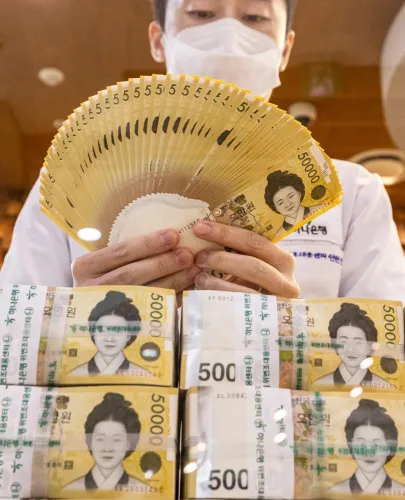
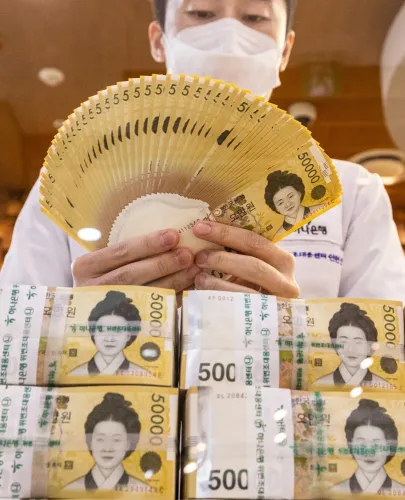
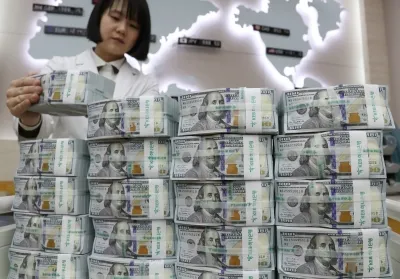
The South Korean won surged to a fresh 14-month high against the US dollar on Friday, 4 September, trading at 1,350.4 won per dollar as of 3:30 pm local time — its strongest level since 30 June last year. The currency gained 8.9 won from the previous session's close, riding a broader wave of Asian currency strength.
What Drove the Won Higher
The won's advance tracked a sharp rally in the Japanese yen, with traders pricing in the possibility that Japan's financial authorities could intervene to support the yen after it strengthened abruptly during the week. Locally, the currency got an additional lift as Korean exporters trimmed their dollar holdings and SK Hynix Inc. converted proceeds from a major US listing into the Korean currency — a significant one-off inflow that amplified the move.
KOSPI Gains Nearly 2% in Back-to-Back Session Rise
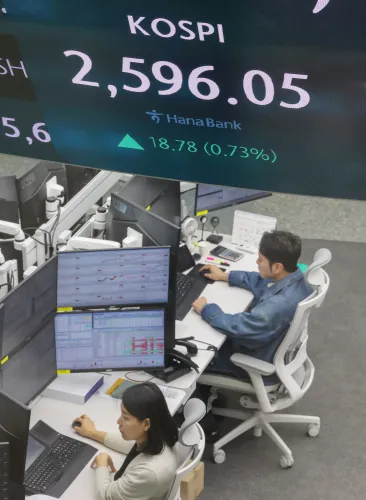
South Korean equities extended their recovery for a second straight session. The benchmark Korea Composite Stock Price Index (KOSPI) closed up 107.73 points, or 1.64%, at 6,687.21, building on a 0.26% gain from the previous day. The rally was underpinned by South Korea's strong export figures and easing anxiety over US interest rate trajectory.
Trade volume remained light at 235.5 million shares, worth 17.46 trillion won (approximately US$12.9 billion). Advancing stocks outnumbered decliners 546 to 309.
Foreign and Institutional Buying Leads the Charge
Foreign investors purchased a net 479.3 billion won (approximately US$354 million) worth of local equities during the session. Combined with institutional buying, foreign and institutional investors scooped up a net 2.15 trillion won, more than offsetting retail outflows of 3.72 trillion won.
Fed Commentary and Geopolitical Risks in Focus
'Rate hike concerns eased following comments from Federal Reserve Governor Christopher Waller, while risks stemming from the Middle East and the yen carry trade persist,' said Lee Kyoung-min, an analyst at Daishin Securities. Waller's remarks were interpreted by markets as signalling a less aggressive tightening path, boosting risk appetite across Asian markets. Notably, this is the second consecutive session in which easing Fed concerns have supported Korean assets, suggesting the sentiment shift may have legs — though analysts caution that yen carry trade volatility remains an overhang.
Point of View
A yen carry trade unwind, and a dovish signal from the Fed. That combination is powerful but fragile: remove any one leg and the currency's trajectory reverses quickly. The KOSPI's retail sell-off against foreign and institutional buying also signals a divergence in conviction — domestic investors are locking in gains while overseas money is still positioning for more. Whether this marks a durable re-rating of Korean assets or a tactical bounce will depend heavily on the next US inflation print and Tokyo's intervention posture on the yen.
NationPress
4 Sept 2026
Frequently Asked Questions
Why did the South Korean won hit a 14-month high on 4 September?
The won strengthened to 1,350.4 per dollar — its highest since 30 June last year — driven by a combination of Japanese yen strength, Korean exporters reducing dollar holdings, and SK Hynix converting US listing proceeds into the Korean currency. Easing US rate-hike expectations following Federal Reserve Governor Christopher Waller's comments also boosted sentiment.
What is the significance of SK Hynix's role in the won's rise?
SK Hynix Inc. converted proceeds from a major US listing back into the South Korean won, creating a large one-off inflow that amplified the currency's gains. This kind of corporate repatriation can have an outsized short-term impact on exchange rates.
How did South Korean stocks perform on 4 September?
The KOSPI closed up 107.73 points, or 1.64%, at 6,687.21 — its second consecutive session of gains. Strong export data and fading US interest rate concerns lifted risk appetite, with foreign and institutional investors buying a net 2.15 trillion won in equities.
What risks do analysts see despite the rally?
Daishin Securities analyst Lee Kyoung-min noted that while rate-hike fears have eased, risks from Middle East tensions and yen carry trade volatility persist. A reversal in yen strength or a hawkish Fed signal could quickly unwind the won's recent gains.
What were the foreign investor flows in South Korean markets?
Foreign investors purchased a net 479.3 billion won (approximately US$354 million) worth of local stocks during the session. Combined with institutional buying, net inflows from foreign and institutional investors totalled 2.15 trillion won, while retail investors offloaded 3.72 trillion won.