Samsung set to cross $146.6 billion cash mark, first South Korean firm to do so
Synopsis
Samsung Electronics is on the cusp of a historic first — becoming the only South Korean company to hold over $146.6 billion in cash. That war chest, nearly doubled in just one year, is the product of an AI-driven chip supercycle that sent Q3 net profit soaring 514.6%. The bigger question now: how Samsung deploys it between record capex and a landmark shareholder return programme.
Key Takeaways
Samsung Electronics is set to become the first South Korean firm with cash assets exceeding 200 trillion won ($146.6 billion) .
Cash and equivalents reached an estimated 214.8 trillion won in Q3 2026 , up 24.8 trillion won quarter-on-quarter and nearly double the year-ago figure of 108.5 trillion won .
Q3 net profit jumped 514.6% year-on-year to 75.13 trillion won ($56.2 billion) , driven by AI semiconductor demand.
Capital expenditure on chipmaking and R&D is set to exceed 100 trillion won in 2026, a historic high, with 84.4 trillion won earmarked for memory facility expansion.
Samsung has set aside 90–110 trillion won for shareholder returns in 2026 and will announce the next-year policy at a January 2027 board meeting.
Samsung Electronics is on the verge of becoming the first South Korean company to hold cash assets exceeding 200 trillion won ($146.6 billion), according to industry data released on Sunday, 8 November 2026. The milestone has been driven by a surging demand for artificial intelligence (AI)-related semiconductors, which has powered a chip supercycle that significantly swelled the company's reserves.
Cash Reserves Hit Record Levels
Cash and cash equivalents at the Seoul-based chip giant are estimated to have reached 214.8 trillion won as of the third quarter of 2026, marking an increase of 24.8 trillion won from the 190 trillion won recorded in the previous quarter. The figure is nearly double the 108.5 trillion won logged at the close of the third quarter of 2025, underscoring the pace at which Samsung's liquidity has expanded over just twelve months.
Total assets owned by the company reached 791.8 trillion won as of end-September 2026, up 32.4 trillion won from three months earlier.
Shareholder Returns and Capital Allocation
Market observers note that Samsung's current cash position is sufficient to fully fund the top-line payout under its landmark shareholder return policy, which was announced in August 2026. Under that policy, approximately 90 trillion won to 110 trillion won has been earmarked for shareholder returns in 2026. The company is scheduled to announce its shareholder policy for the coming year at a board meeting in January 2027.
Notably, the scale of Samsung's cash accumulation comes even as the company commits to record levels of capital expenditure. Investments into chipmaking infrastructure and research and development are expected to exceed 100 trillion won this year — a historic high — with 84.4 trillion won allocated specifically to expanding memory production facilities.
AI Chip Supercycle Powers Earnings Surge
The cash build-up is underpinned by a dramatic improvement in profitability. Samsung's third-quarter net profit surged more than sixfold from the same period a year ago, rising 514.6 percent to 75.13 trillion won ($56.2 billion), up from 12.22 trillion won in the corresponding quarter of 2025, the company disclosed in a regulatory filing. The world's largest memory chipmaker attributed the jump to sustained strong demand for AI-related semiconductors.
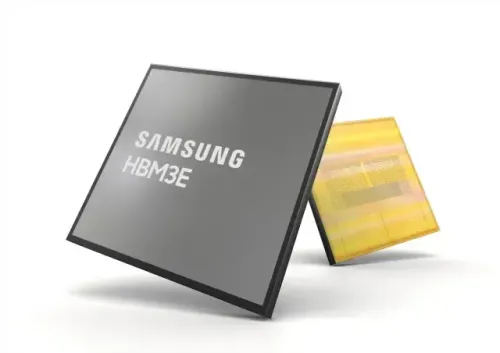
Samsung has indicated it expects the semiconductor supercycle to continue through next year, citing ongoing AI infrastructure investments globally and a tightening memory supply. This comes amid a broader industry pattern where AI server build-outs by hyperscalers — including major US technology firms — have driven extraordinary demand for high-bandwidth memory (HBM) and advanced DRAM.
What This Means for the Industry
Samsung's cash milestone sets it apart from every other South Korean corporation and positions it among the most liquid technology companies in the world. Critics and analysts, however, caution that sustaining this trajectory depends on the AI investment cycle holding, which remains subject to macroeconomic and geopolitical risks. The concentration of earnings in a single supercycle also raises questions about longer-term diversification of revenue streams.
With a January board meeting expected to shape the next phase of its capital return strategy, all eyes will be on how Samsung balances aggressive reinvestment with rewarding shareholders in what may be a defining year for the global chip industry.
Point of View
But supercycles are by definition cyclical. The January board meeting on shareholder policy will reveal whether Samsung's leadership sees the current cycle as a durable structural shift or a window that must be monetised quickly.
NationPress
8 Nov 2026
Frequently Asked Questions
Why is Samsung's cash milestone significant?
Samsung Electronics is set to become the first South Korean company ever to hold cash assets exceeding 200 trillion won ($146.6 billion), a threshold driven by record AI chip demand. The figure nearly doubled in just one year, reflecting the scale of the ongoing semiconductor supercycle.
What drove Samsung's cash pile to this level?
The primary driver is the AI chip supercycle — sustained global demand for AI-related semiconductors, particularly high-bandwidth memory (HBM) and advanced DRAM, has sharply lifted Samsung's revenues and profits. Q3 net profit surged 514.6% year-on-year to 75.13 trillion won ($56.2 billion).
How does Samsung plan to use this cash?
Samsung has earmarked 90 to 110 trillion won for shareholder returns in 2026 under a policy announced in August. Simultaneously, it is spending a record 100-plus trillion won on chipmaking infrastructure and R&D this year. The company will announce its shareholder policy for 2027 at a January board meeting.
Is Samsung's AI chip supercycle expected to last?
Samsung has stated it expects the supercycle to continue through 2027, citing ongoing AI infrastructure investments and a memory supply crunch. However, analysts note that supercycles are inherently cyclical and the outlook remains dependent on macroeconomic conditions and hyperscaler spending.
How much have Samsung's total assets grown?
Samsung's total assets reached 791.8 trillion won as of end-September 2026, an increase of 32.4 trillion won from the previous quarter, reflecting broad balance sheet expansion alongside the surge in liquid reserves.