Supreme Court upholds Bombay HC order quashing Yes Bank ₹8,415 crore AT1 bond write-down
Synopsis
In a landmark ruling, the Supreme Court has shut the door on Yes Bank, the RBI, and the government — affirming that the ₹8,415 crore write-down of AT1 bonds during the 2020 rescue was legally untenable. The verdict redraws the boundaries of how creditor losses can be imposed in future bank bailouts and could trigger a compensation battle that tests both the banking regulator and the restructured lender.
Key Takeaways
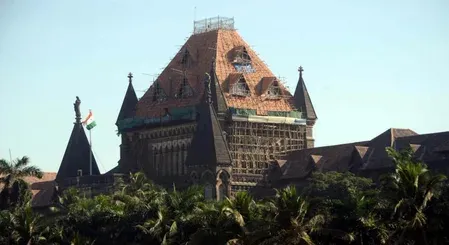
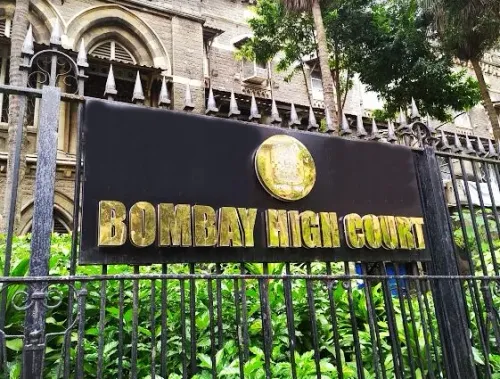
The Supreme Court on 15 October 2026 upheld the Bombay High Court's January 2023 order quashing Yes Bank's write-down of ₹8,415 crore in AT1 bonds .
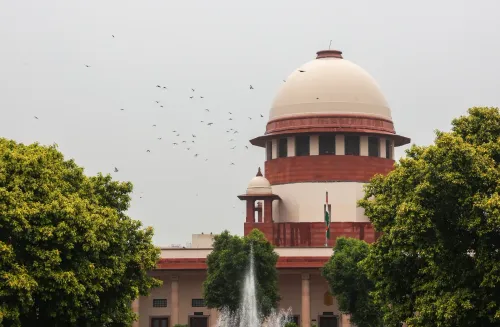
A Bench of Justice Dipankar Datta and Justice Augustine George Masih dismissed appeals by Yes Bank , the RBI , and the Union government .
The AT1 bonds were written down in March 2020 as part of a reconstruction scheme backed by an SBI -led consortium.
The court examined whether the write-down authority flowed from the reconstruction scheme or from Section 45 of the Banking Regulation Act .
The ruling is expected to reshape how future bank restructurings handle creditor losses and how AT1 instruments are regulated in India.
The Supreme Court on Thursday, 15 October 2026, upheld a Bombay High Court ruling that had struck down the write-down of Yes Bank's Additional Tier-1 (AT1) bonds worth ₹8,415 crore, delivering a significant legal victory to thousands of investors caught in the lender's 2020 rescue exercise. A Bench comprising Justice Dipankar Datta and Justice Augustine George Masih dismissed appeals filed by Yes Bank, the Reserve Bank of India (RBI), and the Union government.
What the Court Decided
The apex court's order effectively affirms the Bombay High Court's January 2023 judgment, which had invalidated the extinguishment of AT1 bonds as part of the bank's reconstruction scheme. The verdict arrives nearly five months after the Supreme Court reserved its judgment following detailed submissions from all parties — regulators, the government, the lender, and investor groups. The prolonged legal battle, spanning over three years since the High Court's ruling, has now been conclusively settled at the highest judicial level.
Background: The 2020 Yes Bank Crisis
The dispute traces its origins to March 2020, when Yes Bank faced acute stress from deteriorating asset quality and a sharp erosion in depositor confidence. The RBI superseded the bank's board and placed it under a moratorium, clearing the path for a government-approved reconstruction scheme. A consortium led by the State Bank of India (SBI) injected fresh capital to stabilise the lender. As part of that rescue package, the bank's administrator ordered a complete write-down of AT1 bonds amounting to ₹8,415 crore, wiping out the holdings of retail and institutional investors who had purchased these instruments.
The Legal Question at the Heart of the Case
A central issue before the Supreme Court was whether the authority to extinguish the AT1 bonds derived from the reconstruction scheme itself or from the RBI's regulatory framework and the contractual provisions of the securities. The Bench closely examined the legal architecture governing banking restructurings — specifically, the conditions under which a bank can be deemed fully reconstructed under Section 45 of the Banking Regulation Act. Notably, AT1 instruments are contractually designed to absorb losses during financial distress and can be written down when specified regulatory and contractual triggers are met. A key sub-question was whether a non-viability trigger for AT1 write-downs could operate independently or had to be linked to a completed reconstruction process.
Impact on Investors and the Banking Sector
The ruling is a landmark outcome for AT1 bondholders — a class of investors that includes both retail buyers who purchased these instruments through bank branches and large institutional funds. Critics had long argued that the write-down violated fair procedure and that investors were not adequately warned of the risks embedded in AT1 securities at the time of sale. This verdict may prompt a reassessment of how AT1 instruments are marketed, priced, and regulated in India going forward. Industry observers note that the judgment could also influence how future bank reconstruction schemes are structured by the RBI and the government, particularly around the sequencing of creditor losses.
What Happens Next
With the Supreme Court dismissing the appeals, the Bombay High Court's order quashing the bond write-down stands. Legal and banking experts anticipate that the next phase will involve determining the precise remedy available to AT1 bondholders — including whether Yes Bank is obligated to compensate them and, if so, the quantum and modality of such relief. The RBI and the government may also review the regulatory framework governing AT1 instruments to prevent similar disputes in future restructurings.
Point of View
415 crore worth of bondholders, the question of who ultimately bears that cost — the bank, its shareholders, or the public-sector consortium that backed the rescue — will be deeply uncomfortable. More broadly, India's AT1 market was already shaken by this episode; the verdict may finally force the RBI to issue clearer, investor-facing disclosure rules for instruments that are structurally risky but were sold to retail buyers as near-fixed-income products.
NationPress
15 Oct 2026
Frequently Asked Questions
What did the Supreme Court rule in the Yes Bank AT1 bond case?
The Supreme Court upheld the Bombay High Court's January 2023 order that had struck down the write-down of Yes Bank's AT1 bonds worth ₹8,415 crore. The Bench dismissed appeals by Yes Bank, the RBI, and the Union government, bringing a definitive close to the legal battle over the 2020 bond extinguishment.
What are AT1 bonds and why were Yes Bank's written down?
Additional Tier-1 (AT1) bonds are hybrid capital instruments that banks issue to meet regulatory capital requirements; they are designed to absorb losses when a bank faces financial distress. Yes Bank's administrator ordered a complete write-down of ₹8,415 crore in AT1 bonds in March 2020 as part of a government-approved reconstruction scheme backed by an SBI-led consortium.
Why did the courts strike down the Yes Bank AT1 bond write-down?
The Bombay High Court, affirmed by the Supreme Court, found that the extinguishment of the AT1 bonds was legally untenable. A central question was whether the authority to write down the bonds derived from the reconstruction scheme or from the RBI's regulatory framework and the contractual terms of the bonds — and whether a non-viability trigger could operate independently of a completed reconstruction process.
What happens to Yes Bank AT1 bondholders now?
With the Supreme Court upholding the High Court order, the write-down stands quashed. Legal and banking experts expect the next phase to focus on the remedy — whether Yes Bank is required to compensate bondholders, and in what form and quantum that compensation would be made available.
How could this verdict affect future bank rescues in India?
The ruling is expected to prompt the RBI and the government to reassess how AT1 instruments are treated in future bank reconstruction schemes, particularly the sequencing of creditor losses. It may also lead to stricter disclosure requirements for AT1 bonds, which were sold to retail investors despite carrying significant loss-absorption risk.