Bharat Sandesh: India launches sovereign govt-to-citizen messaging platform on BSNL
Synopsis
India has launched Bharat Sandesh, a sovereign government-to-citizen messaging platform built on BSNL infrastructure — applying the same logic that created UPI for payments, now to official communications. Every government message, its data, and metadata will stay within Indian jurisdiction, ending dependence on foreign-owned platforms for state-to-citizen outreach.
Key Takeaways
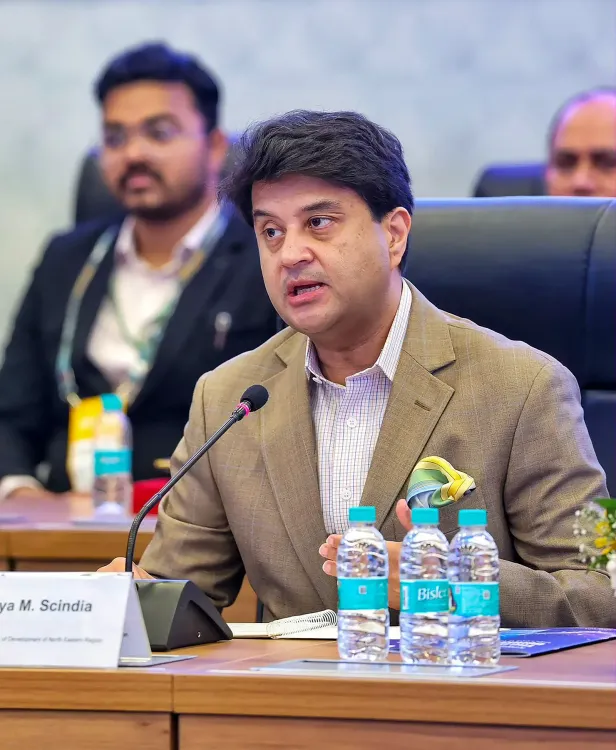
Communications Minister Jyotiraditya Scindia launched Bharat Sandesh on 10 October at India Mobile Congress 2026 in New Delhi .
The platform is built on BSNL 's network and powered by the ViH Messenger SDK , developed jointly with ViH Metaverse Pvt Ltd .
All message data and metadata remain within Indian jurisdiction , replacing dependence on foreign-owned messaging infrastructure.
Citizens receive verified sender badges , rich media messages, regional-language support, and delivery receipts.
The platform replaces fragmented SMS gateways and third-party bulk-messaging vendors with a single auditable government channel.
The initiative mirrors the UPI model — keeping revenue from India's official messaging traffic within India.
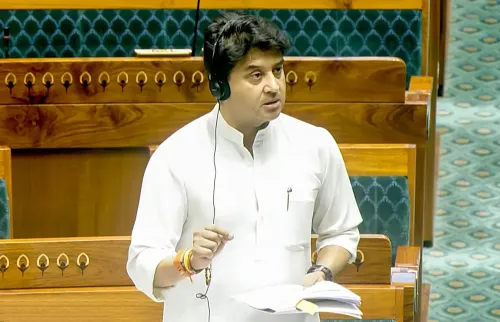
Communications Minister Jyotiraditya Scindia on 10 October unveiled Bharat Sandesh, India's first sovereign government-to-citizen rich-messaging platform, built on Bharat Sanchar Nigam Limited (BSNL)'s network and powered by the ViH Messenger software development kit (SDK). The platform was launched at the BSNL pavilion during India Mobile Congress 2026 in New Delhi, marking a significant shift in how the Indian state communicates with its citizens.
What Bharat Sandesh Does
The platform enables government departments and public sector undertakings to reach citizens with verified, rich, regional-language messages over infrastructure that India owns and controls. Unlike the current system — where most government messages travel over platforms owned and operated abroad — every message sent via Bharat Sandesh, along with its data and metadata, remains within Indian jurisdiction, hosted on Indian infrastructure and subject to Indian law.
Citizens receive verified sender badges, allowing them to distinguish a genuine government scheme alert from a fraudulent message at a glance. The platform also supports rich messages containing images, documents, and interactive cards, replacing plain SMS text. Additional features include delivery and read receipts, communication in regional languages, and for BSNL subscribers, seamless access integrated into the Selfcare experience.
The Sovereign Infrastructure Argument
Bharat Sandesh was jointly developed by BSNL and ViH Metaverse Pvt Ltd. The platform's architects draw a deliberate parallel with the Unified Payments Interface (UPI) — India's homegrown payments rail — arguing that messaging infrastructure deserves the same sovereign treatment as financial infrastructure. According to the official statement, revenue earned from carrying India's government messages will remain within India, supporting the growth of a domestic industry rather than flowing to foreign platforms.
Soumadri Sen, Founder and Chief Executive Officer of ViH Metaverse Pvt Ltd, articulated the platform's core promise: 'Every citizen should be able to tell, at a glance, that a message is really from their government, and every department should know that no decision made in a foreign boardroom can stop it reaching them. That is what Bharat Sandesh is for.'
Replacing Fragmented Messaging Gateways
For the government, Bharat Sandesh provides a single, auditable channel through which departments and PSUs can broadcast verified communications at national scale. This directly replaces the fragmented ecosystem of SMS gateways and third-party bulk-messaging vendors that currently handle official communications — a system critics have long flagged as vulnerable to impersonation and data leakage.
Notably, the absence of a unified sovereign messaging layer has historically made it difficult for citizens to verify the authenticity of government alerts, contributing to the proliferation of scam messages mimicking official sources.
Significance and What Comes Next
The launch at India Mobile Congress 2026 signals the Centre's intent to extend digital sovereignty beyond payments and into the communications stack. Whether Bharat Sandesh achieves mass adoption will depend on the pace of onboarding government departments and the platform's rollout beyond BSNL's existing subscriber base. Industry observers will be watching for a formal integration timeline and a broader operator expansion plan in the months ahead.
Point of View
But the harder challenge lies ahead: getting hundreds of government departments to actually migrate onto a single platform when fragmented SMS vendors have been entrenched for years. The UPI analogy is apt in aspiration, but UPI succeeded partly because it was mandated for payment apps and backed by a network-effect flywheel — messaging lacks both of those forcing functions. The platform's credibility will ultimately rest on how quickly it moves beyond BSNL's subscriber base and whether independent audits of its data-sovereignty claims are made publicly available. Announcing a sovereign channel is the easy part; making it the default is the governance test.
NationPress
10 Oct 2026
Frequently Asked Questions
What is Bharat Sandesh?
Bharat Sandesh is India's sovereign government-to-citizen rich-messaging platform, built on BSNL's network and powered by the ViH Messenger SDK. It allows government departments and PSUs to send verified, regional-language messages to citizens over Indian-owned infrastructure, keeping all data within Indian jurisdiction.
Who launched Bharat Sandesh and when?
Communications Minister Jyotiraditya Scindia launched Bharat Sandesh on 10 October at the BSNL pavilion during India Mobile Congress 2026 in New Delhi. The platform was jointly developed by BSNL and ViH Metaverse Pvt Ltd.
How is Bharat Sandesh different from existing government SMS systems?
Unlike the current fragmented system of third-party SMS gateways and bulk-messaging vendors — many of which are foreign-owned — Bharat Sandesh routes all official communications through a single auditable channel on Indian infrastructure. Citizens also receive verified sender badges to distinguish genuine government alerts from scam messages.
Who benefits from Bharat Sandesh and how?
Citizens benefit through verified sender identification, rich media messages with images and documents, regional-language delivery, and read receipts. Government departments benefit from a unified, auditable broadcast channel that replaces multiple third-party vendors and reduces impersonation risk.
How does Bharat Sandesh relate to UPI?
The platform's creators draw an explicit parallel with UPI, arguing that just as India built its own payments rail to keep financial infrastructure sovereign, Bharat Sandesh applies the same logic to messaging. Revenue from carrying official government messages is intended to stay within India rather than flow to foreign platforms.