Army destroys 5 landmines along LoC in J&K's Poonch district

Synopsis
Five landmines quietly neutralised along the LoC in Poonch — but the bigger story is drift mines, which silently migrate from marked minefields after heavy rains and claim civilian lives in areas no one considered dangerous. With over 80% of landmine casualties being civilians, the Army's routine patrol just averted a potentially devastating outcome.
Key Takeaways
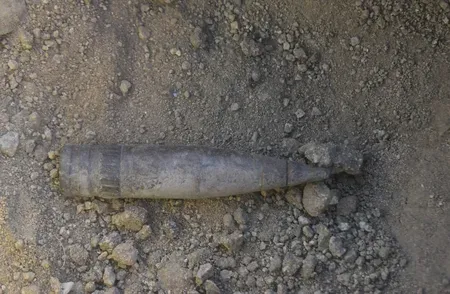
The Indian Army detected and destroyed five landmines along the LoC in Poonch district, Jammu and Kashmir on 10 October .
Two mines were found on Saturday morning near the border fence at Basoni Top ; three others were located in the same area the previous day.
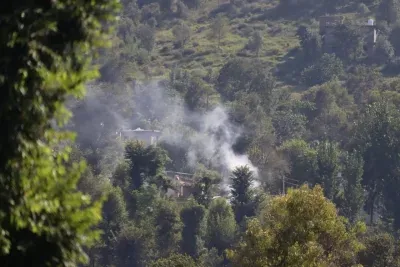
All explosives were neutralised through controlled explosions by the Army's Bomb Disposal Squad without causing any damage.
Heavy rainfall can displace LoC mines from their original positions, creating unpredictable 'drift landmine' hazards for civilians and security forces.
Globally, nearly 4 in 10 landmine victims die from injuries; civilians make up more than 80% of all casualties.
The Indian Army on Saturday, 10 October confirmed that it detected and safely destroyed five landmines along the Line of Control (LoC) in Poonch district, Jammu and Kashmir, preventing a potential threat to civilians and security personnel in the sensitive border zone.
How the Mines Were Found
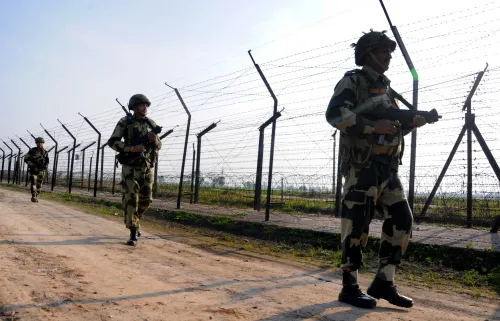
According to Army officials, two landmines were detected by an Army patrol party near the border fence in the Basoni Top area on Saturday morning. Three additional mines had been located in the same area the previous day, bringing the total to five over a two-day operation.
'The explosives were subsequently destroyed through controlled explosions by the Bomb Disposal Squad of the Army without causing any damage,' officials said.
The Drift Landmine Threat
The forward areas along the LoC are embedded with landmines as part of an anti-infiltration obstacle system. However, Army officials noted that heavy rainfall can dislodge mines from their original positions, causing them to surface in unexpected locations — a phenomenon technically referred to as 'drift landmines'.
Drift landmines are mines that physically shift from their originally mapped positions due to natural forces such as floods, heavy rains, or landslides. Because they migrate away from marked minefields, they are particularly dangerous — catching civilians and even security forces completely off-guard in areas not previously considered hazardous.
Why Drift Mines Are So Dangerous
Drift landmine explosions cause severe trauma, including soft-tissue damage, skeletal fractures, and traumatic amputations. Globally, according to available humanitarian data, nearly four out of ten landmine victims die from their injuries, largely because such incidents occur in remote areas far from emergency medical care.
Civilians account for more than 80 per cent of all landmine casualties, with children disproportionately affected due to their smaller size and greater vulnerability to blast waves. The unpredictable and untraceable nature of drift mines amplifies their humanitarian, economic, and environmental impact.
Context and Broader Significance
The Poonch sector has historically been one of the most active stretches of the LoC, with regular incidents involving infiltration attempts and cross-border threats. This comes amid ongoing security operations in Jammu and Kashmir, where the Army has intensified patrolling in forward areas. The timely detection and controlled destruction of these mines underscores the critical role of routine border surveillance in averting civilian casualties in the region.
With the onset of post-monsoon conditions, Army officials are expected to continue enhanced vigilance for additional drift mines across vulnerable stretches of the LoC.
Point of View
But it also surfaces a structural vulnerability that rarely gets sustained attention: the drift landmine problem along the LoC is as much a monsoon-season crisis as a security one. India's anti-infiltration minefield system was designed for a static threat, yet climate-driven displacement of mines turns that system into an indiscriminate hazard for the very civilians it is meant to protect. There is no public data on how many drift mine incidents occur annually along the LoC, and the absence of that transparency makes it impossible to assess whether current detection protocols are adequate or merely reactive.
NationPress
11 Oct 2026
Frequently Asked Questions
What happened with landmines along the LoC in Poonch?
The Indian Army detected and safely destroyed five landmines near the border fence in the Basoni Top area of Poonch district, Jammu and Kashmir, on 10 October. Two were found on Saturday morning and three the previous day; all were neutralised through controlled explosions by the Army's Bomb Disposal Squad without any damage.
What are drift landmines and why are they dangerous?
Drift landmines are mines that shift from their originally mapped positions due to natural forces such as heavy rainfall, floods, or landslides. Because they migrate away from marked minefields, they pose an unpredictable threat in areas not previously considered hazardous, making them especially dangerous for civilians and first responders.
Who is most at risk from drift landmines?
Civilians bear the greatest risk, accounting for more than 80% of all landmine casualties globally. Children are disproportionately affected due to their smaller size and higher vulnerability to blast waves. Globally, nearly four out of ten landmine victims die from their injuries, often because incidents occur in remote areas far from medical care.
Why are landmines present along the LoC in Jammu and Kashmir?
The forward areas along the Line of Control are embedded with landmines as part of an anti-infiltration obstacle system designed to deter cross-border movement. However, seasonal heavy rainfall can dislodge these mines, causing them to surface in unintended locations and posing risks beyond the original minefield boundaries.
What happens after the mines are detected and destroyed?
The Army's Bomb Disposal Squad conducts controlled explosions to neutralise detected mines safely. Following post-monsoon conditions, Army officials are expected to maintain heightened surveillance along vulnerable LoC stretches to identify and destroy any additional drift mines before they can cause harm.