Two soldiers injured in landmine blast in J&K's Poonch district
Synopsis
Two Army soldiers were injured when a landmine detonated during a defusal attempt in J&K's Poonch district — a recurring hazard as monsoon rains displace buried anti-personnel mines from the LoC's anti-infiltration grid into patrol routes. A separate hand grenade was also safely destroyed nearby the same day.
Key Takeaways
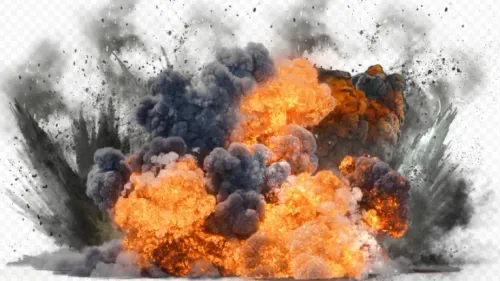
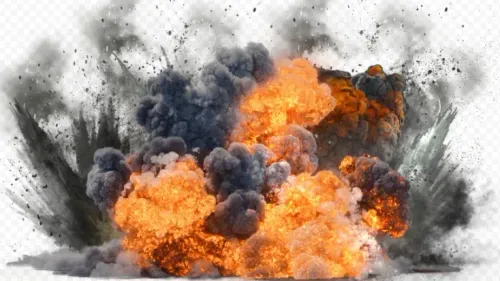
Two Indian Army soldiers were injured when a landmine detonated at Kanga Gali , Mendhar sector , Poonch district , on Wednesday night .
The device was spotted by a patrolling party; specialist personnel were summoned to defuse it before it went off.
Both injured soldiers were immediately evacuated to an Army hospital for treatment.
The incident involves a 'drift landmine' — mines dislodged from the Line of Control anti-infiltration grid by monsoon rains, floods, and soil erosion.
Similar accidents have previously occurred in Baramulla , Poonch , and Rajouri districts.
A rusted hand grenade was also recovered from the Nalwa Degwar Terwan area and safely destroyed by the Army's bomb disposal squad.
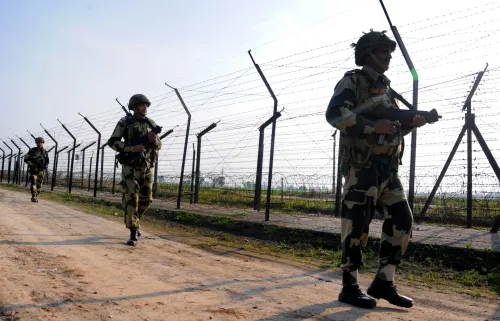
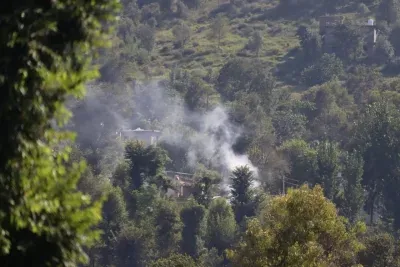
Two Indian Army soldiers were injured on Wednesday night when a landmine they were attempting to defuse detonated in Poonch district, Jammu and Kashmir, according to officials. The incident occurred at Kanga Gali in the Mendhar sector, where a patrolling party had earlier spotted the explosive device and summoned a specialist team to neutralise it.
What Happened at Kanga Gali
The patrolling party detected the landmine and called in expert personnel to carry out the defusal. The device detonated before the operation could be completed, injuring the two soldiers. 'The injured soldiers were immediately rushed to an Army hospital for treatment,' officials said. Their current condition has not been officially disclosed.
Separately, a rusted unexploded ordnance — believed to be a hand grenade — was recovered from the Nalwa Degwar Terwan area by labourers engaged in road construction work. The device was subsequently destroyed safely by the Army's bomb disposal squad.
The Drift Landmine Threat Along the LoC
Officials explained that the forward areas along the Line of Control (LoC) are seeded with landmines as part of an anti-infiltration obstacle system. These devices are technically classified as 'drift landmines' — mines that are dislodged from their original positions by monsoon rains, flash floods, soil erosion, and mudslides, and carried into previously cleared or unmarked pathways.
Heavy monsoon weather strips away the safety of mapped and fenced minefields by shifting buried, often rusted anti-personnel explosives down ridges and into streams or patrol routes. The result is that mines end up in areas where soldiers, border residents, and livestock have no warning of their presence.
A Recurring Hazard Across Districts
This is not an isolated incident. Drift landmine accidents have occurred previously in Baramulla, Poonch, and Rajouri districts — all areas where strips of 'No Man's Land' are covered by anti-infiltration landmine grids. The combination of rugged mountain terrain and increasingly severe monsoon seasons has made drift landmines one of the most persistent hazards for troops and civilians in the region.
Notably, the Mendhar sector in Poonch sits in a particularly sensitive zone close to the LoC, where terrain and weather conditions make mine displacement a recurring seasonal risk.
What Comes Next
Army units continue to conduct patrolling and ordnance clearance operations across the affected sectors. As the monsoon season intensifies, the risk of further drift landmine incidents in Poonch, Rajouri, and Baramulla districts is expected to remain elevated. Authorities have not announced any change in operational protocols in the wake of Wednesday's incident.
Point of View
Yet the incidents recur every year across Poonch, Rajouri, and Baramulla. The deeper question is whether the anti-infiltration benefit of LoC minefields continues to outweigh the cumulative cost in soldier and civilian casualties — a debate that rarely surfaces in mainstream coverage of J&K security.
NationPress
20 Sept 2026
Frequently Asked Questions
What happened in the Poonch landmine incident?
Two Indian Army soldiers were injured when a landmine they were attempting to defuse exploded at Kanga Gali in the Mendhar sector of Poonch district, Jammu and Kashmir, on Wednesday night. The device had been spotted by a patrolling party, which then summoned expert personnel to neutralise it.
What is a drift landmine?
A drift landmine is an anti-personnel mine that has been dislodged from its original position — typically part of an anti-infiltration grid along the Line of Control — by monsoon rains, flash floods, or soil erosion. Once displaced, it can settle in previously cleared or unmarked areas, posing a hazard to soldiers, residents, and livestock.
Which districts in J&K are most affected by drift landmine accidents?
Drift landmine accidents have occurred in Baramulla, Poonch, and Rajouri districts, all of which have strips of 'No Man's Land' seeded with landmines as part of the anti-infiltration obstacle system along the Line of Control.
Was anyone else at risk near the site?
In the same general area, labourers working on road construction in Nalwa Degwar Terwan discovered a rusted unexploded ordnance believed to be a hand grenade. The Army's bomb disposal squad safely destroyed the device, preventing any casualties.
Why do drift landmine incidents increase during monsoon season?
Heavy monsoon rainfall, cloudbursts, flash floods, and mudslides erode mountain terrain and shift buried, often rusted explosives down ridges and into streams or patrol routes. This strips away the safety provided by mapped and fenced minefields, making the monsoon months the highest-risk period for such incidents.