SMAM scheme: 21.61 lakh farm machines reach small farmers, ₹9,404 crore deployed
Synopsis
India's SMAM scheme has quietly become one of the country's most expansive farm mechanization drives — distributing over 21 lakh machines, building nearly 28,000 hiring centres, and funding more than 40,000 drone demonstrations. With ₹9,404 crore deployed and a clear tilt toward small farmers and the North-East, the mission signals a structural shift in how the Centre is approaching agricultural productivity.
Key Takeaways
21.61 lakh agricultural machines distributed to individual farmers under SMAM with ₹9,404.47 crore in central support.
27,554 Custom Hiring Centres , 646 Hi-tech Hubs , and 25,608 Farm Machinery Banks established under the scheme.
Individual farm machinery beneficiaries grew from 2.07 lakh (2020–21) to 2.32 lakh (2024–25) .
ICAR conducted over 40,928 drone demonstrations across 40,918 hectares with ₹52.50 crore in dedicated support.
Special focus on small farmers, women, disadvantaged groups , and North-Eastern states to reduce regional mechanization gaps.
FPOs eligible for up to 75 per cent grant support for drone procurement; eligible institutions receive up to ₹10 lakh per drone .
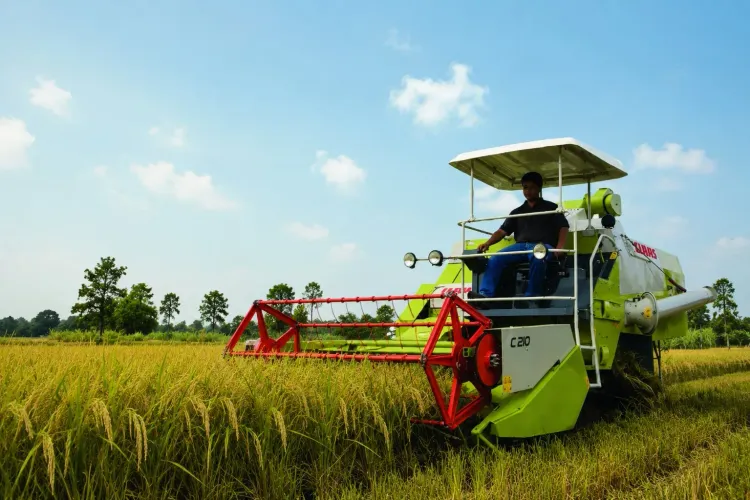
The Centre's Sub-Mission on Agricultural Mechanization (SMAM) has facilitated the distribution of 21.61 lakh agricultural machines to individual farmers, backed by a central outlay of ₹9,404.47 crore, according to an official statement released on Thursday, 9 July. The scheme marks one of the largest government-backed farm mechanization drives in India's recent history.
Key Developments Under SMAM
Beyond individual machinery distribution, SMAM has supported the establishment of 27,554 Custom Hiring Centres, 646 Hi-tech Hubs, and 25,608 Farm Machinery Banks across the country. Custom Hiring Centres are units comprising a set of farm machinery, implements, and equipment available for hire by farmers who cannot afford outright purchase.
The number of beneficiaries owning individual farm machinery rose from 2.07 lakh in 2020–21 to 2.32 lakh in 2024–25, reflecting a steady expansion in direct ownership among farming households over four years.
Focus on Underserved Regions and Marginalised Groups
The mission has placed special emphasis on expanding access for small farmers, women, and disadvantaged groups through targeted mechanization support. Underserved states and North-Eastern states have received focused attention to address longstanding regional disparities in access to farm technology — a gap that has historically limited agricultural productivity in these areas.
Drone Adoption and Precision Agriculture
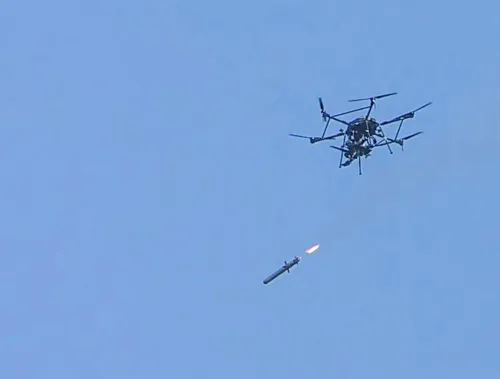
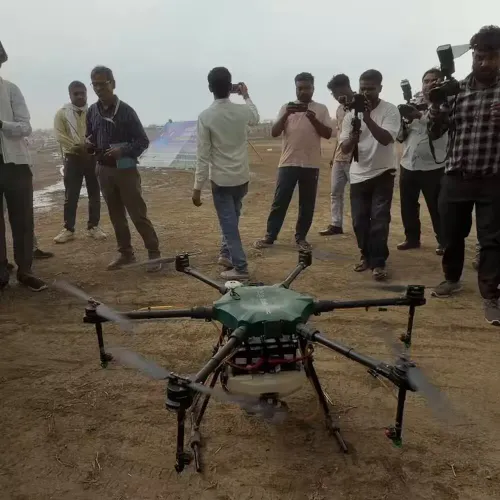
SMAM has also emerged as a key driver of drone-based agriculture in India. With a dedicated financial support of ₹52.50 crore, the Indian Council of Agricultural Research (ICAR) conducted over 40,928 drone demonstrations covering 40,918 hectares nationwide, promoting precision agriculture adoption at scale.
These demonstrations focused on the application of nutrients, fertilizers, and agro-chemicals in line with prescribed standard operating procedures. To encourage wider uptake, SMAM provides financial assistance for drone procurement and field demonstrations.
Eligible institutions — including ICAR institutes, Krishi Vigyan Kendras (KVKs), and State Agricultural Universities — receive 100 per cent financial support of up to ₹10 lakh per drone. Farmer-Producer Organizations (FPOs) qualify for grant support of up to 75 per cent, while agencies operating drones on a service model receive a contingency expenditure of ₹6,000 per hectare.
What This Means for Indian Agriculture
India's agricultural sector — where small and marginal farmers account for the majority of landholdings — has long faced mechanization deficits that constrain productivity and raise labour costs. SMAM's layered approach, combining individual ownership support, shared-use infrastructure, and precision technology, represents a structural attempt to address this gap. This is the mission's most comprehensive progress update in recent years, and it comes as the Centre prepares its next agricultural policy cycle.
Point of View
But the more telling metric is the pace of ownership growth — from 2.07 lakh to 2.32 lakh individual beneficiaries over four years — which suggests the scheme is reaching farmers incrementally rather than transformatively. The real structural question is whether Custom Hiring Centres are being utilised at scale or simply established on paper; utilisation data remains absent from official releases. The drone push, while well-funded, covers under 41,000 hectares in a country with over 140 million hectares of net sown area — a fraction that underscores how early-stage precision agriculture adoption remains. The North-East focus is welcome, but without district-level outcome data, it is difficult to assess whether regional disparities are actually narrowing.
NationPress
9 Jul 2026
Frequently Asked Questions
What is the SMAM scheme and what has it achieved?
The Sub-Mission on Agricultural Mechanization (SMAM) is a Central government programme that subsidises farm machinery access for individual farmers, farmer groups, and institutions. As of July 2025, it has distributed 21.61 lakh machines with ₹9,404.47 crore in central support, and established over 27,000 Custom Hiring Centres and 25,000 Farm Machinery Banks nationwide.
Who benefits from SMAM and are small farmers included?
SMAM specifically targets small farmers, women, and disadvantaged groups, with additional focus on underserved and North-Eastern states. Custom Hiring Centres allow farmers who cannot afford to buy machinery outright to hire equipment, broadening access beyond direct ownership.
How does SMAM support drone use in agriculture?
SMAM allocated ₹52.50 crore to ICAR for large-scale drone field demonstrations, resulting in over 40,928 demonstrations covering 40,918 hectares. Eligible institutions receive 100 per cent financial support of up to ₹10 lakh per drone, while FPOs receive up to 75 per cent grant support.
What are Custom Hiring Centres under SMAM?
Custom Hiring Centres are scheme-supported units comprising a set of farm machinery, implements, and equipment available for hire by farmers. SMAM has helped establish 27,554 such centres across India, making mechanization accessible to farmers who lack the capital for outright purchase.
How has individual farm machinery ownership changed under SMAM?
The number of individual farm machinery beneficiaries under SMAM rose from 2.07 lakh in 2020–21 to 2.32 lakh in 2024–25, according to official data — an increase of roughly 25,000 direct beneficiaries over four years.