EV registrations surge in Surat as tax cut to 1% and charging network expand
Synopsis
In Surat, Gujarat, EV registrations are climbing fast — and the numbers at dealerships back it up. A local BYD outlet moved 90 cars in three months, while the state's decision to slash EV motor vehicle tax from 6% to just 1% is giving buyers a concrete financial reason to switch. The ground-level data from the RTO suggests India's EV shift is no longer just a policy aspiration.
Key Takeaways
EV registrations in Surat, Gujarat have risen sharply, according to the city's Assistant RTO Ankit Shah .
The Gujarat government has reduced motor vehicle tax on EVs to 1% , down from 6% on petrol and diesel vehicles.
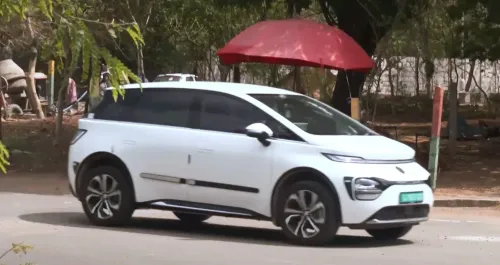
Cargo Group BYD dealership in Surat sold nearly 90 cars in the last three months , with 65 vehicles already delivered.
Fuel price concerns and geopolitical tensions are cited as key factors pushing consumers toward EVs.
EV buyer Dhiraj Jha chose BYD citing its global battery manufacturing credentials and Tesla's reported use of BYD batteries.
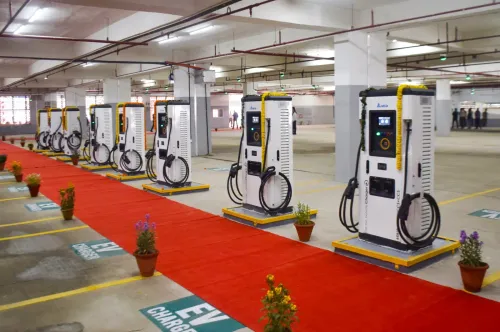
Electric vehicle registrations in Surat, Gujarat have risen sharply in recent months, driven by a combination of lower running costs, a tax rate cut from 6% to 1% on EVs, expanding charging infrastructure, and growing consumer anxiety over fuel price volatility. The trend reflects a broader national shift toward clean mobility that officials and dealers say is now accelerating at the ground level.
What the RTO Data Shows
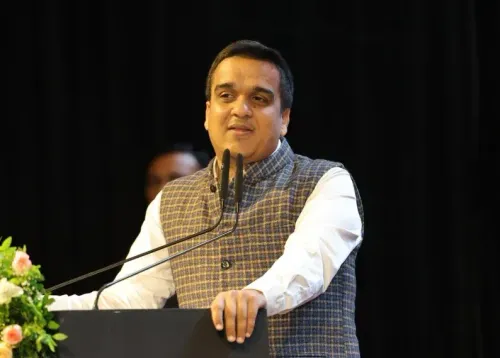
Assistant Regional Transport Officer Ankit Shah said EV adoption in the city has seen a marked uptick, with residents responding positively to the Centre's push for electric mobility. 'The registration capacity of electric vehicles has increased a lot,' Shah said, attributing the momentum to both government incentives and improved charging access.
Shah highlighted a significant fiscal lever: while conventional petrol and diesel vehicles attract a motor vehicle tax of 6%, the Gujarat government has slashed that rate to just 1% for electric vehicles. Subsidies across various EV categories add to the financial appeal, he noted.
Dealership Numbers Reflect the Demand
Shagun Soni, Sales Manager at Cargo Group BYD car dealership in Surat, said geopolitical tensions and the resulting uncertainty around fuel prices are pushing more buyers toward EVs. The dealership sold nearly 90 cars in the last three months, of which 65 vehicles have already been delivered to customers.
Soni expressed confidence that the brand's growth trajectory in India would steepen further once local manufacturing begins. 'The company is in expansion mode,' he said.
What Buyers Are Saying
Consumer sentiment is also shifting toward globally established EV brands with proven battery technology. Surat-based EV buyer Dhiraj Jha said he chose BYD after researching the company's global footprint and product range online. 'The first choice was to buy an electric car which is globally established in the market,' Jha said.
Jha noted that even Tesla sources batteries from BYD, describing the Chinese automaker as one of the world's largest battery manufacturers — a factor that influenced his purchase decision.
The Broader Policy Context
This comes amid sustained central and state-level efforts to accelerate India's EV transition. The Gujarat government's subsidy framework, combined with the Motor Vehicle Department's preferential tax structure, has made Surat one of the more active EV markets in western India. Notably, the push aligns with Prime Minister Narendra Modi's repeated calls for reducing India's dependence on imported fossil fuels.
With local manufacturing by global OEMs expected to bring down vehicle prices further, industry observers say the current demand curve in cities like Surat could steepen considerably over the next two to three years.
Point of View
When the incentives are direct and visible. A five-percentage-point tax cut is the kind of concrete saving a buyer can calculate at the showroom; vague subsidy schemes are not. The BYD dealership's 90-unit quarter also signals that Chinese EV brands are gaining real consumer trust in India, which has implications for domestic manufacturers who have so far relied on brand familiarity. The missing data point here is the charging infrastructure density — without granular numbers on operational chargers per square kilometre in Surat, the 'improving infrastructure' claim remains anecdotal. That gap matters for policy accountability.
NationPress
26 Sept 2026
Frequently Asked Questions
Why are EV registrations rising in Surat, Gujarat?
EV registrations in Surat are rising due to a combination of the Gujarat government's subsidy schemes, a reduced motor vehicle tax rate of 1% on EVs compared to 6% on petrol and diesel vehicles, expanding charging infrastructure, and consumer concern over rising fuel prices.
What tax benefits does Gujarat offer on electric vehicles?
The Gujarat government has cut the motor vehicle tax on electric vehicles to 1%, compared to 6% levied on conventional petrol and diesel vehicles. The state also offers subsidies across various EV categories to encourage adoption.
How many EVs has the BYD dealership in Surat sold recently?
Cargo Group BYD in Surat sold nearly 90 cars in the last three months, of which 65 vehicles have already been delivered to customers, according to Sales Manager Shagun Soni.
Why did Surat buyer Dhiraj Jha choose BYD over other EV brands?
Dhiraj Jha said he chose BYD after researching the company's global presence and battery technology online. He noted that even Tesla reportedly uses BYD batteries, describing BYD as one of the world's biggest battery manufacturers.
What is driving EV demand in Gujarat beyond government incentives?
Beyond tax benefits and subsidies, rising global fuel prices linked to geopolitical tensions are prompting more consumers to consider EVs for their lower running costs. Improved charging infrastructure and the availability of globally established brands have also made the switch more practical for buyers.