PM Modi urges GSMA board: Technology must drive inclusive, sustainable growth
Synopsis
Ahead of the India Mobile Congress, PM Modi told the GSMA board that India's Digital Public Infrastructure model is ready to be a template for the Global South — and pushed for urgent global rules on deepfakes and AI-generated content. It is a signal that New Delhi wants a seat at the table when the world writes the rules for emerging technology.
Key Takeaways
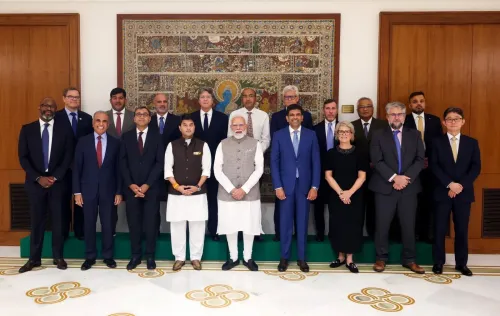
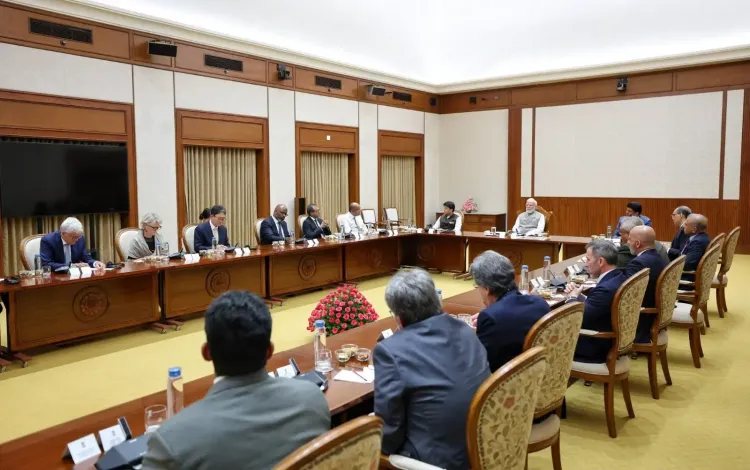
PM Modi met GSMA board members on 6 October 2026 in New Delhi ahead of the India Mobile Congress .
Modi stressed that digital services must be affordable and accessible, especially for Global South nations, to prevent a widening digital divide .
He called Digital Public Infrastructure (DPI) a 'springboard' for developing economies, citing growing global interest in India's model.
The PM called for technology-driven solutions and user awareness campaigns to combat rising cyber fraud and scams.
Modi pushed for global standards on deepfakes and AI-generated content , urging mechanisms to verify the origin and authenticity of digital material.
GSMA board members praised India's rapid 4G/5G rollout and the growth of its telecom and mobile manufacturing ecosystem.
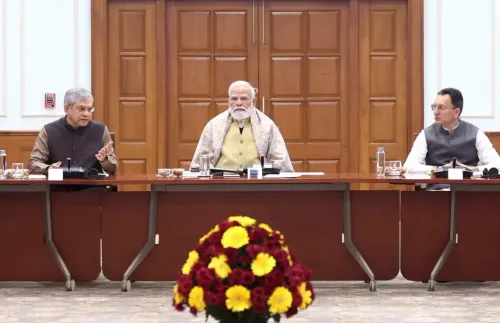
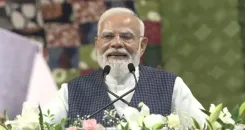
Prime Minister Narendra Modi on Tuesday, 6 October 2026, called for technology to serve as a driver of inclusive and sustainable development, asserting that the benefits of digital progress must reach every segment of society. The remarks came during a high-level interaction with the board of the Global System for Mobile Communications Association (GSMA) in New Delhi, held ahead of the India Mobile Congress.
Key Remarks from the PM
At the meeting, Modi stressed that the democratisation of technology is non-negotiable in an era where a widening digital divide threatens to exclude vulnerable populations from economic opportunity. He underlined that digital services must be both affordable and accessible — not just within India, but across nations in the Global South.
The Prime Minister placed particular emphasis on extending digital connectivity to the last mile, arguing that infrastructure without reach is infrastructure without purpose. He highlighted Digital Public Infrastructure (DPI) as a proven mechanism to accelerate socio-economic development at scale.
India's DPI Model as a Global Template
'Discussions with several world leaders have demonstrated growing global interest in India's DPI model,' Modi said, adding that such platforms 'could serve as a springboard for developing countries seeking to expand access to digital services and strengthen their economies.' This framing positions India's homegrown digital stack — built on systems like UPI, Aadhaar, and DigiLocker — as an exportable governance model, a pitch the Centre has been making consistently at multilateral forums.
Tackling Deepfakes, Cyber Fraud, and Emerging Tech Risks
Modi also flagged the growing menace of digital and cyber fraud, calling for technology-driven solutions and sustained user awareness campaigns. He proposed that citizens be equipped with tools and alerts to identify and avoid fraudulent calls and online scams. On the fast-evolving threat of deepfakes and AI-generated content, he called for the development of global standards and common rules governing emerging technologies, suggesting that mechanisms to verify the origin and authenticity of digital content need urgent exploration.
GSMA Board's Assessment of India
Members of the GSMA board praised India's pace of digital and mobile connectivity expansion. They cited the country's swift rollout of 4G and 5G networks, the scale of its digital public infrastructure initiatives, and the growth of its telecom and mobile manufacturing ecosystem as standout achievements. The appreciation comes as India consolidates its position as the world's second-largest mobile internet market.
Broader Context and What Comes Next
The interaction precedes the India Mobile Congress, one of Asia's largest technology and telecom events. Modi's remarks align with India's broader push to lead global conversations on digital governance, affordable connectivity, and AI regulation — themes that have featured prominently at G20, BRICS, and UN platforms in recent years. The call for international standards on deepfakes, in particular, signals that New Delhi is preparing a more assertive stance on AI governance frameworks ahead of upcoming multilateral engagements.
Point of View
But the call for international deepfake and AI-content standards is newer and more consequential. The world currently has no binding framework for AI-generated disinformation, and India pushing this at a GSMA meeting — rather than just a UN forum — suggests New Delhi is trying to shape the agenda through industry channels as well as diplomacy. The risk is that such calls remain rhetorical without India tabling a specific draft standard or coalition. On the digital divide argument, India's own last-mile connectivity record is mixed: rural 5G penetration lags urban centres sharply, which means the domestic credibility of the Global South pitch depends on closing that gap at home first.
NationPress
6 Oct 2026
Frequently Asked Questions
What did PM Modi say at the GSMA board meeting on 6 October 2026?
PM Modi told GSMA board members that technology must be a tool for inclusive and sustainable development, with digital services made affordable and accessible to all, particularly for Global South nations. He also called for global standards on deepfakes and AI-generated content, and highlighted India's Digital Public Infrastructure as a model for developing economies.
What is Digital Public Infrastructure (DPI) and why did Modi highlight it?
Digital Public Infrastructure refers to foundational digital systems — such as India's UPI payments network, Aadhaar identity platform, and DigiLocker — that enable governments and citizens to access services at scale. Modi described DPI as a 'springboard' for developing countries, noting that global leaders have expressed growing interest in replicating India's model.
Why did PM Modi call for global standards on deepfakes?
Modi flagged the increasing prevalence of deepfakes and AI-generated content as a risk that requires technology-driven solutions and common international rules. He suggested that users need mechanisms to immediately identify the origin and authenticity of digital content, a gap no binding global framework currently fills.
What did GSMA board members say about India?
GSMA board members praised India's rapid expansion of 4G and 5G networks, the scale and success of its digital public infrastructure initiatives, and the growth of its telecom and mobile manufacturing ecosystem during their interaction with the Prime Minister.
What is the India Mobile Congress and when is it held?
The India Mobile Congress is one of Asia's largest technology and telecommunications events, hosted annually in New Delhi. The 2026 edition follows closely after PM Modi's meeting with the GSMA board on 6 October.