Textile Research Associations told to focus on industry-driven, measurable R&D outcomes
Synopsis
India's Ministry of Textiles has put Textile Research Associations on notice: research must deliver measurable outcomes — patents, prototypes, commercial products — not just academic output. With a KPI framework, i-TRAMS monitoring, and industry involvement mandated from day one, this is a structural push to close the gap between textile R&D and factory-floor reality.
Key Takeaways
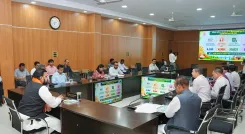
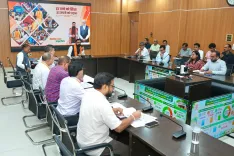
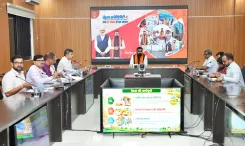
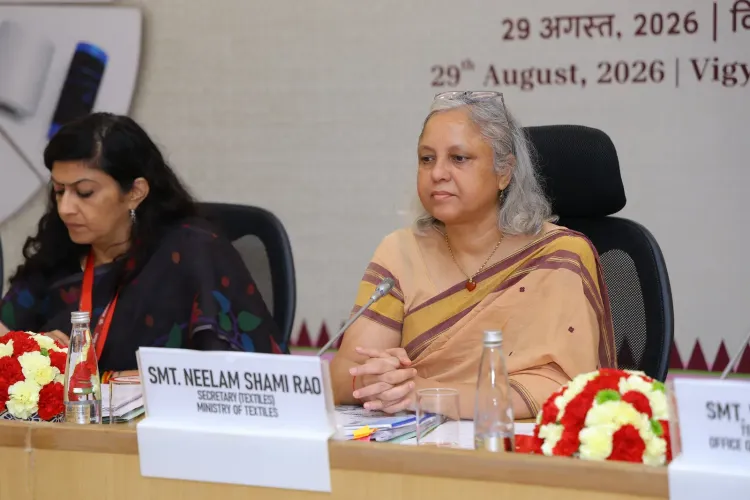
The Ministry of Textiles held the second Coordination Committee Meeting of TRAs at Vigyan Bhawan, New Delhi on 29 August .
TRAs directed to make research industry-driven, outcome-oriented and measurable , with focus on patents, prototypes, and commercialisation.
Industry participation mandated from the conceptualisation stage of all research projects.
A KPI-based performance evaluation framework to be established for accountability and resource utilisation.
The i-TRAMS portal to be used for monitoring, capability mapping, and linking industry needs to TRA expertise.
Five-Year Plans and Annual Action Plans for 2026–27 expected to provide a strategic roadmap for R&D, standardisation, and institutional collaboration.
The Ministry of Textiles on Saturday, 29 August directed Textile Research Associations (TRAs) to shift decisively toward industry-driven, outcome-oriented research — with measurable targets covering patents, prototypes, commercialisation, import substitution, and practical solutions for MSMEs. The directive emerged from the second Coordination Committee Meeting of Textile Research Associations, held at Vigyan Bhawan, New Delhi, chaired by Neelam Shami Rao, Secretary, Ministry of Textiles.
Key Directives from the Meeting
Officials emphasised that industry participation must begin at the conceptualisation stage of research — not after — to ensure relevance and real-world adoption of R&D outcomes. The meeting reviewed progress since the first Coordination Committee Meeting, covering initiatives such as the strengthening of equipment inventory and digital information through the i-TRAMS portal, constitution of sub-committees, identification of Centres of Excellence and New Age Fibres, and consultations on emerging areas of technical textiles.
Areas Under Focus
Deliberations covered a broad agenda: global benchmarking of Centres of Excellence, adoption of a structured Technology Readiness Assessment Framework, strengthening the startup and innovation ecosystem, development of a common e-library platform, mobilisation of external funding, and effective implementation of projects under the National Technical Textiles Mission. Membership growth, skill development, governance reforms, and performance evaluation were also on the table.
Strategic Roadmap and Performance Accountability
The Five-Year Plans and Annual Action Plans for 2026–27 of TRAs are expected to provide a clear strategic roadmap spanning R&D, technology development, testing and standardisation, capacity building, innovation, and institutional collaborations. The meeting underscored the need for a robust KPI-based performance evaluation framework, backed by reliable data and periodic review, to ensure accountability and timely achievement of measurable outcomes.
Role of i-TRAMS
Effective utilisation of the i-TRAMS portal was specifically highlighted for monitoring activities, sharing information, mapping research capabilities, and facilitating linkages between industry requirements and TRA expertise. The platform is positioned as a central coordination tool across TRAs nationwide.
What This Signals
The meeting marks the second such coordination exercise, indicating a structured, iterative approach to aligning TRA activities with national priorities. This comes amid broader government efforts to boost India's technical textiles sector — a segment identified as a high-growth area under the National Technical Textiles Mission. With MSMEs forming the backbone of India's textile industry, translating research into commercially viable, accessible solutions remains the sector's defining challenge going forward.
Point of View
But the credibility of this shift depends entirely on how those KPIs are defined and who audits them. Past coordination exercises in government-linked research bodies have produced frameworks that looked robust on paper but were rarely enforced. The real test will come when Annual Action Plans for 2026–27 are published — and whether TRA funding is genuinely contingent on measurable commercial outcomes rather than activity counts.
NationPress
14 Oct 2026
Frequently Asked Questions
What was decided at the Textile Research Associations Coordination Committee Meeting?
The meeting directed Textile Research Associations to adopt industry-driven, outcome-oriented research with measurable targets, including patents, prototypes, and commercialisation opportunities. It also mandated industry participation from the conceptualisation stage of research.
What is the i-TRAMS portal and why does it matter?
i-TRAMS is a digital platform used by Textile Research Associations for monitoring activities, sharing information, and mapping research capabilities. The meeting emphasised its effective use to facilitate linkages between industry requirements and TRA expertise.
What is the National Technical Textiles Mission and how does it relate to TRAs?
The National Technical Textiles Mission is a government programme aimed at developing India's technical textiles sector. TRAs are expected to implement projects under this mission, and the meeting reviewed progress on these efforts as part of the broader coordination exercise.
Who chaired the second Coordination Committee Meeting of TRAs?
The meeting was chaired by Neelam Shami Rao, Secretary, Ministry of Textiles, and was held at Vigyan Bhawan in New Delhi on 29 August.
What performance framework is being introduced for Textile Research Associations?
A KPI-based performance evaluation framework is being established, supported by reliable data and periodic review, to ensure accountability and timely achievement of measurable outcomes across TRAs.