How is UIDAI Strengthening India’s ID Tech Ecosystem with SITAA?
Synopsis
The UIDAI's new initiative, SITAA, aims to revolutionize India's digital identity framework by fostering collaboration among startups, academia, and industry. With applications open until November 15, this program promises to pave the way for cutting-edge identity technologies.
Key Takeaways
SITAA aims to enhance India's digital identity ecosystem.
Applications are open until November 15, 2023 .
The initiative encourages collaboration among startups, academia, and industry.
It focuses on innovative solutions for identity technology challenges.
Partnerships with MeitY Startup Hub and NASSCOM will provide support.
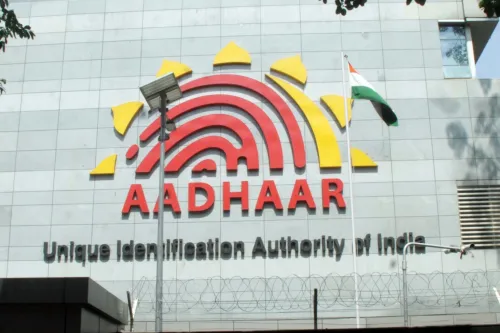
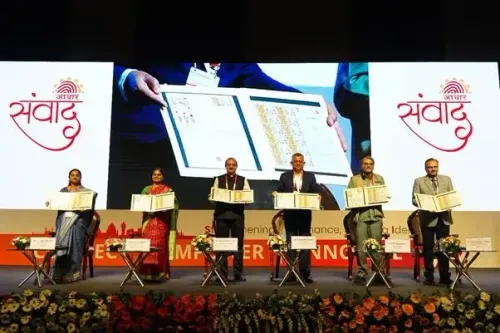
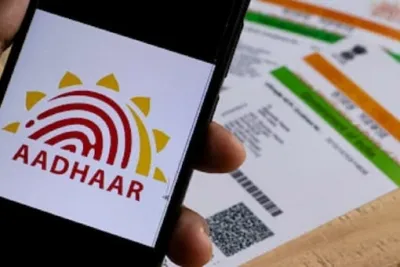
New Delhi, Oct 16 (NationPress) The Unique Identification Authority of India has initiated the Scheme for Innovation and Technology Association with Aadhaar (SITAA) to promote innovation and teamwork within the digital identity sector.
This scheme is designed to unite startups, academic institutions, and industry players in the digital identity arena, aimed at enhancing India’s ID technology ecosystem. Applications for the pilot phase of SITAA will be accepted until November 15, as stated by an official announcement.
The pilot will present several initial challenges specifically tailored for academic institutions, startups, and industry partners. All qualifying entities that can deliver innovative solutions are invited to participate in this program, according to the release.
This initiative aims to co-create secure, scalable, and homegrown identity technologies, encompassing biometric devices, authentication frameworks, data privacy, artificial intelligence, and secure identity applications.
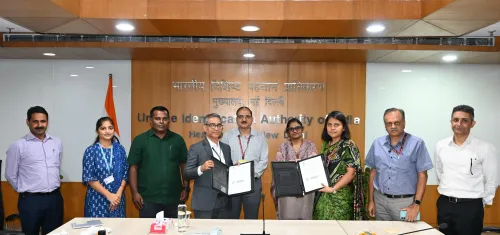
The MeitY Startup Hub and NASSCOM have formalized partnerships through MOUs with UIDAI to act as strategic allies. They will offer technical mentoring, incubation, accelerator support, industry connections, and global outreach for SITAA.
The SITAA program is in line with national objectives like Atmanirbhar Bharat and Digital Public Infrastructure, ensuring a continuous supply of secure, scalable, and future-ready identity solutions.
The pilot will address challenges associated with face liveness detection, presentation attack detection, and contactless fingerprint authentication.
The challenge regarding face liveness detection seeks startups to create Software Development Kits (SDKs) to avert spoofing from diverse sources, functioning within UIDAI’s enrollment and authentication systems, among other specifications.
Additionally, academic and research institutions are encouraged to propose advanced Presentation Attack Detection (PAD) solutions to enhance Aadhaar’s face-based authentication framework.
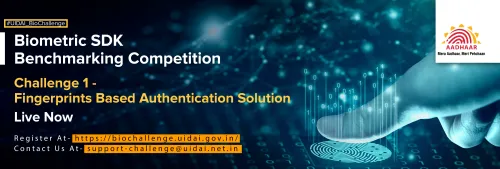
Proposals are also welcomed for developing SDKs aimed at contactless fingerprint authentication using standard smartphone cameras or low-cost imaging devices, as highlighted in the release.
Point of View
I emphasize that the SITAA initiative marks a significant step towards enhancing India's ID technology ecosystem. This collaborative approach aligns with national priorities, ensuring that the country remains a leader in secure digital identity solutions.
NationPress
13 Sept 2026
Frequently Asked Questions
What is the SITAA initiative?
SITAA stands for the Scheme for Innovation and Technology Association with Aadhaar, launched by UIDAI to promote innovation in the digital identity sector.
Who can apply for the SITAA pilot program?
Startups, academic institutions, and industry partners that meet eligibility criteria and offer innovative solutions can apply for the SITAA pilot program.
What challenges will the SITAA pilot address?
The pilot will focus on face liveness detection, presentation attack detection, and contactless fingerprint authentication.
When is the application deadline for SITAA?
The application deadline for the SITAA pilot program is November 15, 2023.
How will SITAA contribute to India's ID tech ecosystem?
SITAA aims to foster collaboration and innovation, leading to the development of secure, scalable, and indigenous identity technologies.