UPI goes live in Cambodia: NPCI ties up with ACLEDA Bank for cross-border payments
Synopsis
India's UPI just crossed another border. With Cambodia becoming the ninth country to accept UPI via a tie-up with ACLEDA Bank, Indian travellers can now pay at 4.5 million merchants by scanning Bakong's KHQR — and a two-way corridor is next. It's another step in India's quiet but steady export of digital public infrastructure across Southeast Asia.
Key Takeaways
NPCI International (NIPL) and ACLEDA Bank Plc. launched UPI acceptance in Cambodia on Wednesday .
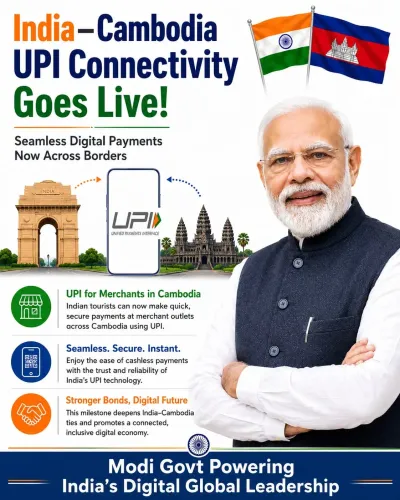
Indian travellers can now pay at over 4.5 million Cambodian merchants via Bakong's KHQR .
Cambodia is the 9th country to accept UPI, after Singapore, UAE, France, Mauritius, Nepal, Bhutan, Qatar and Sri Lanka.
A bi-directional corridor — allowing Cambodian users to scan UPI QR codes in India — is planned in the next phase.
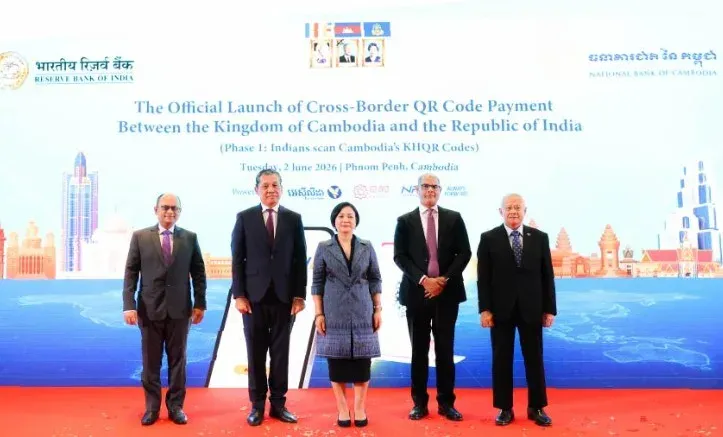
The launch was formalised in Phnom Penh in the presence of Chea Serey , Governor of the National Bank of Cambodia, and RBI officials.
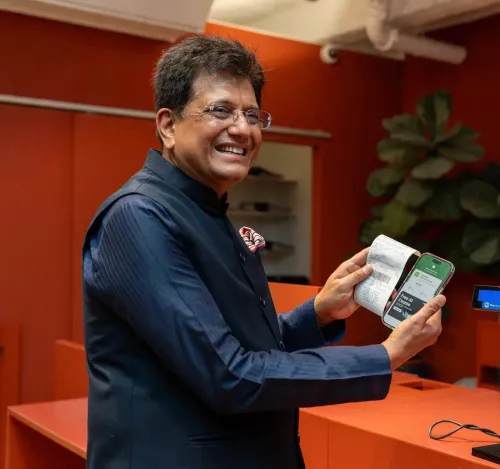
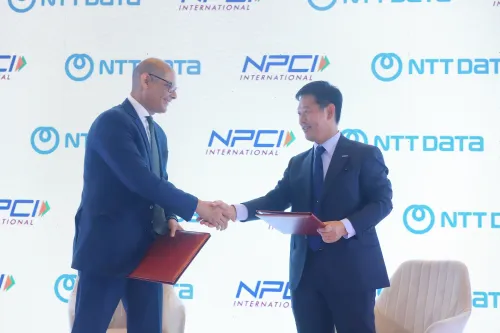
NPCI International Payments Limited (NIPL), the global arm of the National Payments Corporation of India, on Wednesday launched Unified Payments Interface (UPI) acceptance in Cambodia through a formal tie-up with ACLEDA Bank Plc., making it the ninth country to accept India's flagship digital payments rail. The rollout went live after a ceremony in Phnom Penh attended by Chea Serey, Governor of the National Bank of Cambodia, and senior officials from the Reserve Bank of India (RBI).
What the launch enables
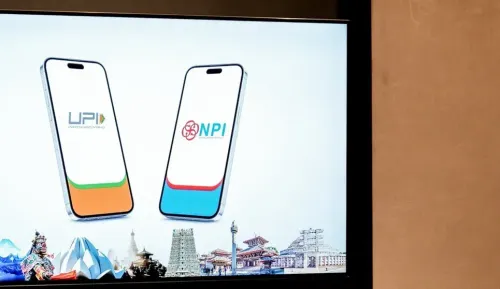
The activation completes Phase 1 of a cross-border QR payment corridor between India and Cambodia, linking UPI with Bakong's KHQR — Cambodia's national QR standard. In this first phase, Indian travellers can scan and pay at over 4.5 million Cambodian merchants using their existing UPI apps, removing the need for currency exchange or cash handling abroad.
A two-way corridor in the works
According to the official statement, the partnership is explicitly designed to scale into a fully bi-directional link in the next phase. Cambodian citizens visiting India will eventually be able to use their domestic banking and digital wallet apps to scan UPI QR codes across the country, creating an interoperable payments bridge anchored on KHQR.
Why it matters for merchants and travellers
For Indian visitors, the corridor removes the friction of foreign exchange fees and unfamiliar payment terminals. For Cambodian merchants — particularly small businesses in tourism-heavy zones like Siem Reap and Phnom Penh — it opens direct access to a large, digitally native Indian customer base. The statement noted that merchants will also benefit from lower cash-handling overheads and real-time settlement.
UPI's expanding global footprint
UPI is already accepted in eight countries — Singapore, the United Arab Emirates, France, Mauritius, Nepal, Bhutan, Qatar and Sri Lanka. Cambodia's addition takes the count to nine and deepens UPI's presence in Southeast Asia, a region India has been actively courting through digital public infrastructure diplomacy.
What's next
The next phase will operationalise outbound acceptance for Cambodian users in India, with timelines to be confirmed by both central banks. Industry watchers will be tracking transaction volumes in the initial months as a leading indicator of how quickly the corridor scales.
Point of View
UAE, now Cambodia — strengthens UPI's case as a global standard, especially in markets where Visa and Mastercard rails are expensive or under-penetrated. The real test, though, is bi-directional flow: most existing UPI corridors are still skewed toward outbound Indian travellers. Until Cambodian users are actively scanning UPI QRs in Delhi or Bengaluru, this remains a one-way bridge dressed up as interoperability.
NationPress
26 Sept 2026
Frequently Asked Questions
What does the NPCI–ACLEDA Bank partnership in Cambodia mean for Indian travellers?
It means Indian travellers visiting Cambodia can now use their existing UPI apps to pay at over 4.5 million Cambodian merchants by scanning Bakong's KHQR code. This removes the need for currency exchange, cash handling, or foreign card fees.
Is UPI a two-way payment system in Cambodia right now?
No, the current Phase 1 enables only inbound Indian travellers to pay in Cambodia. A bi-directional corridor — allowing Cambodian users to scan UPI QR codes in India — is planned in the next phase, with timelines to be confirmed by both central banks.
How many countries now accept UPI payments?
With Cambodia's addition, UPI is now accepted in nine countries. The others are Singapore, the United Arab Emirates, France, Mauritius, Nepal, Bhutan, Qatar and Sri Lanka.
What is Bakong's KHQR?
KHQR is Cambodia's national QR code standard, operated under the Bakong system run by the National Bank of Cambodia. The UPI–KHQR linkage allows interoperability between Indian UPI apps and Cambodia's merchant payment network.
Who attended the launch ceremony in Phnom Penh?
The launch ceremony was attended by Chea Serey, Governor of the National Bank of Cambodia, along with senior representatives from the Reserve Bank of India (RBI) and NPCI International Payments Limited.