US-Iran deal opens economic opportunities and risks for South Korea
Synopsis
The US-Iran ceasefire MOU is reshaping economic calculations in Seoul. South Korea's finance minister has flagged both reconstruction opportunities in the Middle East and the compounding pressure of new US tariffs — while the conflict's toll on jobs, prices, and currency markets hasn't yet lifted. Seoul's economic diplomacy is now being tested on two fronts simultaneously.
Key Takeaways
Finance Minister Koo Yun-cheol said the US-Iran MOU presents both opportunities and challenges for South Korea , speaking on 19 June .
Seoul plans to pursue reconstruction and fiscal-recovery cooperation with Middle Eastern nations as part of its post-conflict economic strategy.
The USTR has proposed tariffs of 10% or 12.5% on products from 60 trading partners, including South Korea , over alleged failures to enforce forced-labour import bans.
The government pledged to monitor Middle East developments and ensure safe passage of South Korean ships through the Strait of Hormuz .
Conflict-linked pressures — slowing employment , consumer price hikes , and forex volatility — continue to affect the South Korean economy.
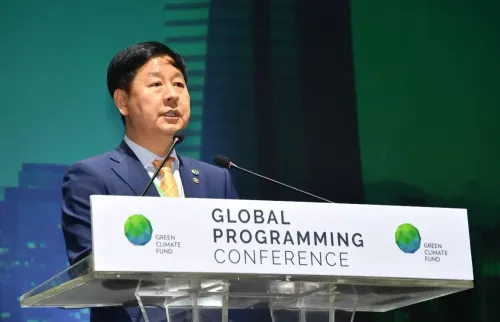
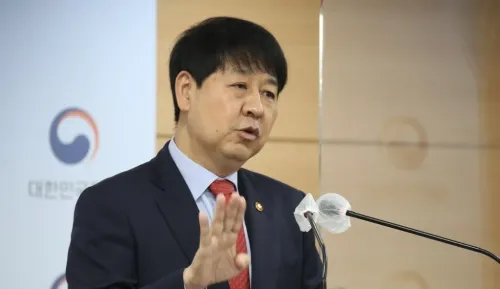
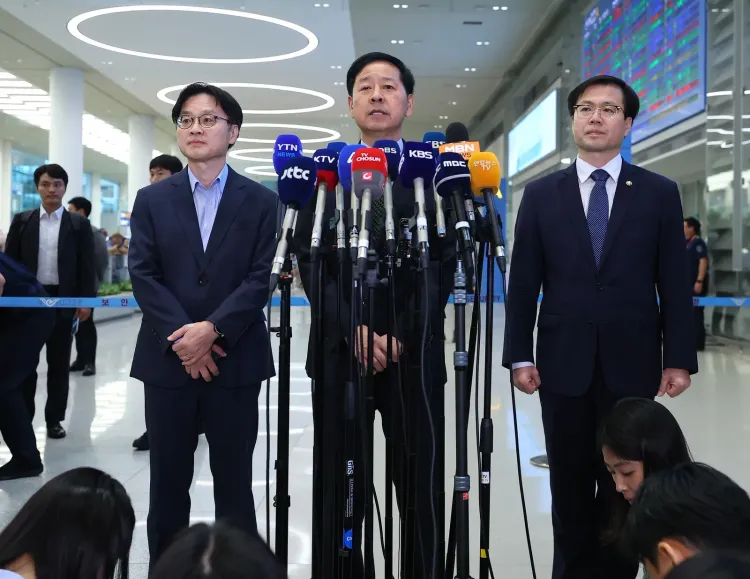
South Korea's Finance Minister Koo Yun-cheol on Friday, 19 June said the memorandum of understanding (MOU) signed between Washington and Tehran to end their conflict opens both fresh economic opportunities and significant challenges for Seoul. Speaking at a ministerial meeting on international economic affairs, Koo confirmed the government would move swiftly to implement post-conflict economic policies.
Seoul's Strategic Response to the US-Iran MOU
Minister Koo outlined a dual-track approach: securing long-term cooperation with Middle Eastern nations on reconstruction and fiscal recovery, while simultaneously reinforcing South Korea's economic security and supply chain resilience. 'We will aim to secure areas of cooperation with Middle Eastern nations on reconstruction and improving their fiscal health,' Koo said. 'We will address risks in the global supply chain highlighted by the recent conflict.'
This comes amid a broader recalibration of South Korean foreign economic policy, as Seoul attempts to position itself as a key partner in any post-conflict rebuilding effort in the region.
US Tariff Pressure Adds to Seoul's Burden
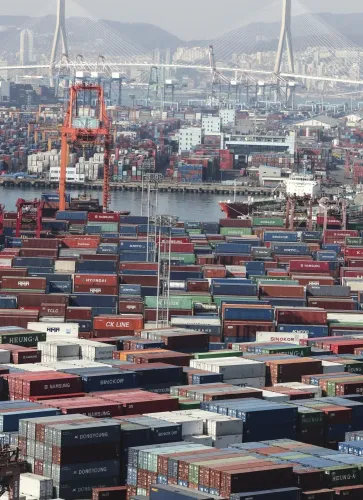
Separately, Minister Koo addressed proposed US tariffs targeting 60 trading partners — including South Korea, Asia's fourth-largest economy — over alleged failures to enforce import bans on goods produced with forced labour. The Office of the US Trade Representative (USTR) has proposed levies of 10% or 12.5% on products from the affected nations.
Koo said Seoul would take a proactive stance in bilateral trade negotiations. 'By thoroughly addressing overall trade-related agendas with the US, we will make efforts to ensure South Korean companies are not placed at a disadvantage,' he said. The minister signalled a preference for a balanced resolution that serves both countries' interests, rather than a confrontational posture.
Strait of Hormuz and Shipping Security
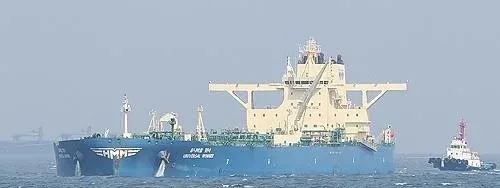
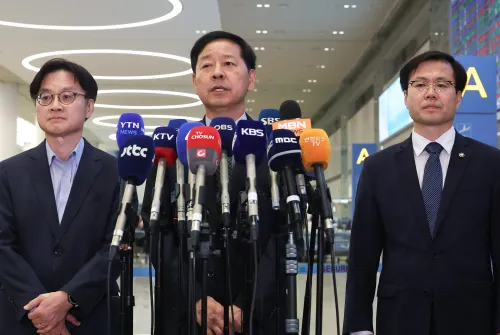
At a separate economy-related meeting, Koo acknowledged that while external uncertainties appear to be easing following the US-Iran MOU, the economic fallout from the conflict continues to weigh on South Korea. The government pledged to closely monitor developments in the Middle East and to support the safe and timely passage of South Korean vessels through the Strait of Hormuz — a critical chokepoint for global energy and trade flows.
Impact on Jobs, Prices and Financial Markets
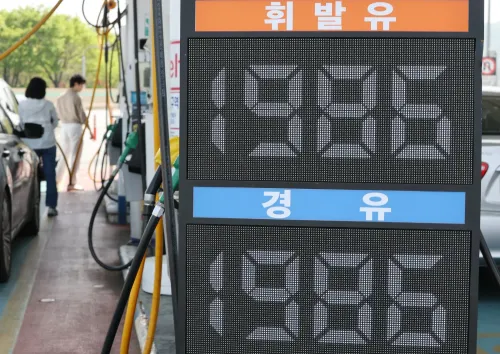
Koo highlighted that the conflict's economic ripple effects — including slowing employment, consumer price hikes, and volatility in foreign exchange markets and key interest rates — continue to linger. 'The government will spare no effort to ease the burden on people's livelihoods,' he said. Notably, South Korea is among the economies most exposed to Middle East energy disruptions given its heavy reliance on Gulf crude imports.
What Comes Next
Seoul is expected to engage actively with both US trade officials and Middle Eastern partners in the coming weeks as the post-conflict economic landscape takes shape. The government's ability to convert the MOU into tangible reconstruction contracts — while managing US tariff pressure — will be the key test of its economic diplomacy in the second half of 2025.
Point of View
And a US trade regime that is simultaneously offering reconstruction business and threatening tariff penalties. Minister Koo's language is carefully diplomatic, but the underlying tension is real — Seoul cannot afford to alienate Washington on tariffs while also needing US backing to win reconstruction contracts in a post-Iran-conflict Middle East. The forced-labour tariff proposal is particularly pointed: it frames a trade lever as a human-rights mechanism, giving Washington maximum negotiating leverage. How Seoul manages both tracks in the coming weeks will signal whether its economic diplomacy is truly proactive or merely reactive.
NationPress
20 Sept 2026
Frequently Asked Questions
What is the US-Iran MOU and why does it matter for South Korea?
The US-Iran memorandum of understanding (MOU) is an agreement aimed at ending the conflict between Washington and Tehran. For South Korea, it creates potential reconstruction and economic cooperation opportunities in the Middle East, while the conflict's lingering effects on jobs, prices, and financial markets continue to pose domestic challenges.
What tariffs is the US proposing on South Korea?
The Office of the US Trade Representative (USTR) has proposed tariffs of 10% or 12.5% on products from 60 trading partners, including South Korea, over alleged failures to enforce import bans on goods made with forced labour. Seoul has said it will make proactive efforts to seek a balanced resolution.
How is the Middle East conflict affecting the South Korean economy?
According to Finance Minister Koo Yun-cheol, the conflict has contributed to slowing employment, consumer price increases, and volatility in South Korea's foreign exchange market and key interest rates. The government has pledged to spare no effort in easing the burden on citizens' livelihoods.
What is South Korea doing to secure its shipping through the Strait of Hormuz?
The South Korean government has committed to closely monitoring developments in the Middle East and to supporting the safe and prompt passage of South Korean vessels through the Strait of Hormuz, a critical route for energy imports.
What is South Korea's post-conflict economic strategy?
Seoul plans to pursue long-term cooperation with Middle Eastern nations on reconstruction and fiscal recovery, strengthen economic security, and enhance supply chain resilience. The government also aims to ensure South Korean companies are not disadvantaged by the proposed US tariffs on forced-labour-linked goods.