USTR Greer: No immediate chip tariffs, but semiconductor protection a priority
Synopsis
The US Trade Representative has confirmed no immediate chip tariffs are on the way — but the emphasis on 'right timing and right amount' signals these levies are a matter of when, not if. With the Trump administration pursuing country-by-country semiconductor deals and South Korea's chipmakers watching nervously, the global chip trade order is entering a delicate negotiating phase.
Key Takeaways
USTR Jamieson Greer confirmed on 23 May that no immediate semiconductor tariffs are forthcoming.
Greer spoke at Micron Technology's chip plant expansion outside Washington , stressing the importance of 'right timing and right amount' for any future levies.
Sectoral tariffs on chip imports may follow a national security review under Section 232 of the Trade Expansion Act of 1962 .
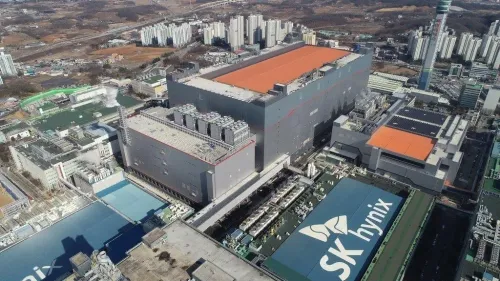
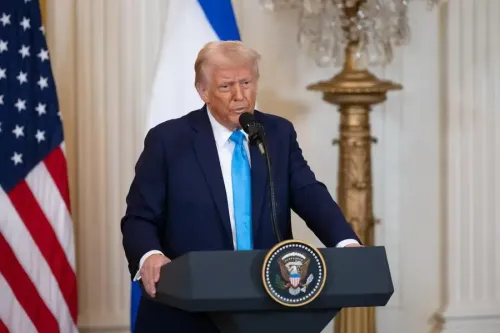
President Trump had earlier threatened tariffs of around 100 percent on semiconductors, keeping Samsung Electronics and SK Hynix on alert.
The US is pursuing separate bilateral semiconductor tariff agreements with individual countries, following a deal with Taiwan .
South Korea was previously assured of tariff rates 'no less favourable' than those offered to comparable chip trade partners.
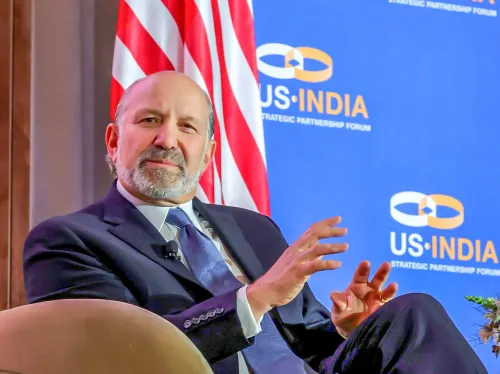
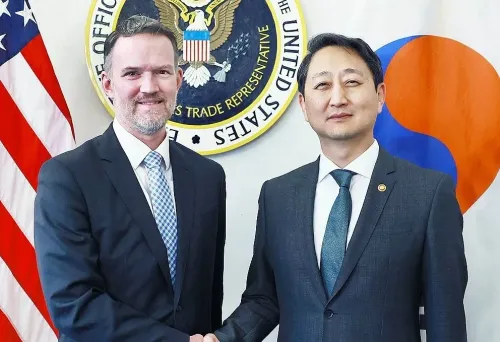
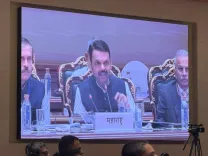
US Trade Representative Jamieson Greer has indicated that no immediate tariffs on semiconductors are forthcoming, even as he stressed the strategic necessity of shielding America's chip industry from foreign competition. Greer made the remarks at Micron Technology's memory chip plant expansion project outside Washington on 23 May, according to reports.
What Greer Said
Speaking at the Micron facility, Greer reportedly addressed the prospect of sectoral duties on chip imports that could follow national security investigations under Section 232 of the Trade Expansion Act of 1962. He underlined that while tariff protection for the semiconductor sector is important, timing and calibration are equally critical.
'So, having tariffs on semiconductors is really important. What's even more important than having protection for facilities like this, is making sure we do it on the right timing and in the right amount,' Greer was quoted as saying. He added: 'There was not an immediate tariff coming.'
Background: Trump's Tariff Threats and South Korea's Exposure
The remarks come against the backdrop of President Donald Trump's earlier threat to impose tariffs of around 100 percent on semiconductors — a move that has kept South Korean chip giants Samsung Electronics and SK Hynix on edge as they monitor Washington's evolving trade posture.
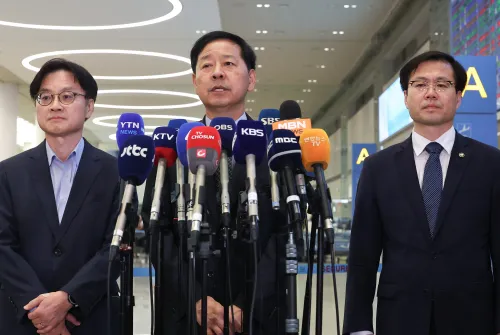
A joint fact sheet from last year's trade and security discussions between Seoul and Washington had included a US commitment to offer semiconductor tariff rates 'no less favourable' than those extended to any partner with chip trade volumes comparable to South Korea's. That assurance now sits in an uncertain policy environment.
Separate Deals for Separate Countries
Earlier this year, the Trump administration signalled it would pursue individual semiconductor tariff agreements with different countries, rather than applying a uniform framework. This came after the United States and Taiwan reached a bilateral deal on chip levies, details of which were outlined in a US Commerce Department fact sheet.
'Separate agreements for separate countries,' a US official said in response to a question about whether the Taiwan deal would set a precedent for other nations. The statement confirmed that countries such as South Korea would need to negotiate their own terms independently.
What This Means for the Global Chip Industry
Greer's comments suggest that while the Trump administration remains committed to using tariffs as a tool for industrial policy in semiconductors, it is proceeding cautiously — wary of disrupting supply chains that underpin both US and allied manufacturing. The Section 232 investigation, if it concludes with tariff recommendations, could reshape global chip trade flows significantly.
With bilateral negotiations now the stated model, chipmakers and governments across Asia — from South Korea to Japan and Taiwan — will be watching closely for signals on the pace and terms of any eventual levies. The next phase of US semiconductor trade policy is likely to be shaped as much by diplomatic negotiations as by domestic industrial strategy.
Point of View
Not a reprieve. The Section 232 process is designed to produce tariff recommendations, and the administration has already signalled its intent — 100 percent was floated, bilateral deals are being cut. What is actually happening is sequencing: Washington is using the threat of tariffs as leverage to extract country-by-country concessions, with Taiwan already signed and South Korea next in line. The risk for Seoul is that its 'no less favourable' assurance, written into a joint fact sheet, carries no binding legal weight if Washington decides a new bilateral framework supersedes it. The chip industry should read 'not immediate' as 'not yet'.
NationPress
9 Oct 2026
Frequently Asked Questions
What did US Trade Representative Jamieson Greer say about semiconductor tariffs?
Greer said there was 'not an immediate tariff coming' on semiconductors, even as he emphasised the importance of protecting America's chip sector. He made the remarks at Micron Technology's plant expansion outside Washington on 23 May, reportedly in reference to potential sectoral duties under a Section 232 national security investigation.
What is Section 232 and how does it relate to chip tariffs?
Section 232 of the Trade Expansion Act of 1962 allows the US president to impose tariffs on imports that are deemed a threat to national security. The Trump administration has been conducting a Section 232 investigation into semiconductor imports, which could result in new levies on chips from countries including South Korea and Taiwan.
How are Samsung and SK Hynix affected by US chip tariff policy?
South Korean chipmakers Samsung Electronics and SK Hynix have been closely monitoring US tariff developments given their significant exposure to the American market. A previous US-South Korea joint fact sheet included a US commitment to offer Seoul tariff rates no less favourable than those given to comparable chip trade partners, though the terms of any final deal remain under negotiation.
What is the US approach to semiconductor tariff agreements with different countries?
The Trump administration has stated it will pursue separate bilateral semiconductor tariff agreements with individual countries rather than a single global framework. This approach was confirmed after the US and Taiwan reached a bilateral chip tariff deal, with a US official stating 'separate agreements for separate countries' in response to questions about whether the Taiwan deal would set a universal standard.
What has President Trump previously said about semiconductor tariffs?
President Trump threatened in August to impose tariffs of around 100 percent on semiconductors, a signal that the administration views chip imports as a strategic and economic vulnerability. Greer's latest remarks suggest the administration is proceeding cautiously on timing rather than abandoning the tariff option.